Why settle for the temporary camouflage of fillers when your own biology can be precision-engineered to restore its youthful architecture? If you’ve spent hours researching the endless array of radiofrequency and laser devices, you’re likely familiar with the paralysis of choice. You want visible lifting and firming, but the fear of wasting resources on underwhelming results or, worse, an unnatural surgical appearance is a valid concern. Effective non-surgical skin tightening is not a matter of luck; it’s a biological reset that requires a sophisticated understanding of dermal performance and cellular health.
We agree that the current aesthetic landscape is cluttered with confusing claims and unregulated operators. This guide is designed to cut through the noise, offering you the medical science behind advanced energy-based therapies and how to choose physician-led technologies for lasting structural integrity. You’ll discover the latest 2026 FDA guidance on body contouring, the rise of regenerative collagen biostimulators, and how integrative protocols can achieve natural-looking rejuvenation with minimal downtime. By the end of this article, you’ll have the clinical clarity needed to navigate your path toward skin that looks and functions at its absolute best.
Key Takeaways
- Grasp the biological mechanisms of collagen and elastin depletion to understand how controlled thermal stimuli trigger meaningful dermal remodeling.
- Evaluate the clinical capabilities of advanced non-surgical skin tightening technologies, such as Fractional RF Microneedling, for achieving deep-tissue structural integrity.
- Use a professional framework to select the ideal treatment modality based on your specific grade of skin laxity and desired recovery timeline.
- Learn how an integrative approach, incorporating IV hydration and nutritional optimization, creates the ideal systemic environment for lasting collagen synthesis.
- Understand the critical role of physician-led care in ensuring the precision, safety, and natural-looking results that only a Board Certified specialist can provide.
Understanding the Science of Dermal Laxity and Collagen Depletion
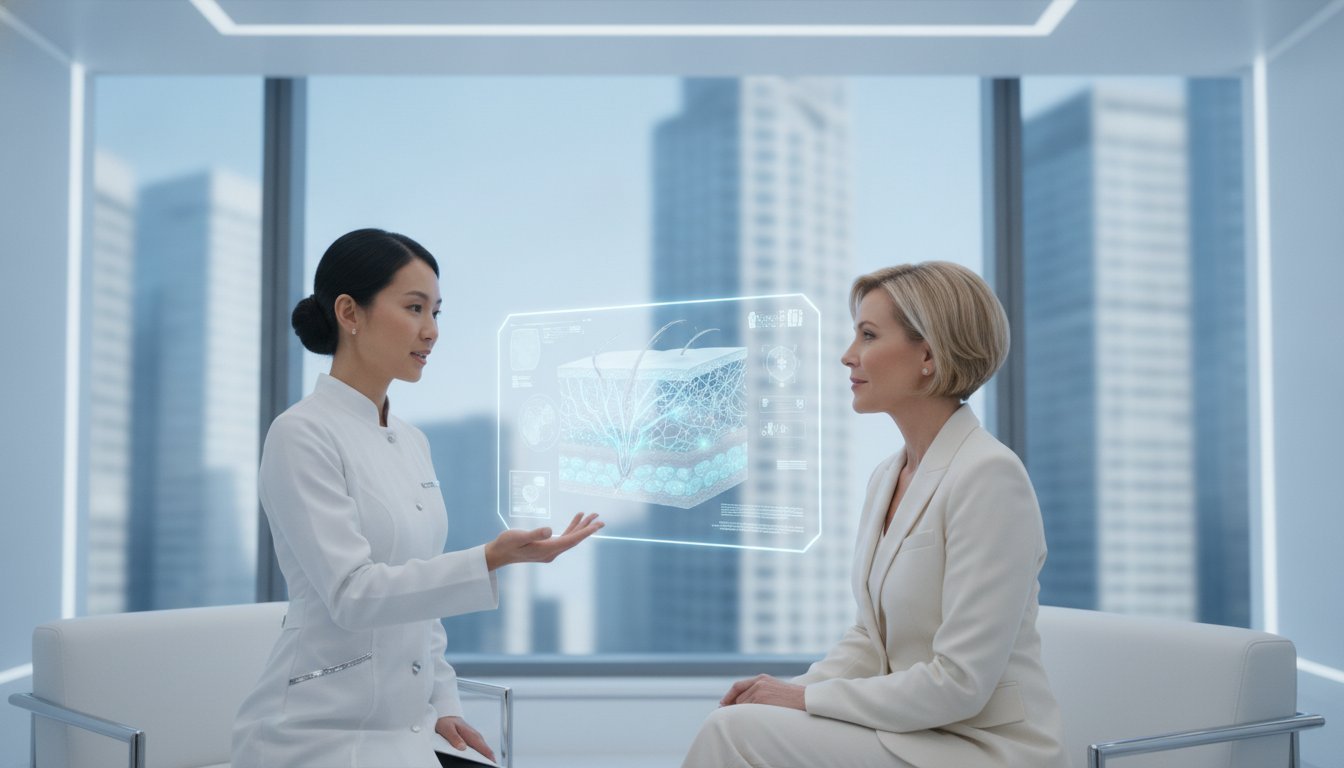
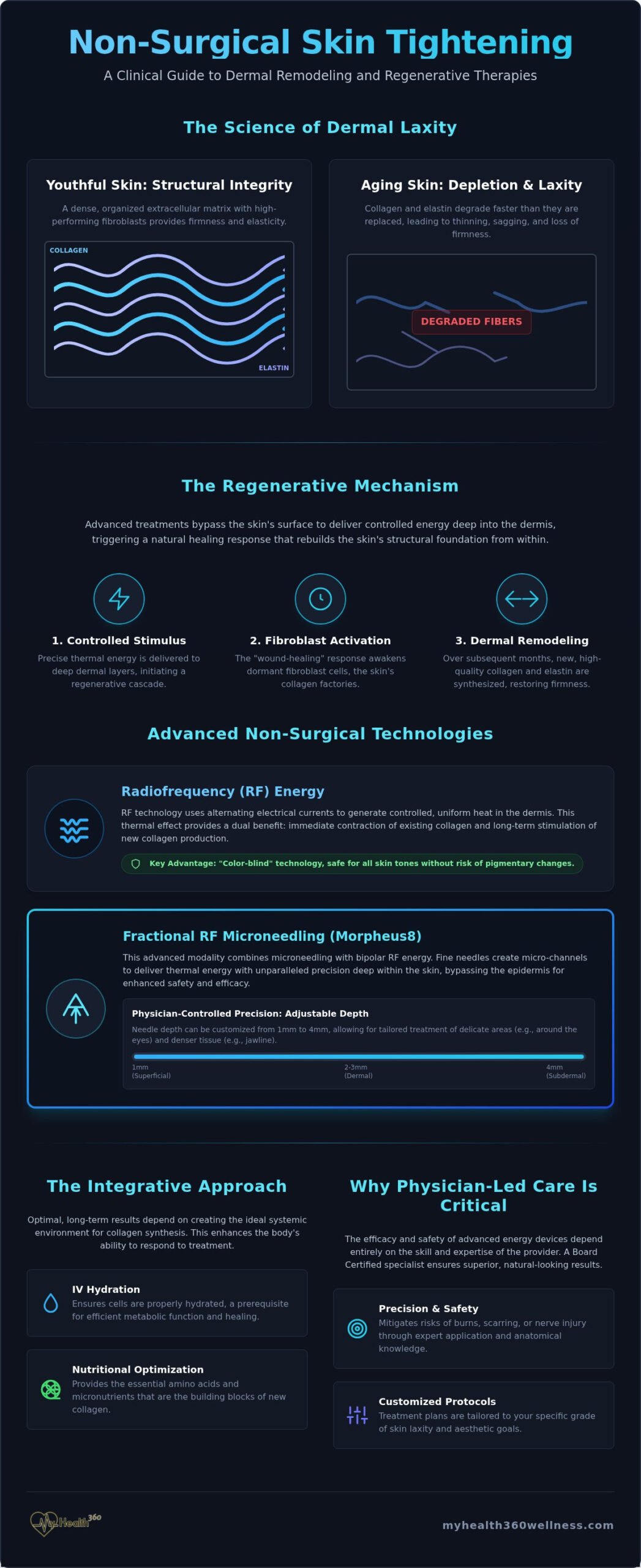
How does the skin lose its ability to snap back? To understand effective non-surgical skin tightening, one must first look beneath the surface at the extracellular matrix. This intricate network is primarily composed of collagen, which provides structural scaffolding, and elastin, which allows for essential elasticity. Dermal laxity occurs when these proteins degrade faster than the body can replace them. This process is often accelerated by “inflammaging,” a state of chronic, low-grade inflammation caused by environmental stressors and biological aging. Maintaining dermal structural integrity is now recognized as a critical longevity metric, reflecting both aesthetic health and functional resilience.
We define non-surgical skin tightening as a controlled thermal or mechanical stimulus designed to trigger the body’s natural regenerative cycles. It isn’t merely a cosmetic adjustment. Instead, it is a biological intervention that targets the underlying causes of sagging skin. By applying precise energy to the deep dermal layers, we can reverse the trajectory of depletion and restore the skin’s youthful performance.
The Role of Fibroblasts in Skin Performance
Fibroblasts serve as the primary engine for skin rejuvenation. These specialized cells are responsible for synthesizing the components of the extracellular matrix. Over time, fibroblast activity wanes, leading to the thinning and sagging we associate with age. Modern medical technologies, such as Radio-frequency (RF) energy, deliver a controlled thermal stimulus to the deeper layers of the skin. This energy effectively “wakes up” dormant fibroblasts, triggering a wound-healing response without an actual wound. It’s a delicate balance; while temporary inflammation occurs immediately after treatment, the true value lies in the subsequent months of long-term remodeling and new collagen deposition.
Why Surface-Level Creams Often Fail to Tighten Skin
The primary reason topical solutions struggle to produce visible lifting is the skin’s natural barrier function. Most cosmetic-grade ingredients possess a molecular weight too high to penetrate the epidermis and reach the dermis. While a high-quality moisturizer can improve surface hydration and texture, it can’t reorganize the underlying structural fibers. For patients looking to optimize their skin’s surface health, professional-grade products from Global Beauty offer specialized anti-aging support that works in tandem with clinical interventions. Medical-grade technologies bypass this barrier. By delivering energy directly to the dermal layer, these treatments achieve the depth required for structural change. There is a fundamental difference between a product that sits on the surface and a physician-led technology that fundamentally alters the skin’s architecture.
Advanced Technologies: Radiofrequency, Microneedling, and PDO Threads
How do we move from simple surface treatments to deep-tissue remodeling? The answer lies in the synergy of energy and mechanical intervention. At the core of modern non-surgical skin tightening is Radiofrequency (RF) energy. This technology works by delivering alternating currents that generate controlled heat in the dermal layer. This thermal effect causes the immediate contraction of existing collagen fibers while initiating a longer-term wound-healing response. Unlike many laser therapies, RF is “color-blind,” meaning it can be used safely across all skin tones without the risk of pigmentary changes.
Fractional RF Microneedling takes this a step further by delivering energy through specialized needles. This allows us to bypass the skin’s surface and deposit heat exactly where structural remodeling is required. However, clinical oversight is paramount. An FDA safety communication on RF microneedling emphasizes that these devices must be used by trained professionals to mitigate risks such as scarring or nerve injury. When performed by a physician, these technologies offer a level of precision that surface-level treatments cannot match.
The Precision of Morpheus8 Fractional Technology
Morpheus8 represents a significant leap in fractional technology by combining deep microneedling with bipolar RF energy. Its distinguishing feature is the ability to adjust needle depth, ranging from 1mm to 4mm, which allows for a highly customized approach. A physician can target delicate areas like the periorbital region or denser tissue on the abdomen with the same platform. This depth control ensures that energy reaches the fibroseptal network, the connective tissue that provides the skin’s primary support. For a detailed exploration of this protocol, you can read our guide on Mastering Skin Rejuvenation: The Comprehensive Guide to Morpheus8 Treatment in 2026.
Mechanical Lifting with Advanced PDO Threads
Polydioxanone (PDO) is a biodegradable polymer that has been used safely in cardiothoracic surgery for decades. In the context of non-surgical skin tightening, PDO threads offer a dual-action benefit. First, they provide an immediate mechanical lift by physically repositioning the skin. Second, as the threads dissolve over several months, they stimulate “neocollagenesis,” creating a supportive matrix of new collagen. This biological response ensures that the lifting effect remains long after the thread itself has been absorbed. You can learn more about this procedure in our article on Advanced Skin Lifting with PDO Threads: The Physician-Led Guide to Non-Surgical Rejuvenation.
Beyond these dermal interventions, technologies like High-Intensity Focused Electromagnetic (HIFEM) energy in platforms like Emsculpt Neo provide foundational support. By increasing underlying muscle tone, the skin is draped over a firmer, more contoured base, which naturally reduces the appearance of laxity. At My Health 360, we view these technologies as part of a comprehensive non-surgical aesthetic strategy designed to optimize both form and function.
Comparing Non-Surgical Modalities: Which Treatment Is Right for You?
How does a patient determine the most effective path toward rejuvenation? Choosing the right non-surgical skin tightening modality requires a systematic assessment of skin laxity grade and anatomical focus. We categorize laxity into three primary stages to guide clinical decision-making. Mild laxity (Grade 1) often responds best to preventative energy-based therapies that maintain current collagen density. Moderate laxity (Grade 2) typically necessitates “stacked” treatments, where we combine mechanical lifting with thermal remodeling. For significant laxity (Grade 3), the focus shifts toward deeper structural support, often utilizing PDO threads to provide the mechanical tension that energy devices alone cannot achieve.
The decision-making process also involves weighing the variables of downtime, result onset, and longevity. While Morpheus8 provides deep dermal remodeling with approximately two to three days of social downtime, the full results emerge over three to six months as new collagen matures. In contrast, PDO Thread Lifts offer an immediate mechanical repositioning of the tissue, though the biological benefits of neocollagenesis continue to develop for several months. When these modalities are used synergistically, we can address complex concerns such as jowls and neck laxity more effectively than with a single-device approach.
RF Microneedling vs. Traditional Laser Resurfacing
Why do we frequently prioritize Radiofrequency (RF) over traditional laser resurfacing for structural tightening? The distinction lies in the depth of penetration and the safety profile across different skin tones. Traditional lasers primarily target the chromophores in the epidermis, which can lead to longer recovery times and a higher risk of post-inflammatory hyperpigmentation, especially in patients with darker skin. RF energy is “color-blind,” allowing it to bypass the pigment-producing cells and deliver heat directly to the dermis. This fractional delivery means that only a portion of the skin is treated at once, leaving surrounding tissue intact to accelerate the healing process and minimize risks.
Body Contouring and Skin Tightening Synergy
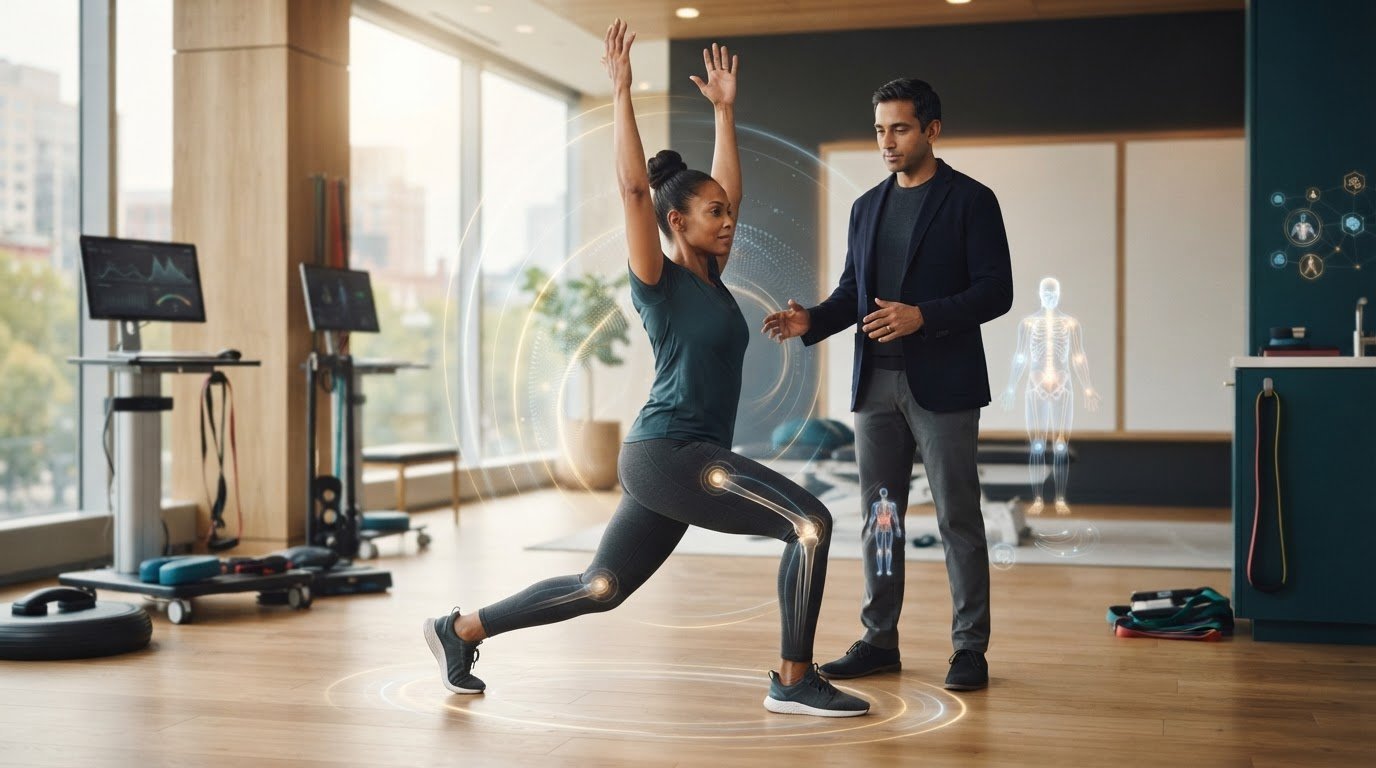
Addressing skin laxity on the body, particularly the abdomen or thighs, requires a multifaceted strategy that considers the underlying muscle structure. We often observe that skin appears more taut when it is draped over well-defined muscle. By utilizing HIFEM technology, we can build the foundational muscle mass that supports the skin’s appearance from within. For larger surface areas, we combine this with Morpheus8 Body to target both deep adipose tissue and dermal laxity. This integrative approach ensures that we aren’t just tightening the skin, but optimizing the entire anatomical region for better performance. You can explore these combined protocols in our guide to Emsculpt Neo: The Physician-Led Guide to Body Contouring and Performance in 2026.
The Integrative Approach to Long-Term Skin Performance
Can we expect optimal dermal remodeling if the body lacks the raw materials to build new tissue? At My Health 360, we argue that non-surgical skin tightening is not an isolated cosmetic event but a reflection of your overall systemic performance. For a technology like Morpheus8 to be effective, the body must be in a state of high biological readiness. This means addressing the internal environment before the first pulse of energy is ever delivered. When the systemic environment is optimized, the skin’s capacity for collagen synthesis increases, leading to more profound and lasting structural integrity.
Our BioPrime program is specifically designed for this pre-treatment optimization. By utilizing whole-body habilitation techniques, we ensure that your cellular health is at its peak. This approach mirrors the rigorous preparation seen in high-performance athletics or pre-operative medical care. We don’t just treat the surface; we prepare the entire organism to respond to the regenerative stimulus of aesthetic technology.
Optimizing the Internal Environment for Collagen
The dermal matrix requires a steady supply of specific micronutrients to flourish. Amino acids like proline and glycine, alongside high-dose Vitamin C, are the essential building blocks of the collagen triple helix. Without these, even the most advanced non-surgical skin tightening devices will produce suboptimal results. We integrate targeted IV hydration and nutritional protocols to ensure these substrates are bioavailable at the time of treatment. This level of concierge medical oversight allows us to personalize your care based on your unique metabolic profile. You can learn more about this philosophy in our article on Integrative Medicine for Longevity: A Physician’s Guide.
Bio-Restore: Enhancing Recovery and Results
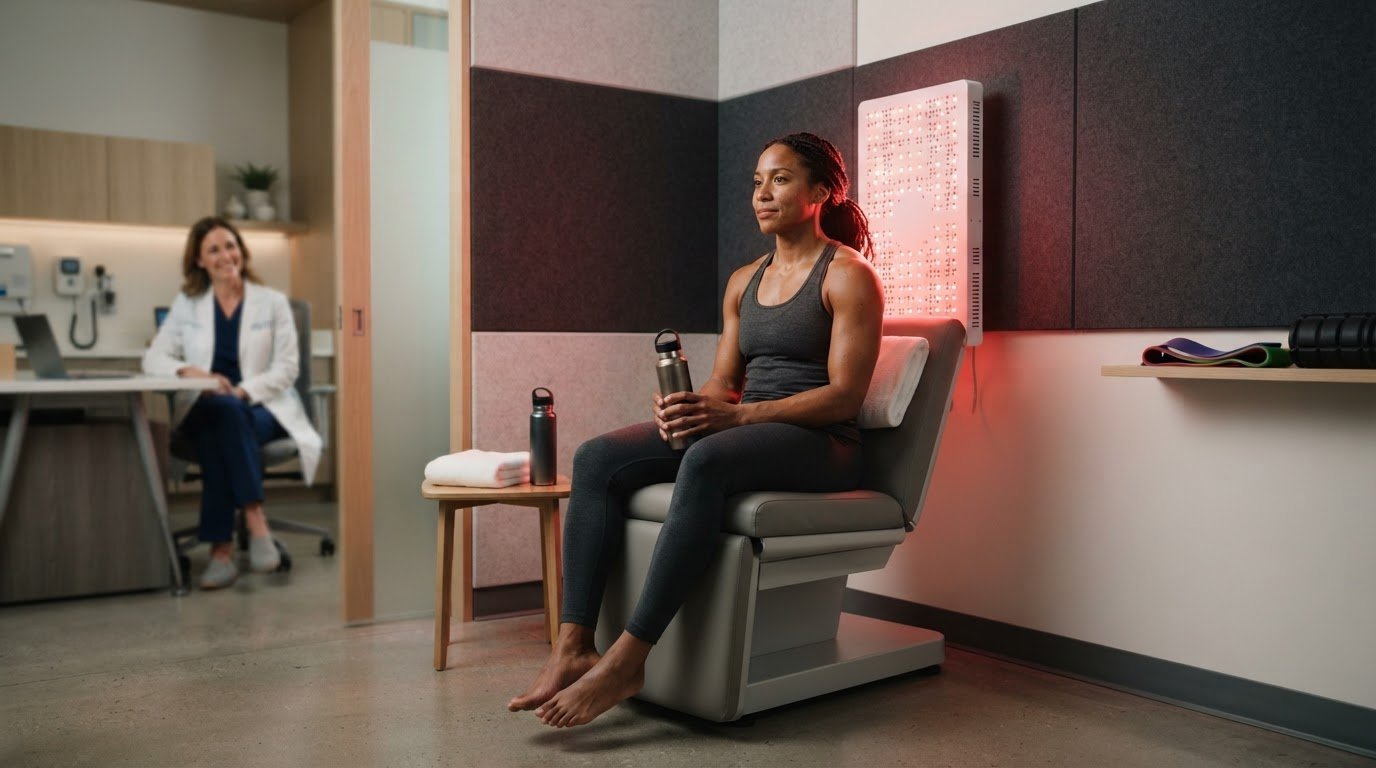
The work doesn’t end once you leave the treatment room. Our Bio-Restore program applies post-operative recovery principles to the world of non-surgical aesthetics. We utilize whole-body red light therapy and Low-Level Laser Therapy (LLLT) to modulate post-treatment inflammation and accelerate cellular repair. This doesn’t just reduce downtime; it enhances the quality of the new tissue being formed. By treating the body as a holistic system, we move beyond simple “fixes” toward true longevity and performance. For a deeper look at these protocols, read our Physician-Led Guide to Whole Body Habilitation.
Achieving a naturally rejuvenated appearance requires more than just a device; it requires a comprehensive medical strategy. If you’re ready to experience a higher standard of care, we invite you to explore our integrative aesthetic services and discover how physician-led protocols redefine what is possible in skin performance.
Why Physician-Led Aesthetic Care Redefines Non-Surgical Results
Why does the designation of the practitioner matter in a field so heavily defined by technology? The clinical reality is that the efficacy of non-surgical skin tightening is inextricably linked to the expertise of the person operating the device. While many facilities offer these treatments as transactional services, a physician-led center approaches aesthetic intervention through the lens of internal medicine. This means your treatment plan isn’t based on a generic protocol. Instead, it’s built on an intricate understanding of your unique physiology, hormonal balance, and systemic health. A Board Certified Internal Medicine specialist brings a level of diagnostic rigor that ensures every procedure is both safe and anatomically precise.
The concierge model at My Health 360 represents a departure from the high-volume, impersonal nature of traditional med spas. We prioritize a non-transactional relationship where your long-term vitality is the primary objective. This holistic perspective allows us to identify systemic factors that might hinder your results, such as nutritional deficiencies or chronic inflammation. By positioning ourselves as your partners in performance, we ensure that your aesthetic goals are achieved in harmony with your overall health and longevity.
The Expertise of Dr. Umbrine Fatima
Dr. Umbrine Fatima applies the same clinical rigor to a Morpheus8 treatment that she would to a complex medical case. This patient-first philosophy is rooted in organizational integrity; we only recommend interventions that align with your biological needs and aesthetic desires. By integrating a holistic internal medicine perspective into every beauty treatment, we address the root causes of aging rather than just the symptoms. It’s a disciplined, detail-oriented approach that balances technical precision with an appreciation for the art of natural-looking results. This emphasis on medical excellence is shared by other specialized providers, such as Aspire MedSpa & Beauty Bar, who prioritize clinical safety and clear patient communication regarding aesthetic options. We don’t just provide a service; we offer a guided journey toward optimized health.
Achieving lasting dermal health requires a roadmap, not a one-time fix. In 2026, we view non-surgical skin tightening as a core component of a broader longevity plan. This involves periodic maintenance sessions to sustain collagen density and the continued use of supportive therapies like red light and IV nutrition. Setting realistic expectations is a hallmark of our practice. We empower you with the knowledge to maintain your results for years to come, ensuring your skin continues to look and function at its best. If you’re ready to move beyond temporary fixes and invest in your long-term dermal structural integrity, we invite you to schedule a consultation with My Health 360.
Elevating Your Dermal Architecture for the Future
True aesthetic rejuvenation is an ongoing evolution of your body’s biological performance. We’ve explored how a sophisticated understanding of fibroblast activation and dermal structural integrity can transform your results. By combining advanced technologies like Morpheus8 and PDO threads with a systemic, integrative framework, you move beyond surface-level fixes. This physician-led approach ensures that your journey toward non-surgical skin tightening is grounded in clinical precision and medical safety. It’s about more than just looking younger; it’s about optimizing how your skin functions at a cellular level.
As an Integrative Performance Center, My Health 360 provides a level of care that traditional med spas cannot match. Our practice is physician-owned and operated under Board Certified Internal Medicine leadership, ensuring every protocol is tailored to your unique metabolic profile. We invite you to take the next step in your longevity journey by partnering with an expert who views beauty through a holistic medical lens. Experience Physician-Led Aesthetic Excellence—Consult My Health 360. Your path to lasting vitality and natural-looking results begins with a commitment to medical excellence.
Frequently Asked Questions
Is non-surgical skin tightening painful?
Most patients experience mild to moderate discomfort, but we manage this through topical anesthetics and advanced cooling technologies. The sensation is often described as a brief, intense warmth or a series of prickles. Because we prioritize patient comfort, we can adjust the energy levels of devices like Morpheus8 to match your tolerance. Our physician-led approach ensures that pain management is a central component of every procedure, allowing for a tolerable and safe experience.
How long do the results of a non-surgical skin lift last?
Results typically last between one and three years, depending on the specific modality used and your biological response. While a PDO thread lift provides an immediate mechanical lift, the long-term benefits come from the new collagen your body produces over several months. To maintain the structural integrity of the dermis, we recommend periodic maintenance sessions and adherence to a systemic longevity plan. This proactive approach helps sustain the firming effects against the natural aging process.
What is the best age to start non-surgical skin tightening?
There is no single “best” age, but many patients begin preventative treatments in their late 20s or early 30s to address early signs of collagen loss. This concept, often called “prejuvenation,” focuses on maintaining dermal density before significant laxity occurs. Patients in their 40s and 50s often seek these procedures to correct existing sagging and restore youthful contours. We assess your unique skin quality rather than chronological age to determine the most appropriate intervention.
Can I combine Morpheus8 with PDO threads in the same session?
Yes, combining these treatments is a common strategy for achieving synergistic results. While Morpheus8 focuses on deep thermal remodeling of the tissue, PDO threads provide immediate mechanical tension and support. This “stacked” approach addresses multiple layers of the skin simultaneously. However, the sequence and timing must be precisely managed by a physician to ensure optimal healing and safety. We customize these multi-modality protocols based on your specific anatomical needs and recovery goals.
How many sessions of non-surgical skin tightening will I need?
Most patients achieve optimal results through a series of three to four sessions, typically spaced four to six weeks apart. While some improvement may be visible after a single treatment, the cumulative effect of multiple sessions is necessary for significant non-surgical skin tightening and remodeling. Your specific plan depends on the degree of laxity and your body’s ability to synthesize new collagen. We provide a clear roadmap during your initial consultation to ensure expectations are met.
What is the recovery time for advanced RF microneedling?
Social downtime for advanced RF microneedling like Morpheus8 is generally minimal, lasting between two and four days. You may experience temporary redness, swelling, or minor bruising immediately following the procedure. Most patients return to their normal skincare and makeup routines within 48 to 72 hours. We utilize Bio-Restore protocols, such as red light therapy, to accelerate the healing process and modulate inflammation. This systematic approach ensures you can return to your daily life quickly.
Will insurance cover non-surgical skin tightening procedures?
Insurance providers generally do not cover non-surgical skin tightening because these procedures are categorized as elective aesthetic treatments. They are performed to improve appearance rather than to treat a functional medical condition. We recommend contacting your insurance carrier directly if you have questions regarding your specific policy coverage. Our team provides detailed documentation and transparent information to help you plan for your investment in your long-term dermal health and performance.
How do I know if I am a better candidate for surgery or non-surgical options?
The choice depends on the severity of skin laxity and your desired outcome. Non-surgical options are ideal for patients with mild to moderate sagging who prefer natural-looking results with minimal downtime. If you have significant skin redundancy or severe jowling, a surgical intervention may be more appropriate to achieve your goals. During a comprehensive evaluation, we analyze your dermal architecture and overall health to determine which path offers the best balance of safety and efficacy.