Morpheus8 hand rejuvenation doesn’t necessarily involve the same downtime as facial treatment. After treatment on the hands, redness and mild sensitivity may last two to five days, while swelling and irritation generally settle within a week. Recovery varies with the treatment plan and your skin’s response.
It’s understandable to want clearer, smoother-looking hands without a long interruption to daily life. Morpheus8 uses microneedles to deliver radiofrequency energy into the skin, with the aim of improving skin quality over time; it doesn’t restore volume lost beneath the skin.
Here, you’ll learn what changes may develop and when, what recovery can involve, who may need to avoid treatment, and how Morpheus8 may fit alongside hand fillers. This will help you understand what the procedure can address and what to consider when deciding whether it aligns with your goals.
Key Takeaways
- A typical hand treatment course involves two to three sessions, usually spaced four to six weeks apart.
- Changes in firmness, texture, and overall skin quality can develop gradually over the following two to three months.
- Morpheus8 may support skin quality and collagen, while hand fillers address volume loss beneath the skin.
- Small flaky scabs may appear within 72 hours, so factor this possibility into your recovery plans.
- Contact My Health 360 to arrange a Meet and Greet with Medical Director Dr. Fatima and discuss whether the procedure is a good option for you.
Who Cannot Undergo the Morpheus8 Treatment?
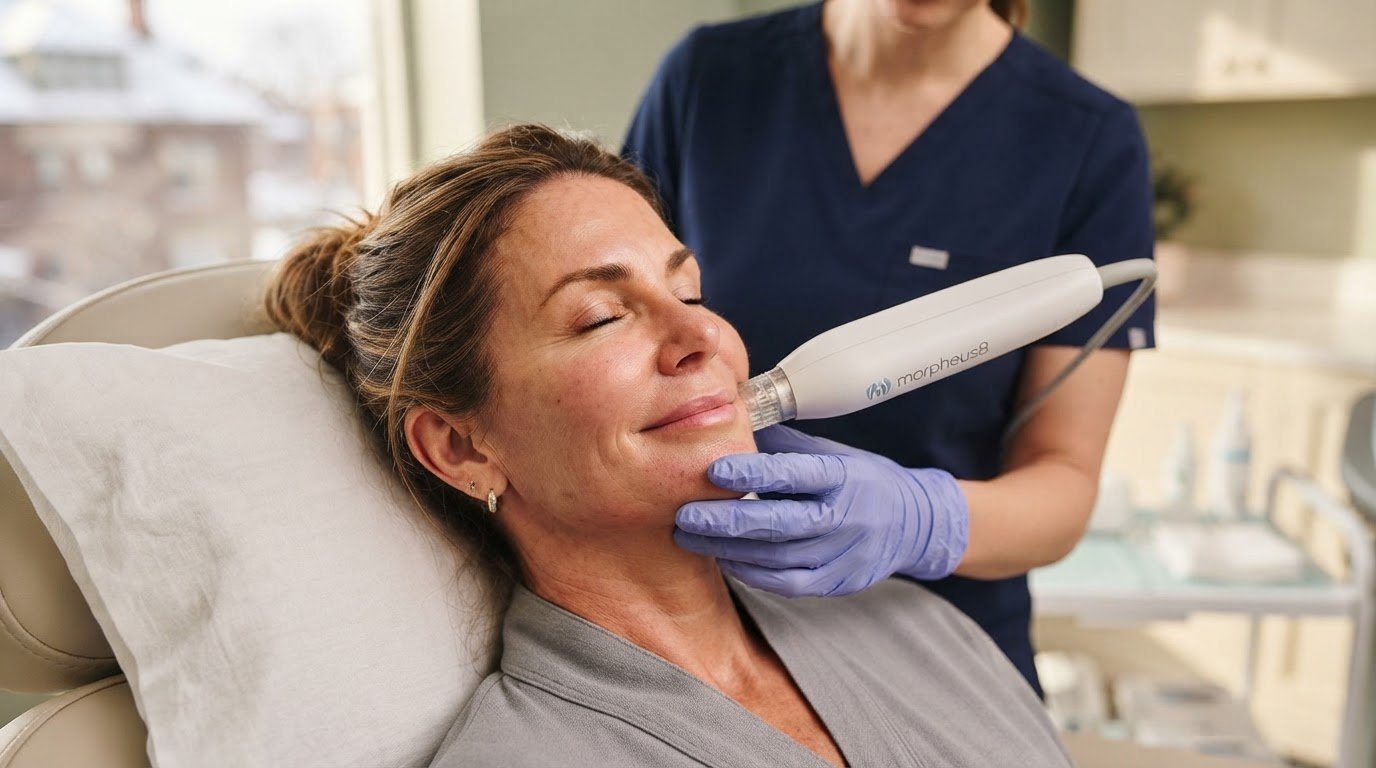
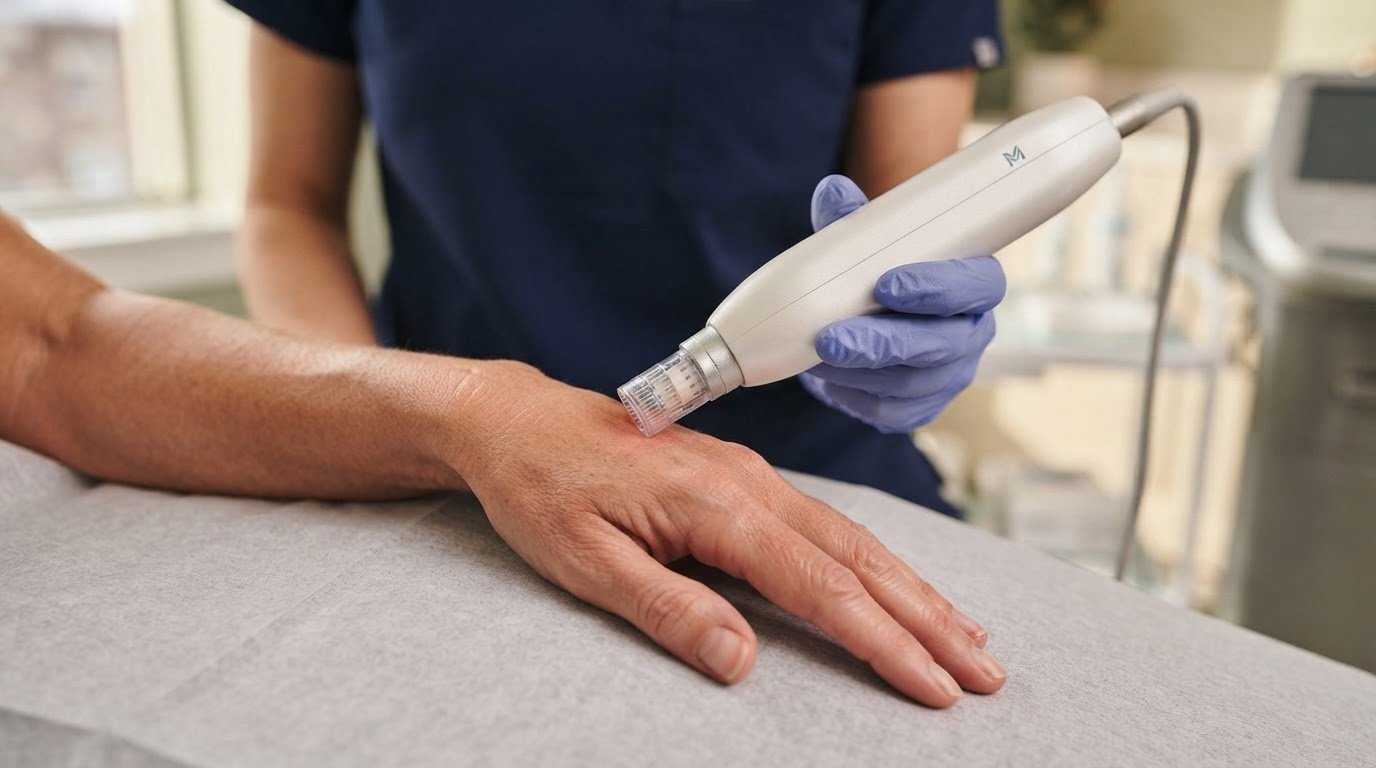
Morpheus8 combines microneedling with radiofrequency energy. Fine needles enter the skin at a controlled depth, delivering energy into the treated area. The procedure creates targeted stimulation within the skin rather than simply applying heat to its surface. For hands, the intended focus is skin quality, including firmness and texture.
The device can target tissue at three levels: superficial, intermediate, and deep. The selected depth depends on the treatment area and the skin concern being addressed. This matters because hand skin differs from facial skin in thickness and contour. A treatment plan should account for those features instead of using one setting across every area.
For the hands, treatment commonly takes 15 to 25 minutes after numbing has been applied. The full appointment can take longer because numbing and preparation happen beforehand. Across treated areas, procedure time ranges from 15 minutes to an hour. The area being treated and the plan for it influence the total time.
Who should avoid treatment? Someone may not be a suitable candidate if a clinician identifies a safety concern involving the treatment area, healing, or medical history. The assessment should cover relevant health conditions, medications, skin concerns, and previous procedures. These details help determine whether treatment should proceed, be postponed, or be avoided.
For example, a skin concern on the hands may affect the timing or suitability of microneedling. A health factor that could affect healing also warrants review before radiofrequency energy is delivered. There is no answer that fits everyone: the reason for treatment, hand skin, and medical history all inform the decision.
How do you choose a qualified provider for Morpheus8 hand treatment? Choose a trained medical professional who assesses the hands, explains the planned depth and treatment approach, and reviews relevant health history before proceeding. They should also explain expected recovery and how the plan responds to your skin concerns.
What is the average cost of Morpheus8 hand treatment in the United States? The price depends on the case and is provided after a quote request; the treated area, treatment plan, and number of sessions are relevant cost factors.
A typical hand treatment course consists of two to three sessions, spaced four to six weeks apart. This schedule allows the skin to respond between appointments and gives the clinician a chance to reassess the plan. If a health or skin concern makes treatment unsuitable, the course should wait until that concern has been evaluated.
Results and Recovery: What to Expect?
Hand results develop gradually, while redness and sensitivity are temporary parts of recovery. The timeline below can help you plan sessions and daily activities.
Visible Results Timeline
Visible results emerge over time rather than appearing immediately. Some patients notice changes within one week, and smoother-looking skin may develop over the following few weeks. Results can become visible from three to six weeks, with further changes over three to six months. This gradual timeline helps set realistic expectations.
New collagen develops within three weeks, so the skin’s response continues after the appointment. Results may become fully visible after three months. These milestones describe when changes may appear, not how long they last. Facial results do not provide a dependable timetable for hands, because each treated area has its own recovery.
Treatment Sessions and Spacing
A typical hand treatment course consists of two to three sessions, spaced four to six weeks apart. This interval gives the skin time to respond before the next appointment and creates opportunities to assess visible changes and adjust the approach to the treated area.
The number of sessions matters when planning around work, events, or other commitments. For example, if you are considering treatment before a special occasion, account for both the treatment course and the gradual results timeline. The final result does not appear immediately after the last visit.
Preparation and Recovery
Preparation means reviewing the skin and following pre-treatment guidance; recovery includes short-term redness, sensitivity, or swelling. According to Beauty Med, patients should avoid NSAIDs, fish oil, vitamin E, ginseng, and ginkgo biloba for 10-14 days before treatment. It also advises avoiding sun exposure for two weeks, glycolic acid and retinol on the hands for one week, and smoking and alcohol for two days beforehand.
After treatment, redness and mild sensitivity may last two to five days. Small flaky scabs may appear within 72 hours, while swelling and skin irritation generally settle after one week. South Miami OB-GYN Associates recommends allowing 24-48 hours to heal after each treatment. These timelines help patients plan, though visible skin changes continue beyond early recovery.
The hands may look temporarily red or feel sensitive, so avoid scheduling treatment immediately before an important event. A treatment appointment for hands typically takes 15 to 25 minutes after numbing has been applied. Preparation and numbing add time to the overall visit. Plan around the treated area’s early recovery, rather than assuming hand downtime matches a facial procedure.
Arrange a Meet and Greet appointment with Medical Director Dr. Fatima to discuss whether this treatment suits your goals and schedule.
Can I combine Morpheus8 on my hands with hand fillers?
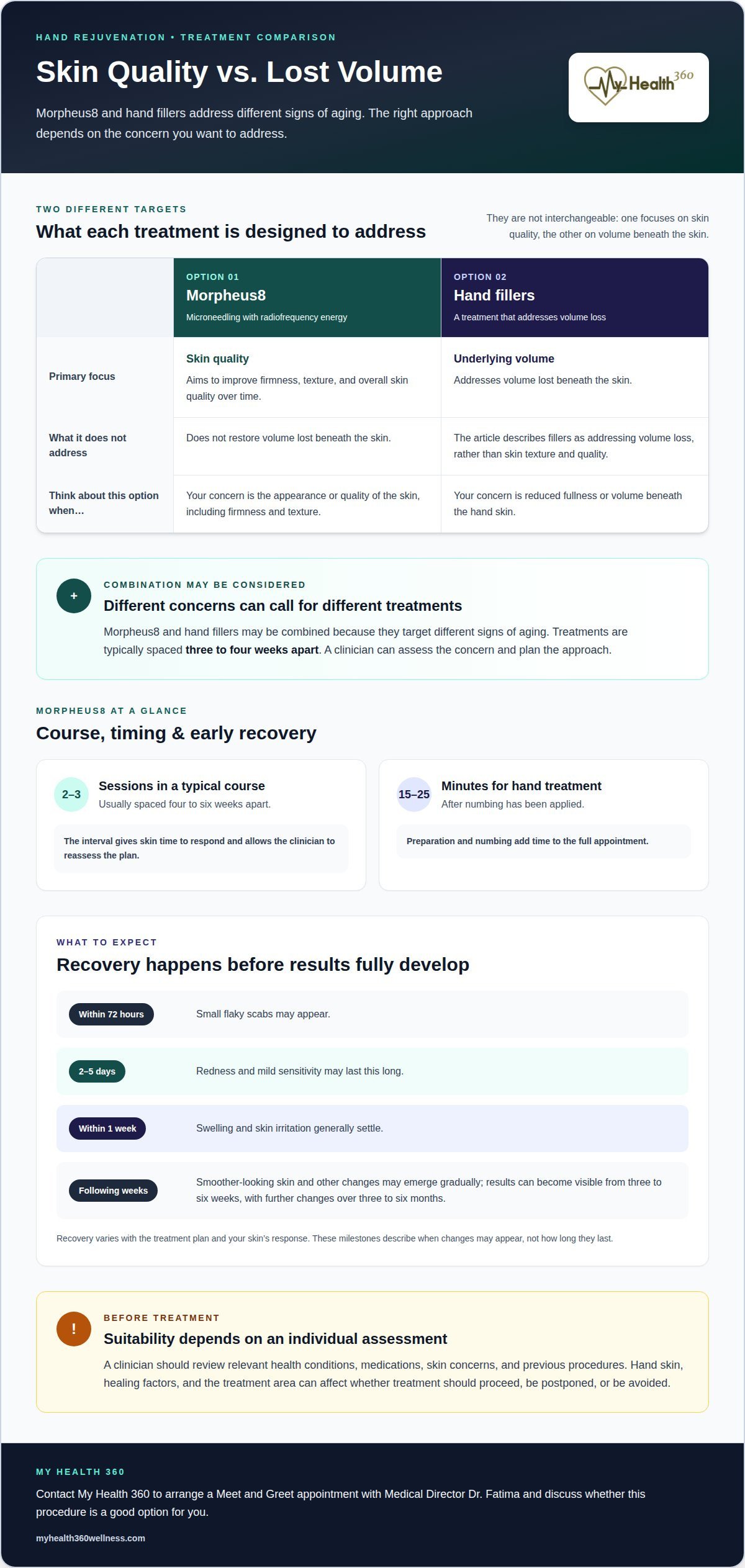
Yes, Morpheus8 and hand fillers can address different signs of aging, with treatments typically spaced three to four weeks apart. Morpheus8 focuses on skin quality and collagen stimulation; fillers address volume lost beneath the skin. The distinction matters: choosing based on the concern helps set expectations for texture, thickness, and contour rather than treating them as interchangeable.
Morpheus8 delivers radiofrequency energy through microneedles at controlled depths. On the hands, collagen development may modestly improve the apparent thickness of the skin. This supports a change in the skin’s dermal structure, not replacement of lost volume. For example, a person concerned about crepey texture and prominent veins may need to distinguish skin quality from underlying volume when discussing options.
Fillers and Morpheus8 can therefore be considered for separate goals within a broader plan. If the main concern is reduced volume, Morpheus8 alone cannot restore the tissue beneath the skin. If the concern is surface texture or firmness, collagen-focused treatment addresses a different aspect. Combining approaches should account for treatment timing, the areas being treated, and the desired balance between skin quality and hand contour.
Collagen is central to the expected tissue response, with firmness, texture, and overall skin quality developing over the following two to three months. This is a gradual process, not an immediate increase in hand volume. Collagen is the supported focus of the skin-remodeling effect; an increase in elastin should not be treated as a promised outcome. This distinction helps keep expectations aligned with the treatment’s stated purpose.
How does Morpheus8 compare with IPL, laser resurfacing, fillers, and chemical peels? Morpheus8 targets skin quality through microneedling and radiofrequency, while fillers address lost volume; IPL, laser resurfacing, and peels are different modalities. The appropriate comparison depends on whether texture, mild pigmentation changes, firmness, or volume is the primary concern, rather than assuming the methods produce identical effects.
What hand concerns can Morpheus8 treat? It can address skin quality concerns such as texture and firmness, and it may improve mild pigmentation changes as skin cell renewal increases. It cannot replace volume beneath the skin. Identifying whether the concern is surface appearance or contour is a useful first step in a treatment discussion.
For combination planning, allow three to four weeks between Morpheus8 and hand filler treatments. The interval gives the clinician a defined sequence to consider, while the separate treatment goals clarify what each procedure is intended to address. Discuss the condition of the hand skin, the degree of volume loss, and desired changes before deciding whether a combined approach fits.
Skin tightening and texture improvement
Morpheus8 uses microneedling to deliver radiofrequency energy into a controlled depth of the skin. For hand skin, the intended focus is improved firmness, texture, and overall quality. These changes develop gradually over the next 2-3 months, rather than appearing as an immediate tightening effect. That timeline helps distinguish the treatment’s progressive skin response from a quick surface change.
The device can target tissue at three levels: superficial, intermediate, and deep. The selected level shapes where radiofrequency energy is applied within the treated area. For example, a plan addressing uneven texture may differ from one focused on skin firmness. Treatment depth is a clinical choice based on the hands and the concern being addressed, not a setting that should be assumed identical for every person.
Skin texture describes how the surface looks and feels, while firmness relates to how well the skin appears to hold its shape. A person may notice roughness or mild pigmentation changes without seeking a volume change. Morpheus8 may improve mild pigmentation as skin cell renewal increases. These concerns can overlap, so identifying the primary goal helps frame what improvement means for that individual.
Radiofrequency microneedling delivers energy in a controlled way, rather than heating only the skin’s surface. Fine needles reach the selected tissue depth while transmitting radiofrequency energy. This combination is intended to stimulate a remodeling response, including collagen development. For patients curious about how regenerative medicine approaches support natural healing and tissue repair, sikoramedical.com offers insight into therapies such as PRP and exosome treatments. For hand skin, the aim is gradual improvement in quality and firmness, not a promise of complete tightening or a change in underlying hand volume.
The next 2-3 months are relevant when assessing changes in texture and firmness. Looking at the skin immediately after an appointment won’t show the full progression. A useful comparison focuses on the same area and the same concerns, such as surface texture across the back of the hand. This keeps attention on the treatment goals instead of expecting every sign of aging to change at once.
Hand skin has visible contours and varies naturally across the treated area. A clinician can plan energy delivery around these differences, selecting depth and coverage to match the concern. For example, improving overall texture may call for a different focus than addressing one area of uneven tone. Hands should be treated as a distinct area, not simply like facial skin.
Expect a gradual process: radiofrequency energy is applied through microneedles, then skin quality changes develop over the following 2-3 months. Morpheus8 may support firmer-looking, smoother skin, while concerns involving lost volume require a different treatment approach. Defining the desired change before treatment helps keep the plan focused on texture, firmness, or tone, rather than combining unrelated goals.
Contraindications
Before radiofrequency microneedling, the clinician assesses whether treatment is appropriate for the person and their hand skin. This review matters because microneedles enter the skin and deliver energy into tissue. A concern involving the treatment area, healing, or medical history can change the plan or rule out treatment.
Start with the hands themselves. Irritated or injured skin, or skin affected by a current concern, needs assessment before needles pass through it. For example, a recent cut or area of marked irritation differs from intact skin being treated for texture. The clinician examines the intended area and determines whether treatment should proceed, be delayed, or be avoided there.
Medical history also informs the decision. Share relevant health conditions, medicines, previous procedures, and any history of healing difficulties. These details help the clinician assess whether microneedling and radiofrequency energy suit your circumstances. Reviewing medications is especially useful if a medicine could affect skin healing or the response to treatment.
Prior reactions also deserve discussion. If an earlier skin procedure caused an unexpected response, describe what happened and which area was treated. That example gives the clinician context for planning depth and energy delivery. Morpheus8 can target tissue at superficial, intermediate, and deep levels, so treatment parameters should reflect the hands being assessed.
Some concerns call for postponing treatment rather than ruling it out permanently. An active skin issue, for example, can be reassessed after it resolves. Proceeding over affected skin is different from scheduling treatment once the area is suitable. The clinician should explain what is affecting the timing and what needs reassessment.
Expectations are part of candidacy, too. Morpheus8 focuses on skin quality, including firmness and texture. It doesn’t replace volume beneath the skin. A person seeking only restored hand volume may need a different approach to that goal. Clarifying whether the priority is texture, mild pigmentation, firmness, or volume helps prevent a mismatch between treatment and desired effects.
During an assessment, discuss the treatment area, health history, medicines, previous procedures, and specific goals. The clinician can then explain the proposed depth, how energy will be delivered, and relevant recovery considerations. If the plan does not address your main concern, resolve that before scheduling an appointment.
Contact My Health 360 to arrange a Meet and Greet appointment with Medical Director Dr. Fatima. Discuss your hand skin, relevant health history, and whether this procedure is a good option for you.
My Health 360: Morpheus8
My Health 360 offers Morpheus8 for people seeking to improve hand skin texture and firmness. A Meet and Greet is a practical next step if you’re weighing gradual skin-quality changes against concerns such as volume loss, which Morpheus8 doesn’t replace.
During your appointment, discuss your goals, medical history, the condition of your hands, and any previous procedures. These details help guide a personalized conversation about treatment depth, expected recovery, and whether Morpheus8 fits your needs. You can also speak with Medical Director Dr. Fatima about how your concerns relate to the procedure’s intended effects.
Contact My Health 360 to arrange a Meet and Greet appointment and discuss with Dr. Fatima whether Morpheus8 is a good option for you.
Make a Considered Next Move
Choosing morpheus8 hand rejuvenation starts with matching the treatment to the change you want, whether that means refining skin texture or addressing another concern. Your priorities, medical history, and expectations can shape a more useful conversation than a procedure name alone. Your individual circumstances determine whether this treatment is a suitable option.
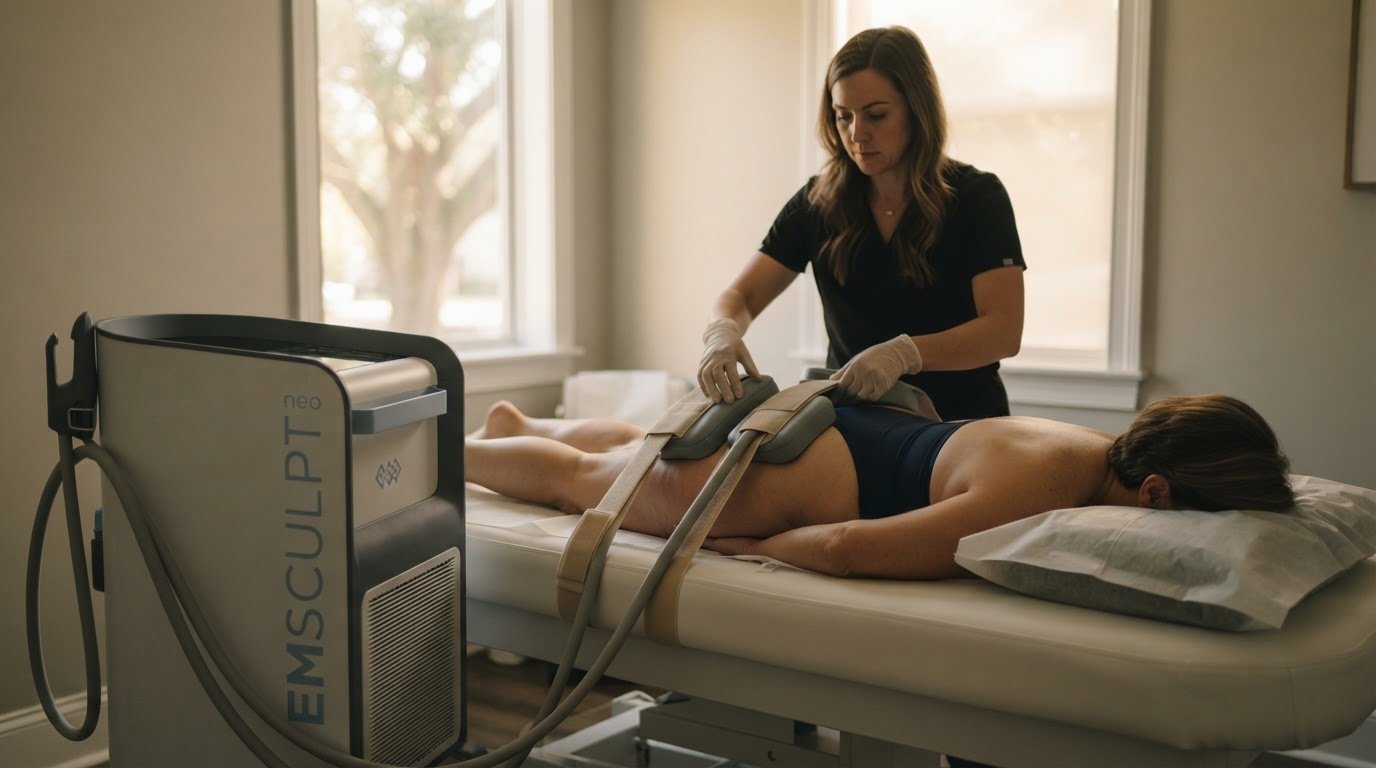
My Health 360 also offers Emsculpt Neo, BioPrime pre-operative and pre-event whole-body habilitation, and Bio-Restore post-operative and injury whole-body habilitation. These services address different needs, so the right discussion begins with your own goals and the concerns you want to address.
For a personalized conversation, contact My Health 360 to arrange a Meet and Greet and discuss with Medical Director Dr. Fatima whether Morpheus8 is a good option for you. A thoughtful next step can help you move forward with clarity and confidence.
Frequently Asked Questions
Is downtime the same as for facial Morpheus8?
Not necessarily; downtime depends on the treated area and the person’s skin response. After hand treatment, redness and mild sensitivity may last two to five days, and swelling or irritation generally settles within a week. My Health 360 describes Morpheus8 as an in-office treatment with minimal downtime, with mild redness and swelling typically resolving within a few days. Plan around how your own hands respond, rather than assuming facial recovery predicts it exactly.
How Is Morpheus8 Different From Traditional Microneedling?
Morpheus8 combines microneedling with radiofrequency energy, while traditional microneedling uses needles without that radiofrequency component. The needles deliver energy at a controlled depth, targeting superficial, intermediate, or deep tissue. That distinction matters if the goal involves skin firmness as well as surface texture. Treatment depth and energy are selected for the treated area, so Morpheus8 isn’t simply traditional microneedling with a different name.
Morpheus8 for Hands and Décolletage: Does It Work Beyond the Face?
Yes. Morpheus8 is used beyond facial skin, including hands and the décolletage, with the treatment approach tailored to the area. The hands have different contours and skin characteristics from the face, so facial treatment settings shouldn’t be assumed to apply. For someone in Amherst or Buffalo considering more than one area, the clinician can discuss each area’s goals and plan treatment accordingly.
What Are the Benefits of Morpheus8?
Morpheus8 can target skin quality, including texture and firmness, by delivering radiofrequency energy through microneedles. For hands, it may also improve mild pigmentation changes as skin cell renewal increases. Changes develop over time, rather than immediately after an appointment. The treatment doesn’t replace volume beneath the skin, so it addresses a different concern from hand fillers. Benefits depend on matching the treatment goal to what the procedure is designed to address.
Who Is a Good Candidate for Morpheus8?
A suitable candidate is someone seeking skin-quality improvement whose hand skin and health history are appropriate for treatment. The assessment considers the condition of the treated area, relevant health conditions, medicines, previous procedures, and healing history. People primarily seeking restored hand volume should understand that Morpheus8 doesn’t replace lost volume. A Meet and Greet with Medical Director Dr. Fatima offers an opportunity to discuss whether the procedure fits your goals.
What is Morpheus8 hand rejuvenation and how does it work?
Morpheus8 hand rejuvenation is a non-surgical treatment that uses microneedles to deliver radiofrequency energy into hand tissue at a controlled depth. The selected depth can target superficial, intermediate, or deep tissue, depending on the treatment plan. The aim is to stimulate changes in skin quality, such as texture and firmness. It doesn’t restore volume beneath the skin, so it isn’t a substitute for a volume-focused treatment.
What results can you expect from Morpheus8 on hands, and how long do they last?
Hand skin may look smoother or firmer as changes develop over the following weeks and months. Results can become visible from three to six weeks, with further development over three to six months. No single duration applies to everyone. Skin condition, the treatment plan, and individual response influence how results evolve. A clinician can discuss how to assess changes over time and whether maintenance suits your goals.
What are the risks and side effects of Morpheus8 on the hands?
Common short-term effects include redness, mild sensitivity, swelling, irritation, and small flaky scabs. Redness and sensitivity can last two to five days, while swelling and irritation generally settle within a week. Scabs may appear within 72 hours. My Health 360 notes that most patients experience mild redness and swelling that typically resolves within a few days. Discuss your health history and treatment area before proceeding, and follow the aftercare guidance provided.