The threads are temporary; the collagen response can continue after they dissolve. For anyone considering a PDO thread lift in Williamsville, NY, the threads are made of absorbable polydioxanone, a material also used in medical sutures, and typically dissolve within 4 to 6 months. The collagen-stimulating effects may last several months to years, while results develop over time rather than appearing all at once.
It’s reasonable to want to know what is placed beneath the skin and what recovery may involve before deciding whether treatment suits your goals. A PDO thread lift uses a specialized needle or cannula to position threads in targeted areas. The approach and expected outcome depend on your treatment plan and skin concerns.
This guide explains how the threads work, when results may become noticeable, and how long they may last. It also covers preparation, the treatment process, and recovery, helping you understand what to expect before discussing whether a thread lift aligns with your aesthetic goals.
Key Takeaways
- Understand what PDO threads are made of and how they support a collagen response as they dissolve.
- Learn how treatment planning considers your skin concerns and the areas you want to address.
- Know which medications and supplements may need to be discussed before treatment to help manage bruising risk.
- Prepare for a recovery period that can include temporary swelling, bruising, soreness, or tightness, and follow aftercare guidance carefully.
- Set realistic expectations: results develop gradually, and their longevity varies with your treatment plan and individual factors.
What Is A PDO Thread Lift?
A PDO thread lift places absorbable polydioxanone threads beneath the skin to support targeted areas and stimulate collagen. It is generally suited to people with mild to moderate skin sagging who are seeking nonsurgical facial rejuvenation.
Collagen Production and Skin Quality
After placement, the threads provide a framework that encourages collagen production around the treated area. Collagen contributes to skin firmness and structure, so the goal is gradual support rather than the volume change associated with a filler.
Consider your specific concern: early jowling, for example, differs from widespread sagging or changes in skin texture. Skin laxity, treatment area, and desired degree of lift all help shape the plan. Collagen stimulation may support skin quality, but a thread lift is not equivalent to surgery.
Progressive Collagen-Related Results
Some lifting may be visible after placement, while collagen-related changes develop over time. Results may improve during the next 1 to 2 months as collagen is produced, with fuller results becoming apparent over 3 to 6 months.
This progression matters when setting expectations. Assess changes in relation to the original concern, such as sagging along the jawline, and observe how the skin responds. The threads dissolve, but the collagen response can continue beyond their absorption.
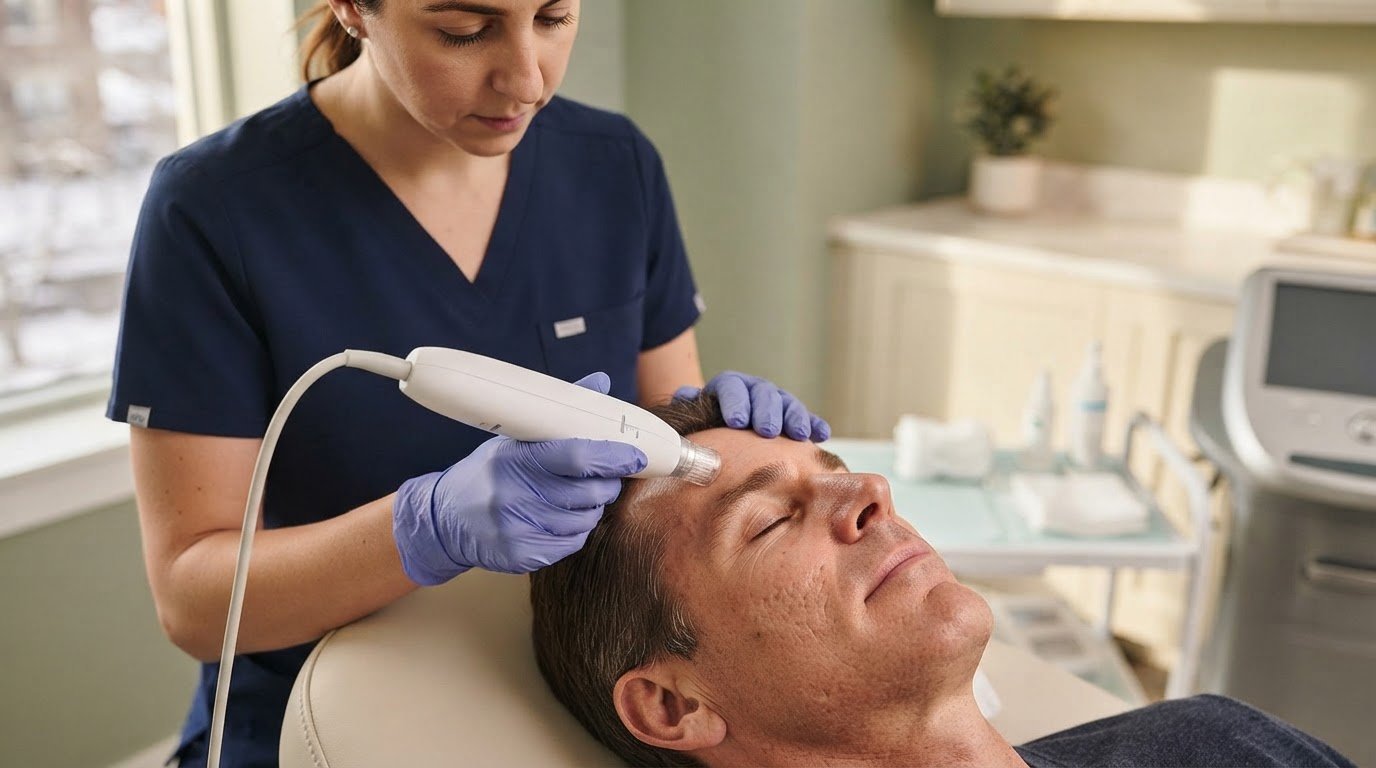
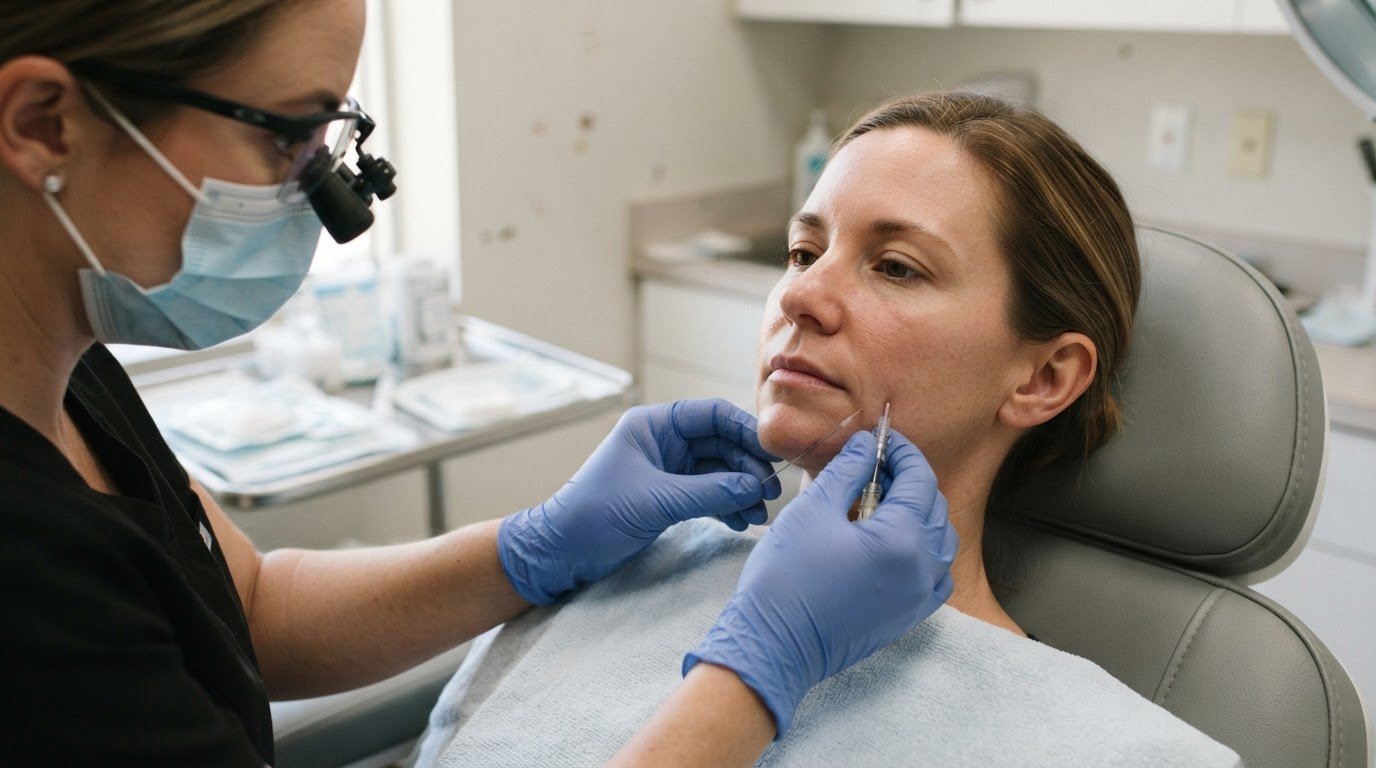
To place threads, a trained provider uses a specialized needle or cannula beneath the skin. The placement method depends on the treatment area and intended support; the face is not treated as a uniform surface.
Compared with a surgical facelift, a PDO thread lift is nonsurgical and offers a more limited lift; it does not remove excess skin. Dermal fillers add volume, while threads primarily provide support and stimulate collagen. The methods address different concerns.
In New York State, the appropriate provider is a licensed medical professional whose scope of practice and training cover thread placement. The relevant credentials depend on the professional’s license and role, so confirm both licensure and procedure-specific training.
In Williamsville, PDO thread lifts are offered by aesthetic medical practices and other medical providers who perform thread procedures. The provider’s professional qualifications and treatment approach matter more than the practice label alone.
To assess credentials, match the physician’s name to their New York State professional license record, then review their training and experience with thread lifts. When reading patient reviews, look for specific descriptions of communication, treatment planning, and follow-up rather than relying on a single rating.
Pre-treatment preparation
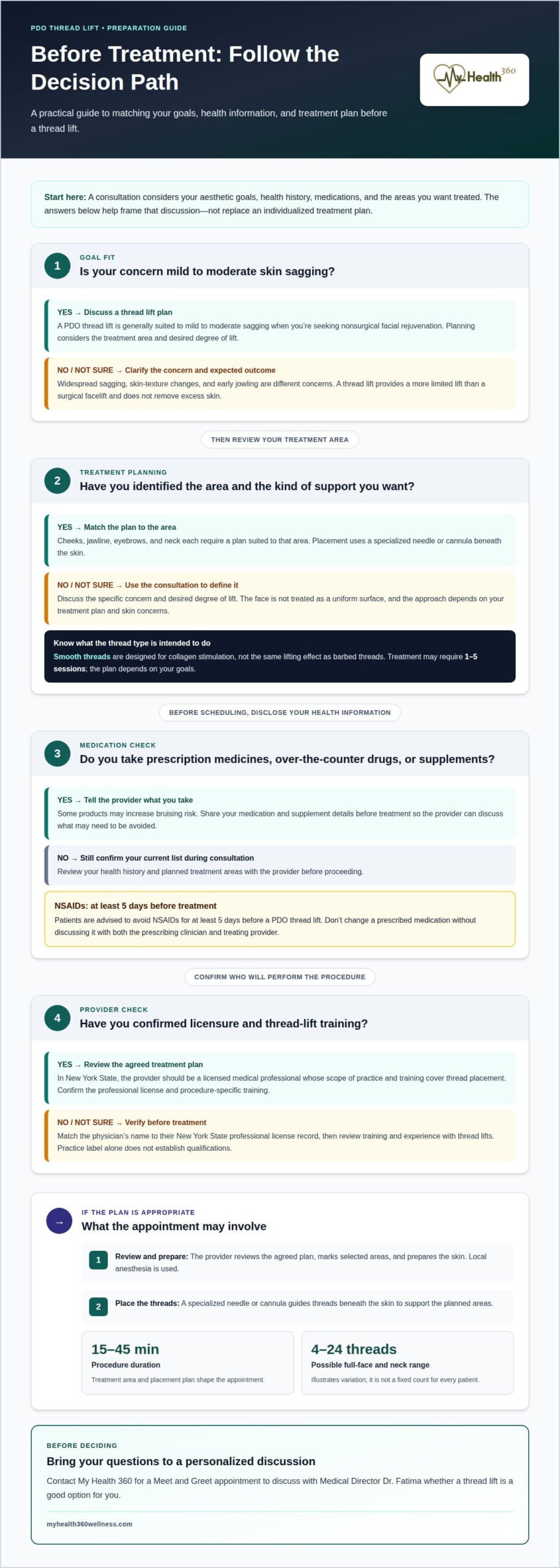
For a PDO thread lift in Williamsville, NY, preparation begins with a consultation about your aesthetic goals, health history, medications, and planned treatment areas. Cheeks may need a different approach from the jawline, eyebrows, or neck. This discussion helps determine whether a thread lift suits your concern and whether smooth threads or another plan better matches your desired result.
Before treatment, tell the provider about prescription medicines, over-the-counter drugs, and supplements. Some may increase bruising risk, so you may be advised to avoid certain products. Patients are advised to avoid NSAIDs for at least 5 days before a PDO thread lift. Don’t change a prescribed medication without discussing it with the prescribing clinician and treating provider.
Planning also covers the balance between immediate support and gradual collagen-related change. Smooth threads are designed for collagen stimulation rather than the same lifting effect as barbed threads; treatment may require 1-5 sessions. If you’re considering smooth threads alongside another aesthetic treatment, discuss the sequence and goals during consultation. Combining procedures isn’t automatically appropriate, and the plan should account for each method’s purpose and treatment area.
During the appointment, the provider reviews the agreed plan, marks the selected areas, and prepares the skin. Local anesthesia is used. A specialized needle or cannula then guides threads beneath the skin, where they’re positioned to support the planned areas. A PDO thread lift procedure takes 15 to 45 minutes, though the treatment area and placement plan shape the appointment.
For a PDO thread lift in Williamsville, NY, the cheeks and jawline are planned according to where support is intended and how those areas relate to each other. Eyebrow treatment targets a different facial region, while the neck requires its own placement plan. A full-face and neck procedure may use 4 to 24 threads. That range illustrates variation, not a fixed thread count for every patient.
Expect the consultation to cover your goals, areas being considered, relevant medications and supplements, anesthesia, and procedure steps. It’s also the time to discuss whether combining smooth threads with other treatments fits your goals, rather than assuming multiple procedures should happen together. Contact My Health 360 for a Meet and Greet to discuss with Medical Director Dr. Fatima whether a thread lift is a good option for you.
Recovery and aftercare
A PDO thread lift is minimally invasive, but recovery can involve temporary changes as treated tissue settles. Understanding how downtime, bruising, and discomfort may progress helps you plan everyday activities around the procedure.
Recovery and Downtime
Most people can resume most daily activities within 24 hours after treatment. That doesn’t mean every visible sign has disappeared: swelling or bruising can remain for a few days, and full settling takes about 2 weeks.
For example, someone returning to desk work the next day may still notice tenderness or mild swelling. Follow the aftercare advice to sleep face-up for a few weeks after treatment, along with the specific instructions for your procedure and treated areas.
Possible Side Effects
Bruising, swelling, and soreness are possible after a thread lift. These effects may last from 1 to 2 days up to 2 weeks, while swelling or bruising often subsides within a few days.
Numbness may last 30 to 45 minutes after the procedure. The range of recovery experiences matters: a cheek treatment and a jawline treatment can involve different areas, but neither should be judged solely by the first day’s appearance.
Recovery Time and Discomfort
Soreness usually subsides by 3 days after the procedure, although tightness or soreness in treated areas may continue for 1 to 2 weeks. The distinction is useful: short-term tenderness can ease while a feeling of tightness remains.
As the tissue settles, patients may look better 4 to 8 weeks after treatment. This later change reflects a different stage from the initial recovery, so early swelling shouldn’t be mistaken for the final appearance.
During the first few days, track how discomfort and visible swelling change rather than expecting them to resolve all at once. For example, note whether cheek tenderness is easing or jawline bruising is fading. Symptoms can improve on different timelines, with some settling within days and others taking longer.
A surgical facelift involves a different procedure and recovery experience; a thread lift’s downtime is generally shorter, but it still requires aftercare. Treat the first 2 weeks as a settling period, and continue face-up sleeping for a few weeks as advised. Follow the treating clinician’s directions for your own recovery and contact them about concerns.
Expected results and longevity
Results unfold in stages: initial facial changes appear first, followed by collagen-related improvements. Considering these phases separately helps set expectations and assess whether your appearance is progressing as planned.
Benefits and Expected Results
A thread lift is intended to support targeted facial areas and encourage collagen-related changes, rather than create a dramatic surgical transformation. The visible effect depends on the area treated and degree of sagging addressed. If your focus is the jawline, for example, assess definition there rather than expecting the same change across every facial feature.
Results often start to become noticeable within 2 to 4 weeks after the procedure. Collagen-related changes continue afterward, so the early appearance is not the complete result. Track the concern that prompted treatment, such as reduced cheek support, rather than judging the outcome by a single feature or day.
Results Duration
PDO thread lift results are reported to last 12 to 24 months, with broader estimates ranging from 1 to 3 years. These ranges describe different reported experiences, not a fixed duration for every person. The appearance changes as the body responds to treatment and as the face continues its natural aging process.
Thread-related support and collagen stimulation follow different timelines. Assess both the initial lifting effect and later skin quality. For example, you may notice early jawline definition, then observe how that area looks as collagen-related changes develop over the following months.
Follow-Up and Longevity
Follow-up helps assess the result against the original treatment goals and determine whether another procedure is appropriate. A PDO thread lift boost procedure is typically performed 3 to 4 months after the initial threadlift. This timing allows the initial treatment’s developing changes to be considered before planning additional support.
At follow-up, review the treated areas, timing of visible changes, and degree of improvement you sought. Comparing photographs taken from similar angles and in similar lighting can make gradual facial changes easier to assess. Raise specific concerns, such as persistent asymmetry or less visible lifting than expected.
How long results last depends on your treatment response and initial concern. Mild sagging and more pronounced laxity have different starting points, so evaluate results in relation to your original facial appearance. Reported ranges offer context, while follow-up lets you discuss how your result is evolving.
Because collagen-related improvement develops progressively, avoid treating the first visible change as the final outcome. Consider the sequence: early appearance, changes over the next 1 to 2 months, then fuller results over 3 to 6 months. This staged view supports a more balanced assessment than expecting a single, immediate result.
PDO thread lift definition and materials
PDO means polydioxanone, a biodegradable, absorbable material commonly used in medical sutures. In a thread lift, a provider places the threads beneath the skin using a specialized needle or cannula. The material provides temporary support while the treatment also aims to stimulate collagen around the treated area.
The threads don’t remain permanently. PDO threads used for thread lifts dissolve in the body within 4 to 6 months, while smooth threads gradually absorb over several months. The body’s response to the placement can continue after absorption, so the material’s dissolving timeline isn’t the same as the duration of visible results.
Near Williamsville, the approaches described include smooth thread treatments and thread placement intended to support targeted areas. Smooth threads may require 1-5 treatments. The appropriate configuration depends on the area and goal, such as supporting the cheeks, defining the jawline, or addressing the neck.
Thread selection is only one part of planning. Your consultation should connect the material and placement approach to the concern being addressed. Someone seeking a subtle change in skin quality may have different priorities from someone focused on lifting along the jawline. The goal is a considered plan, not a one-size-fits-all promise of a youthful appearance.
PDO thread lifts are minimally invasive compared with surgical procedures, but still involve inserting material beneath the skin. Discuss placement, expected effects, comfort, and aftercare before treatment. Ask how the plan addresses your specific area and what changes to expect as the threads dissolve and collagen develops.
A full-face and neck thread lift may use 4 to 24 threads. That range illustrates how the treatment can vary; it isn’t a recommended count for every patient. The area treated, the degree of support sought, and whether smooth threads are used all shape the plan. Thread count alone doesn’t describe the treatment or predict its result.
The key distinction is between the absorbable material and the body’s response to its placement. Polydioxanone dissolves, while collagen-related changes can develop progressively. When comparing thread lifts, consider the treatment goal, target area, material, placement approach, and expected timeline together, rather than judging suitability by the word “thread” alone.
For a personalized discussion of PDO thread materials and treatment goals, contact My Health 360 to arrange a Meet and Greet with Medical Director Dr. Fatima. Schedule a Meet and Greet to discuss whether the procedure is a good option for you.
My Health 360: PDO Thread Lift
My Health 360 offers PDO Thread Lift treatment for people exploring nonsurgical facial rejuvenation. A Meet and Greet provides an opportunity to discuss your aesthetic goals, treatment areas, and questions about collagen-related changes and recovery with Medical Director Dr. Fatima. The conversation can help clarify whether a thread lift suits your concerns and what a personalized treatment plan may involve.
If you’re considering treatment for mild to moderate skin laxity, a discussion can focus on the degree of support you’re seeking and your expectations for gradual results. Contact My Health 360 to arrange a Meet and Greet and discuss with Dr. Fatima whether the procedure is a good option for you.
Choose Your Next Step With Confidence
Deciding whether a PDO thread lift in Williamsville, NY, fits your goals is a personal clinical and aesthetic decision. Use your next conversation to describe the changes you hope to see, the areas that concern you, and what matters most in your recovery and treatment plan. That gives Medical Director Dr. Fatima a clearer basis for discussing whether the procedure is a good option for you.
My Health 360 also offers Emsculpt Neo, BioPrime: Pre-operative /Pre-Event whole body habilitation, and Bio-Restore: Post-Operative/ injury whole body habilitation. These offerings address different needs, while a discussion about a thread lift can stay focused on your facial goals and treatment questions.
Contact My Health 360 to arrange a Meet and Greet with Medical Director Dr. Fatima and discuss whether a PDO thread lift is a good option for you. A thoughtful conversation can help you move forward with greater clarity and confidence.
Frequently Asked Questions
How Long Until I See Results?
Some changes may become noticeable within 2 to 4 weeks, while collagen-related results develop over several months. For example, a person tracking jawline definition may notice the initial change before the full effect is apparent. Comparing photographs taken in similar lighting and from the same angle can help you observe gradual changes more consistently than relying on memory alone.
How Many Appointments Will I Need?
The number of appointments depends on the thread type and treatment plan. Smooth thread treatments may require 1-5 treatments, while a lifting-thread plan is tailored to the areas being addressed. A follow-up conversation can assess how the treated area is progressing before further treatment is considered. Discuss the intended schedule during your consultation, including whether the plan involves staged treatment.
Is the procedure painful?
Local anesthesia is used during a PDO thread lift. Soreness or tightness may occur afterward, so plan a quieter schedule if facial tenderness could make work or social activities uncomfortable. Consider whether you have an event soon after treatment and discuss the timing during your consultation. Your physician can explain what to expect for the planned areas.
What’s the First Step?
The first step is to contact My Health 360 to arrange a Meet and Greet with Medical Director Dr. Fatima and discuss whether a PDO thread lift is a good option for you. Discuss the facial changes you want to address, such as cheek support or jawline definition, along with your health history and medication or supplement use. This conversation helps clarify your goals and the treatment approach to discuss. Contact My Health 360 to arrange your appointment in Williamsville.
What results can a PDO thread lift achieve, and how long do they last?
A PDO thread lift can provide targeted support and improve the appearance of mild to moderate skin laxity. It is not the same as a surgical facelift, and the degree of change depends on the treatment area and plan. Reported longevity ranges from 12 to 24 months, while broader estimates span 1 to 3 years. These ranges help frame discussion, not predict an individual result.
What are the risks and side effects of PDO thread lifts?
Common temporary effects include bruising, swelling, soreness, and tightness around treated areas. For instance, swelling may be more noticeable in the first few days, while tenderness can take longer to settle. Numbness may occur for 30 to 45 minutes after treatment. Discuss your health history and medications beforehand, and follow the aftercare instructions provided for your procedure.
What is the recovery time and aftercare for a PDO thread lift?
Most people can resume most daily activities within 24 hours, but visible bruising or swelling may persist. Follow your treatment-specific instructions, including sleeping face-up for a few weeks. For example, arrange sleeping pillows in advance if you usually sleep on your side. Full settling takes about 2 weeks, so plan important photographs or events with that recovery period in mind.