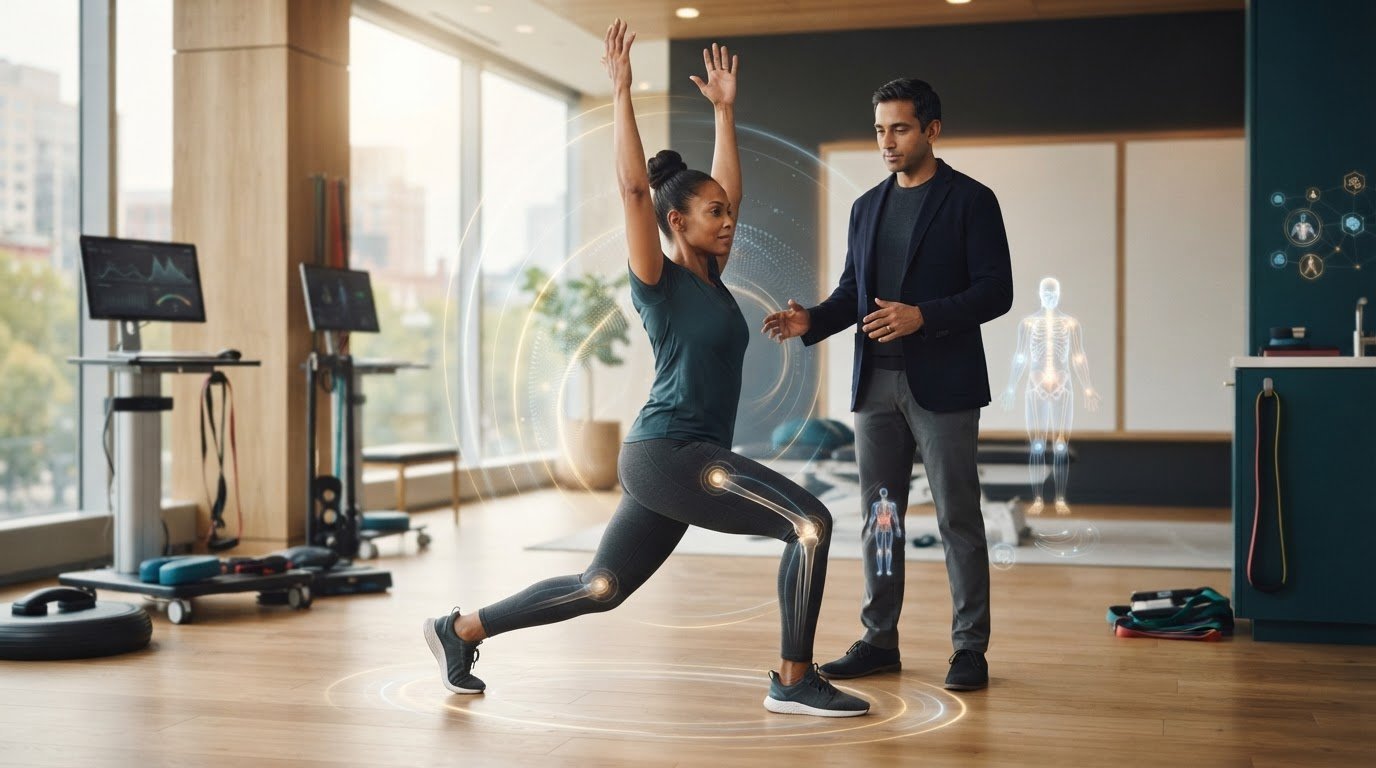
Why do we treat recovery as a passive period of rest when it is actually a complex, active biological negotiation that determines the ceiling of your next performance? For many high performers, the persistence of delayed onset muscle soreness and the creeping shadow of chronic inflammation are accepted as the inevitable tax of progress. You might find yourself caught between the frustration of training plateaus and the confusion of a marketplace flooded with DIY gadgets that lack clinical validation.
We understand that true optimization requires more than just a foam roller or a generic supplement. By leveraging physician-led biohacking for athletic recovery, you can transition from reactive healing to a proactive, functional medicine framework. This approach ensures your body doesn’t just return to baseline but actively evolves toward a higher state of readiness. In this guide, we will explore how sophisticated clinical interventions, such as whole body red light therapy and specialized habilitation programs like Bio-Restore, provide the precision needed to reduce injury risk and accelerate your return to play. You’ll discover a clear, medically supervised path to mastering your internal environment and achieving sustained peak performance.
Key Takeaways
- Understand why functional medicine serves as the essential clinical foundation that transforms generic biohacking gadgets into a precise, results-driven recovery strategy.
- Discover the biological mechanisms of whole-body red light therapy and how targeting mitochondrial health accelerates cellular repair and ATP production.
- Learn the critical distinctions between consumer-grade wearables and clinical-grade biohacking for athletic recovery to ensure your efforts yield measurable physiological improvements.
- Explore the BioPrime and Bio-Restore frameworks to move beyond passive rest and embrace a structured, physician-led approach to pre-habilitation and injury recovery.
- Identify the two essential steps for designing a personalized protocol that aligns your unique biomarkers with your specific athletic event horizons.
Redefining Recovery: The Intersection of Biohacking and Functional Medicine
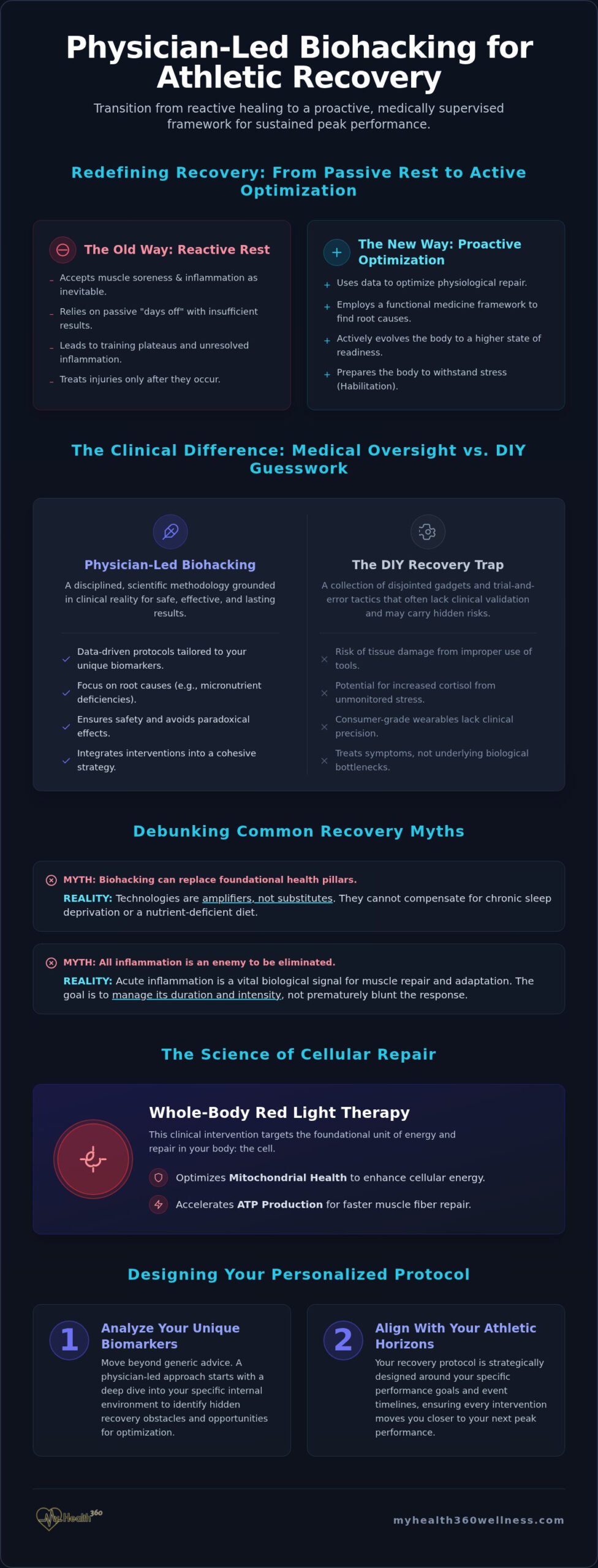
What defines the boundary between a standard rest period and an elite recovery phase? In the high-stakes environment of modern athletics, we define biohacking for athletic recovery as the intentional, data-driven application of science and technology to optimize physiological repair. While many view biohacking as a collection of disjointed gadgets, its true power emerges when it is guided by the principles of functional medicine. If biohacking tools represent the brawn of the recovery process, functional medicine serves as the brain, providing the diagnostic precision required to ensure that every intervention is both safe and effective.
This approach marks a fundamental shift from reactive injury treatment to proactive performance optimization. Instead of waiting for a ligament to strain or a muscle to tear, we utilize a framework of Whole Body Habilitation. This clinical standard views the athlete as a complex biological system where every variable, from cellular energy production to systemic hormonal balance, must be harmonized to reach peak performance. By focusing on habilitation rather than just rehabilitation, we prepare the body to withstand the rigors of intense training before the first sign of dysfunction appears.
The Biological Limits of Traditional Rest
Passive rest, the traditional recommendation of “taking a few days off,” is often insufficient for the high-output demands placed on athletes in 2026. While the body possesses innate healing mechanisms, systemic inflammation can often become a chronic bottleneck that prevents complete muscle fiber repair. When inflammation remains unresolved, it creates a cycle of oxidative stress that degrades mitochondrial function. Functional medicine allows us to look beneath the surface to identify hidden recovery obstacles, such as micronutrient deficiencies or impaired detoxification pathways, that no amount of sleep alone can resolve. By addressing these root causes, we unlock the body’s natural capacity for rapid regeneration.
Physician-Led vs. DIY Biohacking
The marketplace is currently flooded with consumer-grade recovery tools, yet DIY biohacking carries inherent risks that are often overlooked. Unmonitored exposure to extreme temperature stress or the improper use of electrical stimulation can lead to paradoxical effects, such as increased cortisol levels or localized tissue damage. The precision of biohacking for athletic recovery relies on medical oversight to ensure that protocols are tailored to your specific internal biomarkers. Utilizing an integrative internal medicine approach ensures that your recovery plan is grounded in clinical reality. This expert guidance transforms a trial-and-error process into a disciplined, scientific methodology that prioritizes your long-term health and athletic longevity.
Common Myths: Debunking the DIY Recovery Narrative
Is advanced recovery reserved solely for the professional arena? This is perhaps the most pervasive misconception in the wellness space. In reality, biohacking for athletic recovery is a vital tool for any individual committed to long-term physical autonomy. Whether you’re a weekend warrior or a dedicated amateur, the biological stressors of training remain the same. However, we must also address the dangerous idea that biohacking can replace the non-negotiable pillars of health. No amount of red light therapy can compensate for chronic sleep deprivation or a nutrient-deficient diet. These technologies are amplifiers, not substitutes, for a foundational wellness lifestyle.
Another critical myth involves our relationship with inflammation. Many athletes view inflammation as a universal enemy to be eliminated at all costs. This perspective ignores the biological necessity of acute inflammation. This temporary state is the very signal that triggers muscle hypertrophy and tissue adaptation. By prematurely blunting this response through unmonitored cold immersion or anti-inflammatories, you may unintentionally sabotage your gains. The goal isn’t to eliminate inflammation, but to manage its duration and intensity through clinical precision.
The “More is Better” Fallacy
The concept of hormesis is central to effective recovery. This biological principle suggests that a specific dose of stress, such as cryotherapy or heat exposure, triggers a beneficial repair response. However, exceeding that threshold turns a therapeutic intervention into a new source of damage. Stacking multiple high-stress modalities in a single day without a strategic plan often leads to central nervous system fatigue rather than restoration. At a physician-led center, we calibrate the intensity of treatments like whole-body red light therapy to ensure you stay within the optimal hormetic zone. If you’re ready to move beyond guesswork, consider how expert guidance can refine your current routine.
Why Gadgets Aren’t a Strategy
We often see patients who confuse data tracking with clinical intervention. While consumer-grade wearables provide valuable insights into your heart rate variability or sleep cycles, they cannot execute the physiological repair required after intense sessions. Data is not a treatment. There is a vast difference between a home massage tool and professional-grade HIFEM or RF technologies used in a clinical setting. Adopting a concierge performance medicine model allows for the integration of these high-level therapies into a cohesive strategy. This transition from passive tracking to active, medically supervised intervention is what separates those who simply train from those who truly optimize.
The Science of Cellular Repair: Red Light and IV Optimization
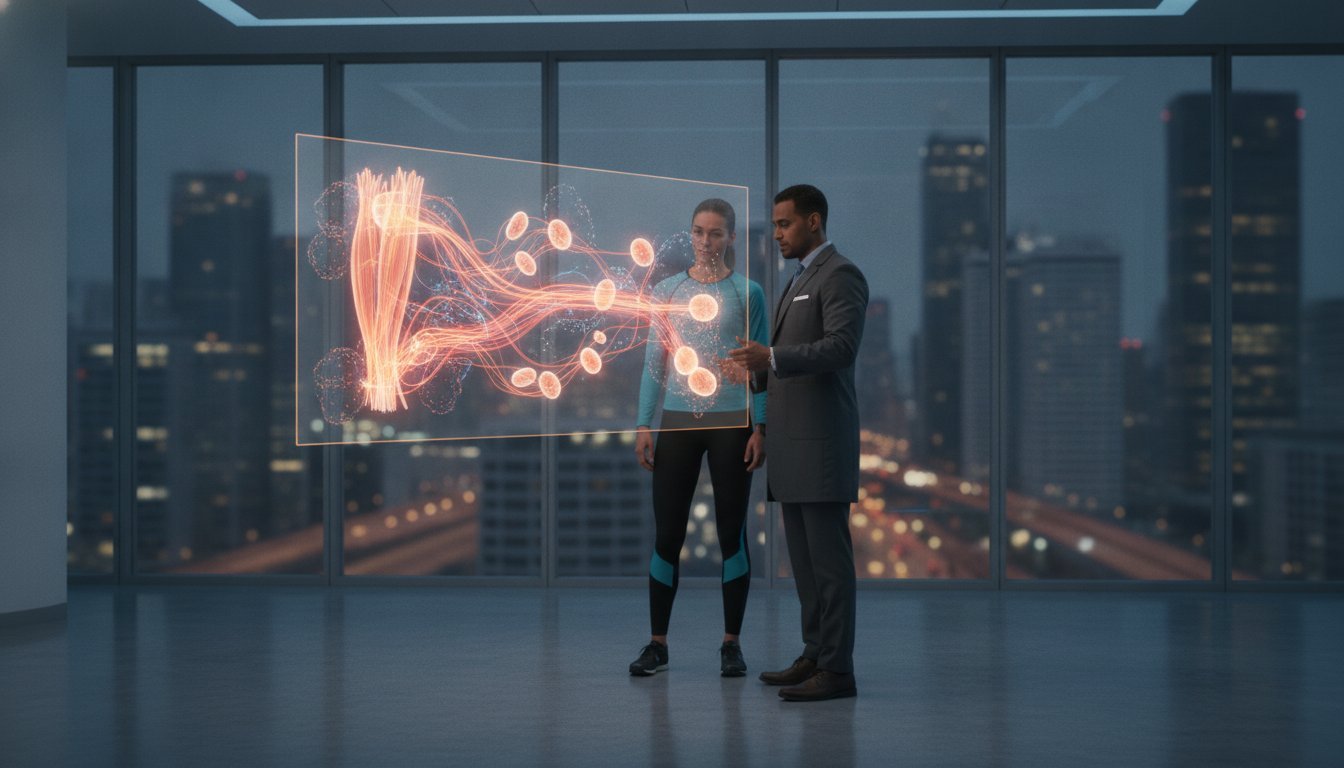
How do we move from the external strategy of recovery to the internal reality of cellular repair? At its core, biohacking for athletic recovery is most effective when it targets the mitochondria, the specialized organelles responsible for producing the energy your body needs to rebuild. Without efficient mitochondrial function, the recovery process remains a slow, uphill battle. By addressing the cellular engine, we create a synergy where increased production of adenosine triphosphate (ATP) directly fuels muscle fiber synthesis and reduces the oxidative stress that accumulates during high-intensity training blocks.
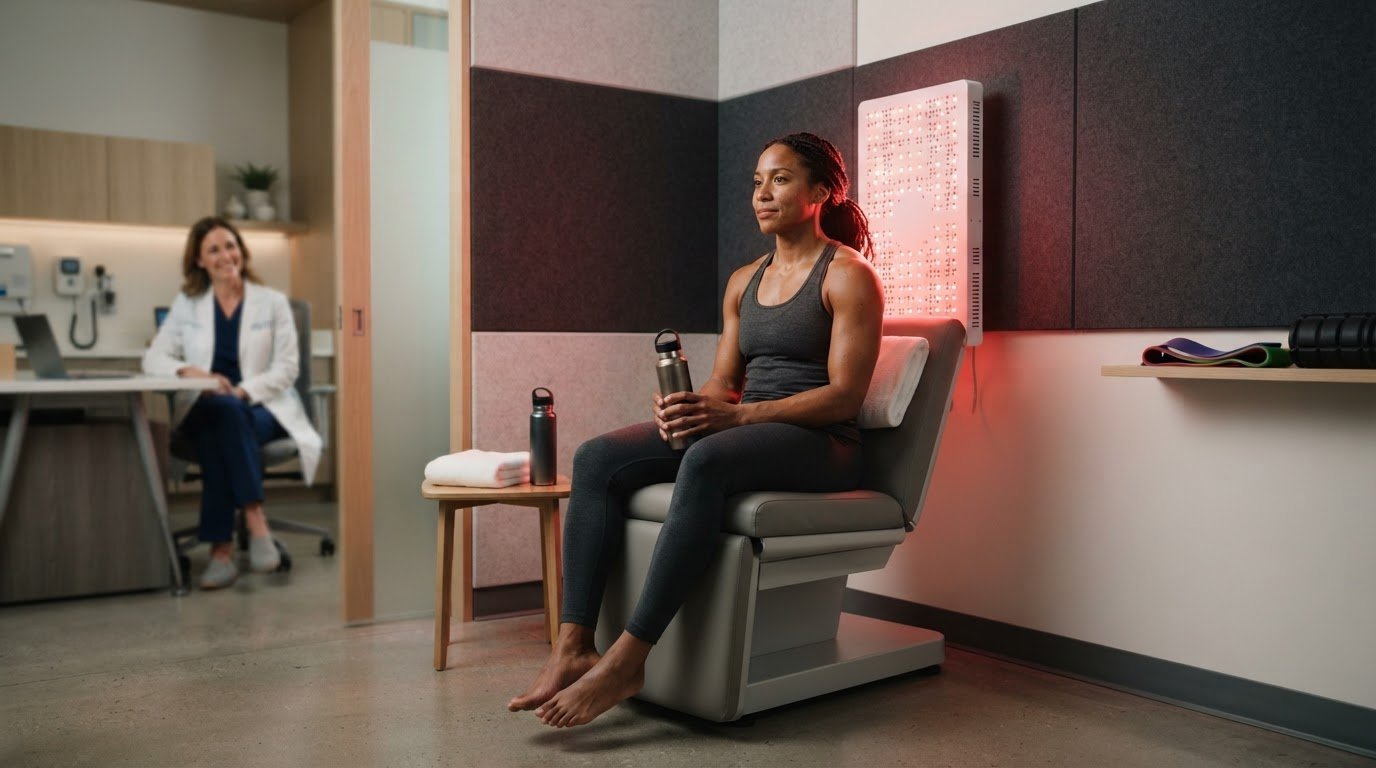
Whole body red light therapy, or photobiomodulation, uses specific wavelengths of light to penetrate the skin and interact with cytochrome c oxidase within the mitochondria. This interaction stimulates a cascade of biological benefits, including enhanced cellular respiration and a significant reduction in systemic inflammation. This is not merely about soothing sore muscles; it is about providing the biological fuel necessary for the body to repair itself at a molecular level. When the cellular environment is optimized, the transition from exhaustion to peak readiness happens with much greater efficiency and precision.
Mitochondrial Biogenesis and Athletic Longevity
Mitochondrial biogenesis is the physiological process of increasing the number and functional capacity of your mitochondria, serving as the essential foundation for sustained power output. Unlike traditional massage, which focuses on superficial tissue manipulation, LLLT (Low Level Laser) delivers coherent light deep into the muscle structure to stimulate repair where it is needed most. This deep tissue intervention is a critical component of biohacking for athletic recovery, as it helps prevent the systemic depletion that often leads to chronic fatigue syndrome in overtrained athletes. By prioritizing mitochondrial health, you aren’t just recovering for tomorrow; you are investing in your long-term athletic longevity.
IV Hydration: Cellular Optimization from the Inside Out
Why do even the most disciplined athletes struggle with nutrient timing? The primary hurdle is the human digestive system, which often imposes a strict limit on how quickly vitamins and minerals can enter the bloodstream during intense competition or training cycles. IV hydration therapy bypasses these gastrointestinal constraints, delivering a concentrated dose of electrolytes, antioxidants, and amino acids directly to the cells. This immediate bioavailability allows for the efficient flushing of metabolic waste products like lactate and urea. By customizing IV cocktails to match specific athletic goals, we can prioritize endurance-focused minerals or power-focused amino acids, ensuring your internal environment is perfectly calibrated for your next event.
BioPrime vs. Traditional Rest: A Framework for High-Performance Recovery
Does the traditional RICE method, consisting of Rest, Ice, Compression, and Elevation, truly meet the needs of a modern athlete? While these steps remain staples of basic first aid, they represent a fundamentally reactive strategy designed for the average individual rather than the high-output performer. In a clinical setting, we replace this passive approach with a structured, physician-led framework of habilitation. This methodology utilizes biohacking for athletic recovery to address the body’s needs both before and after intense physical stress. By shifting the focus from simply managing symptoms to actively optimizing physiological capacity, we ensure that athletes don’t just return to their previous baseline, but actually surpass it.
The distinction between traditional rest and clinical habilitation lies in the intentionality of the intervention. While rest waits for the body to heal itself, our framework uses advanced technologies like Emsculpt Neo and whole-body red light therapy to accelerate the natural repair cycles. This dual-phase approach, divided into BioPrime and Bio-Restore, allows us to manage the biological tax of training with mathematical precision. It transforms recovery from a period of downtime into a strategic advantage.
BioPrime: Preparation as the Best Recovery
We view BioPrime as the essential “pre-habilitation” phase, where the goal is to prepare the cellular state for peak stress before it occurs. By building a “buffer” of muscle resilience and optimizing mitochondrial health, we can significantly reduce the severity of post-event muscle damage. This phase often utilizes Radio Frequency (RF) and High-Intensity Focused Electromagnetic (HIFEM) technologies to strengthen tissue and improve vascularity without the joint strain associated with heavy lifting. Maintaining this baseline of habilitation is a core benefit of a Medical Gym Membership, providing athletes with a controlled environment to fortify their bodies against future injury.
Bio-Restore: Accelerating the Path Back to Performance
When an injury occurs or a high-intensity training block concludes, Bio-Restore serves as the advanced habilitation phase. This protocol is designed to shorten downtime by 30 to 50 percent compared to traditional rest alone. A key component of this stage is how Emsculpt Neo aids in muscle re-education, allowing for targeted stimulation that maintains muscle mass even when an athlete’s mobility is temporarily restricted. This proactive repair process transitions the body from acute cellular repair back to long-term performance maintenance with unprecedented speed. If you are ready to experience a more disciplined approach to your physical longevity, explore our habilitation programs to see how clinical biohacking can redefine your athletic event horizon.
Designing Your Protocol: Transitioning from Reactive to Proactive Recovery
How do you move from understanding the science of cellular repair to implementing a protocol that actually changes your performance ceiling? The transition from reactive healing to a proactive, clinical framework requires a disciplined, four-step approach. Unlike DIY methods that rely on anecdotal evidence, a professional protocol for biohacking for athletic recovery begins with an objective analysis of your unique physiological state. This ensures that every intervention is timed perfectly to match your body’s specific needs.
Step 1 involves a comprehensive functional medicine assessment. We identify key biomarkers, such as markers of oxidative stress and nutrient deficiencies, to establish your biological baseline. Step 2 requires defining your specific athletic “event horizon.” Whether you’re entering a high-volume training block, preparing for a major competition, or scheduling a surgery, the protocol must be contextualized to your specific timeline. In Step 3, we layer clinical modalities like whole body red light therapy, IV hydration, and compression based on those metabolic needs. Finally, Step 4 focuses on physician-led data review, where we monitor your progress and adjust the intensity of treatments to maintain the optimal hormetic zone.
Integrating Longevity and Performance
It’s important to recognize that recovery biohacking is not merely a tool for next-day readiness. It’s an investment in your long-term physical autonomy. By maintaining a balance between functional health and aesthetic harmony, we ensure that your body remains resilient through years of high-stress training. This comprehensive approach to biohacking for athletic recovery views the athlete as a whole person rather than a collection of muscle groups. A physician-owned center provides the safest environment for these advanced protocols, as medical oversight ensures that every intervention supports both your immediate performance goals and your cumulative health.
Next Steps: Your Personalized Performance Consultation
Your journey begins with an integrative concierge medical consultation. During this initial session, we explore your medical history, athletic goals, and internal biomarkers to design a bespoke recovery roadmap. Our Bio-Restore and BioPrime programs are never one-size-fits-all; they’re precisely tailored to your individual biology and the specific demands of your sport. You can expect a deep dive into the data that drives your performance. It’s time to transition from guessing to knowing with a clinical recovery plan that prioritizes your longevity and power.
Master Your Biological Event Horizon
How will you define your next training cycle: as a period of inevitable depletion or as a strategic evolution? We’ve explored how biohacking for athletic recovery transcends simple rest by targeting the mitochondrial foundations of cellular repair. By integrating functional medicine assessments with advanced habilitation frameworks, you can move beyond the limitations of traditional recovery and enter a state of continuous physiological readiness. This isn’t just about healing; it’s about optimizing your body to withstand the demands of high-output athletics.
True optimization requires the precision of Board Certified Internal Medicine oversight and access to an advanced HIFEM and RF technology suite. Whether you are preparing for a high-stakes competition through our exclusive BioPrime protocol or seeking rapid repair with Bio-Restore, the goal remains the same: sustained physical autonomy and peak performance. It’s time to replace the ambiguity of DIY gadgets with a disciplined, medically supervised strategy that respects the complexity of your biology.
Schedule your physician-led performance consultation at My Health 360 to begin designing your personalized roadmap. Your peak performance isn’t a matter of chance; it’s a matter of clinical precision. We look forward to guiding you toward your next breakthrough.
Frequently Asked Questions
Is biohacking for athletic recovery safe for non-professional athletes?
Biohacking for athletic recovery is entirely safe for non-professional athletes when conducted under clinical supervision. The biological processes of repair and inflammation are universal, regardless of your competitive level. By utilizing physician-led protocols, you ensure that advanced technologies are calibrated to your specific health history and biomarkers. This medical oversight prevents the risks associated with unmonitored temperature or light stress, making elite-level recovery accessible to anyone committed to physical longevity.
How often should I use Red Light Therapy for muscle recovery?
The optimal frequency for red light therapy typically ranges from three to five sessions per week. This schedule respects the principle of hormesis, where the right dose of light stimulates mitochondrial repair without causing cellular fatigue. Your specific frequency depends on your current training volume and the presence of acute muscle soreness. A physician can help you adjust this cadence as your training block evolves to ensure you stay within the therapeutic window.
Can biohacking help with recovery after an orthopedic surgery?
Biohacking is highly effective for post-surgical recovery, particularly through the Bio-Restore habilitation program. These protocols focus on accelerating tissue repair and maintaining muscle mass while mobility is temporarily limited. By using non-invasive technologies like whole body red light therapy and LLLT, we can stimulate cellular regeneration and reduce the inflammation that follows orthopedic procedures. This targeted approach helps shorten your overall downtime and facilitates a more efficient return to activity.
What is the difference between a medical gym and a traditional fitness center?
A medical gym differs from a traditional center by providing physician-supervised environments integrated with clinical-grade technology. While a standard gym focuses on self-guided exercise, a medical gym utilizes HIFEM and RF technologies to enhance muscle resilience under expert guidance. It’s a data-driven space where your workouts are informed by your functional medicine biomarkers. This ensures every movement contributes to your long-term performance and recovery goals rather than just burning calories.
Does IV hydration really work faster than drinking water for recovery?
IV hydration works significantly faster than oral intake because it bypasses the gastrointestinal tract entirely. This delivery method ensures 100% bioavailability of electrolytes and antioxidants, providing immediate cellular support. During intense training cycles, your digestive system often limits how quickly it can process fluids and minerals. IV therapy removes this biological bottleneck, allowing for the rapid flushing of metabolic waste and immediate nutrient replenishment when your body needs it most.
How does Emsculpt Neo help with athletic performance and recovery?
Emsculpt Neo enhances performance by inducing supra-maximal muscle contractions that are impossible to achieve through voluntary exercise alone. This technology uses synchronized radiofrequency and high-intensity electromagnetic energy to strengthen the core and limbs without placing stress on the joints. It’s an essential tool for maintaining muscle density during recovery phases. By building this functional strength, you improve your power output and reduce the likelihood of future strains or compensatory injuries.
What functional medicine tests are most important for athletes?
The most critical assessments for athletes include tests for oxidative stress, micronutrient levels, and hormonal profiles. These functional medicine markers reveal hidden recovery bottlenecks that standard blood work might overlook. Identifying deficiencies in magnesium or spotting elevated cortisol levels allows for a more precise application of biohacking for athletic recovery. This data ensures your protocol is based on your internal reality rather than general assumptions or generic supplement plans.
Can biohacking reduce the risk of sports-related injuries?
Proactive biohacking significantly reduces injury risk by building a “buffer” of physiological resilience before peak stress occurs. The BioPrime protocol focuses on whole-body habilitation to strengthen connective tissues and optimize cellular energy production. When your body is better prepared to handle the load of competition, you’re less likely to experience the compensatory movements that lead to injury. It marks a transition from reactive healing to a disciplined focus on proactive structural integrity.