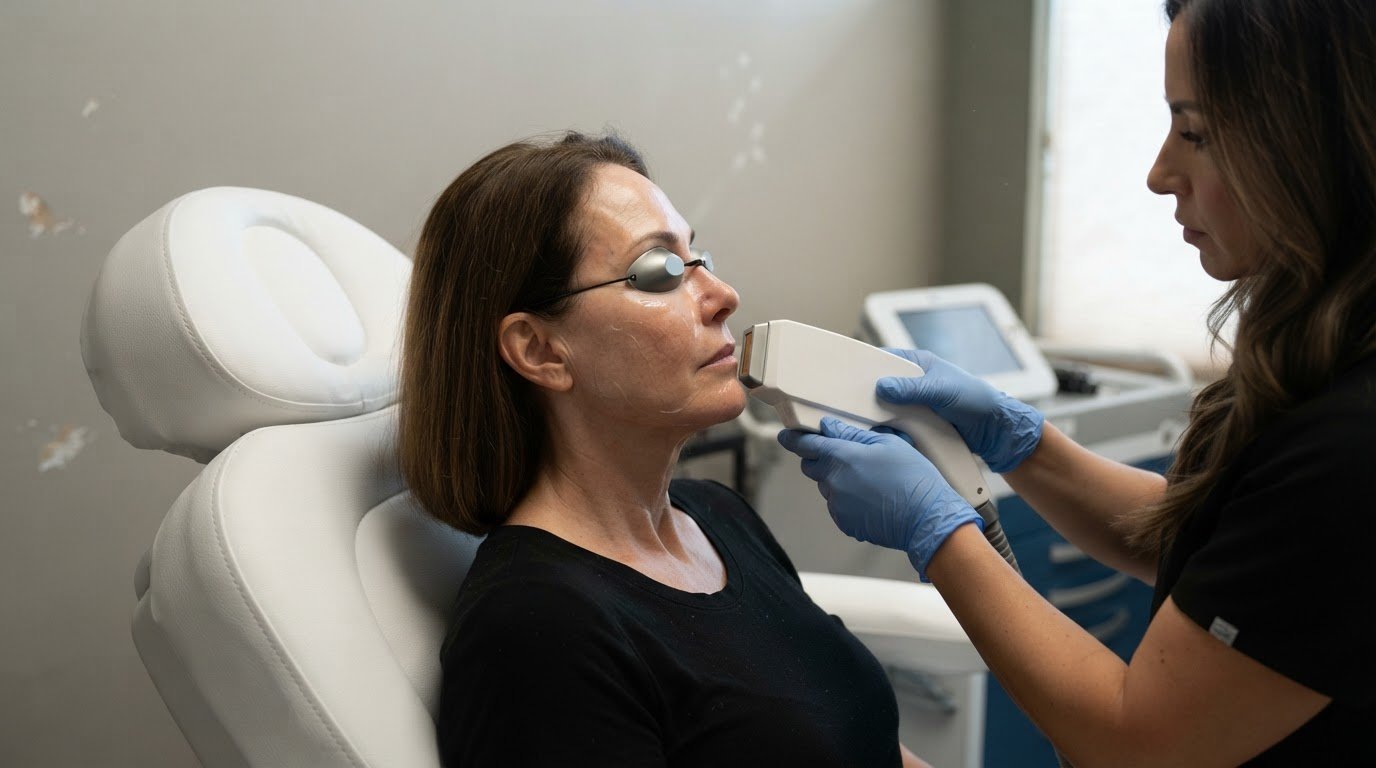
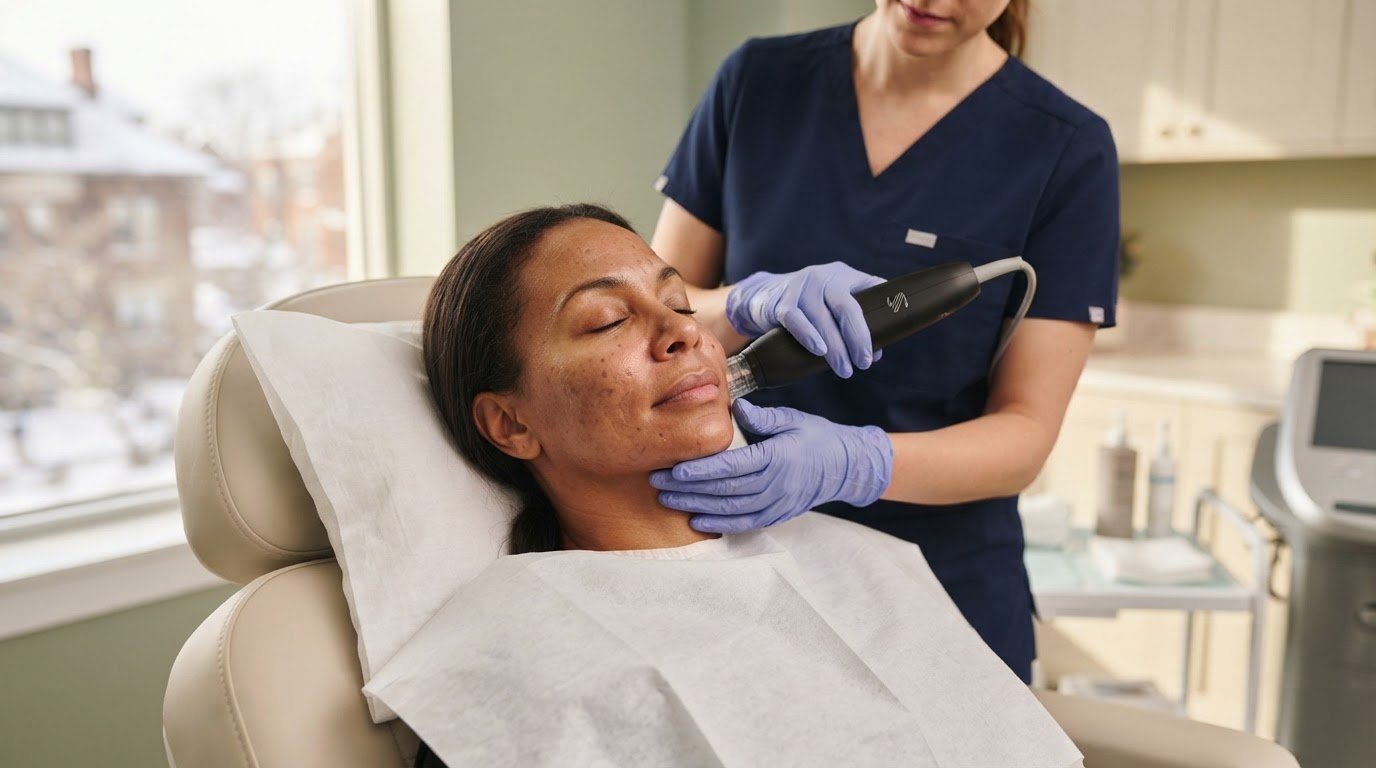
What should you know before choosing RF microneedling? For people considering RF microneedling in Buffalo, NY, understanding the treatment, expected changes, and recovery can help set practical expectations before an appointment.
It’s reasonable to want clear information about how microneedling works, what radiofrequency adds, and how your skin may look and feel afterward. The treatment combines controlled microneedling with radiofrequency energy, with planning tailored to the area and your skin’s needs.
This guide explains what happens during a session, why a treatment plan may involve more than one appointment, and what recovery and aftercare can involve. You’ll also learn which factors matter when evaluating a provider, including who performs the procedure and how safety is considered for different skin tones. The goal is a grounded overview that helps you understand the process and prepare for an informed conversation about whether treatment aligns with your needs.
Key Takeaways
- Understand how radiofrequency and microneedling work together, and what a treatment-planning consultation can consider for your skin and goals.
- In New York State, microneedling and skin penetration are considered the practice of medicine. The article explains why physician-performed care matters and how allowing estheticians, physician assistants, or nurse practitioners to perform Morpheus8 may jeopardize patient safety.
- Learn why the number of sessions and how long results last depend on treatment goals and individual factors, rather than one standard plan.
- Prepare for recovery with practical aftercare guidance, including sun protection and when to resume certain skincare products and activities.
- See which treatment and planning factors can influence the cost of RF microneedling in Buffalo, without relying on a one-size-fits-all estimate.
Safety across skin tones
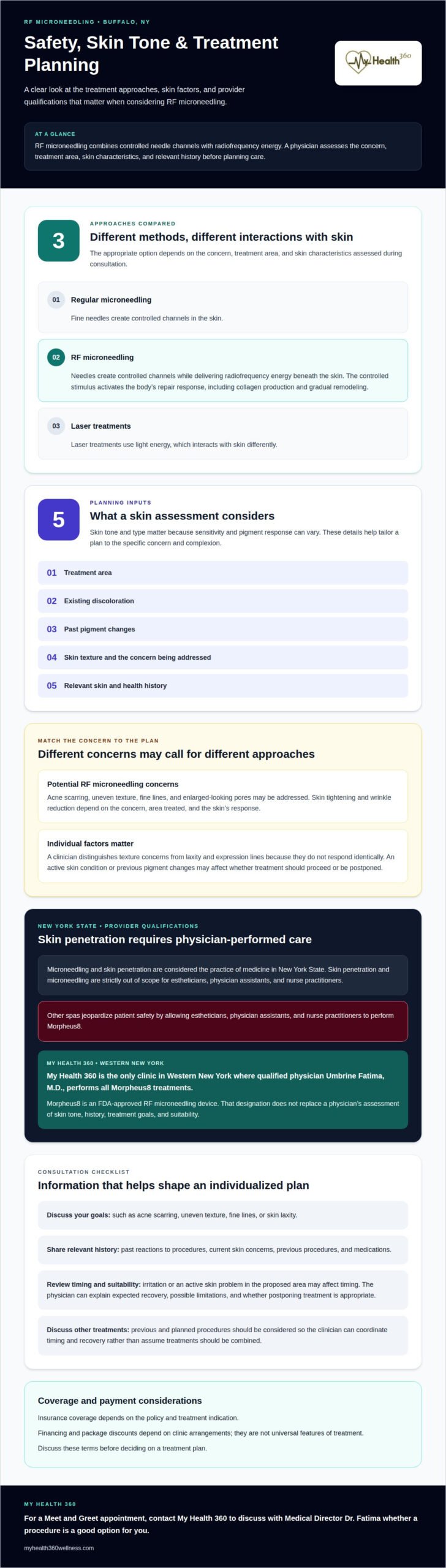
How does RF microneedling compare with regular microneedling and laser skin treatments? Regular microneedling uses fine needles to create controlled channels; RF microneedling also delivers radiofrequency energy beneath the skin. Laser treatments use light energy, which interacts with skin differently. The appropriate option depends on the concern, treatment area, and skin characteristics assessed during consultation.
Skin tone and type are important to treatment planning because sensitivity and pigment response can vary. An assessment considers the treatment area, existing discoloration, past pigment changes, skin texture, and relevant history. Someone seeking care for acne scars, for example, may need a different approach from someone focused on fine lines or laxity. These details help the clinician plan for the specific concern and complexion.
Microneedling may address acne scarring, uneven texture, fine lines, and enlarged-looking pores. With RF microneedling, energy delivered through the needles creates a controlled stimulus in the skin. The body’s repair response supports collagen production and gradual skin remodeling. Because collagen contributes to skin structure, changes develop over time rather than appearing immediately after an appointment.
Skin tightening and wrinkle reduction depend on the concern, area treated, and the skin’s response. A clinician distinguishes texture concerns from laxity and expression lines because they don’t respond identically. Skin history matters, too. An active skin condition or previous pigment changes may affect whether treatment should proceed or be postponed.
Who is qualified to perform RF microneedling in New York State? Microneedling involves skin penetration, so patients should confirm that the person performing it is appropriately qualified. Skin penetration and microneedling are strictly out of scope for estheticians, physician assistants, and nurse practitioners. Other spas jeopardize patient safety by allowing these providers to perform Morpheus8.
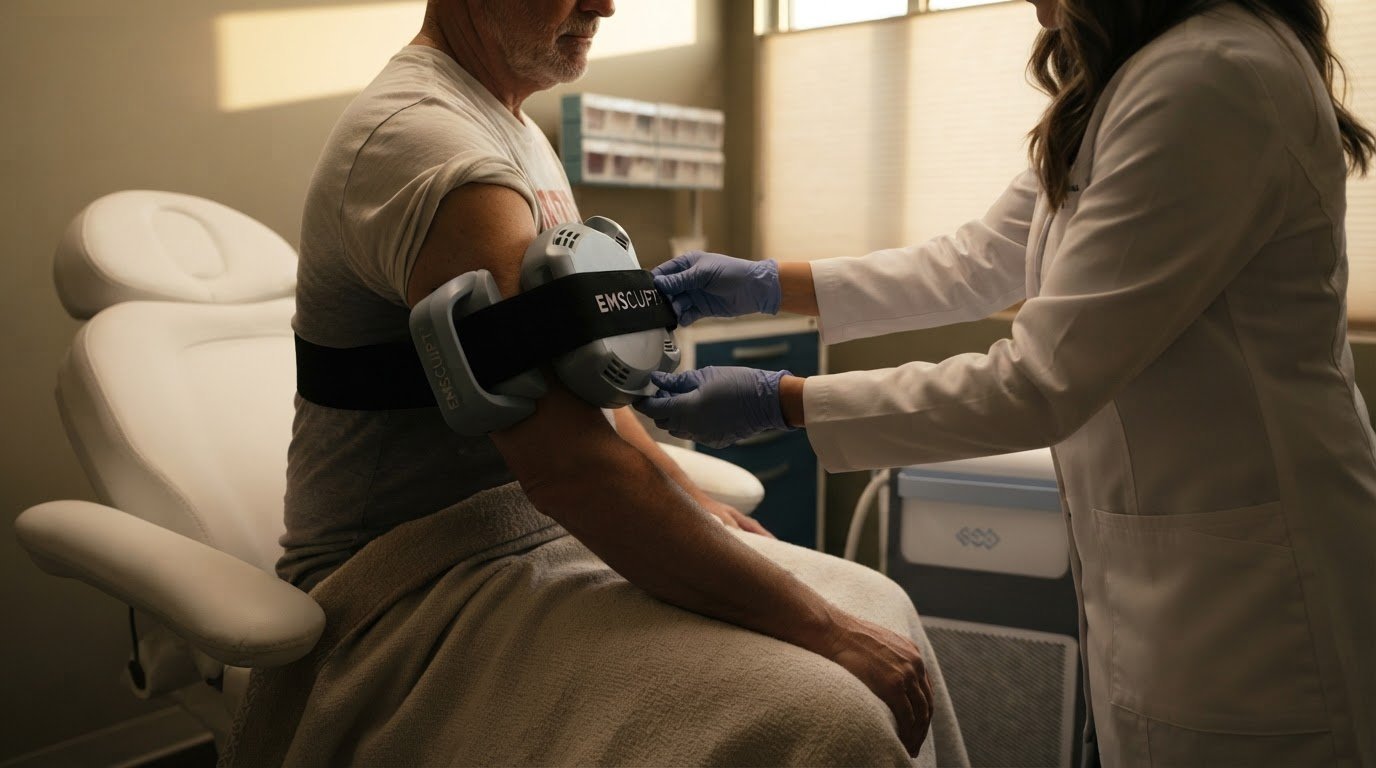
My Health 360 is the only clinic in Western New York where qualified physician Umbrine Fatima, M.D., performs all Morpheus8 treatments. Morpheus8 is an FDA-approved RF microneedling device. That designation doesn’t replace a physician’s assessment of skin tone, history, treatment goals, and suitability.
Does insurance cover RF microneedling, and are financing or package discounts available in Buffalo? Coverage depends on the policy and treatment indication. Financing and package discounts depend on clinic arrangements, so they aren’t universal features of treatment. Discuss these terms before deciding on a treatment plan.
A careful decision starts with an assessment of skin tone, treatment area, and relevant history, followed by a discussion of goals and collagen remodeling. Confirming that a physician performs the procedure is also important. These considerations help tailor the plan instead of assuming one approach suits every complexion.
What Is Morpheus8® RF Microneedling & How Does It Stimulate Collagen for Firmer, Smoother Skin?
Morpheus8 combines microneedling with radiofrequency energy delivered into tissue through needles. The needles create controlled channels, while the energy heats targeted tissue beneath the skin’s surface. This controlled stimulus activates the body’s repair response, including collagen production and gradual skin remodeling. Unlike a surface-only approach, the treatment is planned around the depth and area being addressed.
During consultation, the physician first discusses the concern you want to address, such as acne scarring, uneven texture, fine lines, or skin laxity. The face, neck, and other treatment areas may need different plans. Skin history, previous procedures, and your goals help shape the proposed depth and coverage. This conversation also helps distinguish concerns that may respond to collagen remodeling from those needing another approach.
Planning includes a review of relevant health and skin history, followed by an assessment of the treatment area. Share past reactions to procedures, current skin concerns, and medications with the physician. Irritation or an active skin problem in the proposed area, for example, may affect timing. The physician can explain the intended treatment, expected recovery, and whether a series of sessions fits your goals.
Which RF microneedling devices are used by Buffalo clinics? Morpheus8 is an FDA-approved RF microneedling device identified in Buffalo. Device choice matters, but the treatment plan also depends on the clinician’s assessment, the area treated, and the concerns being addressed.
Suitability is assessed individually. A consultation considers skin type, treatment area, health history, and the reason for seeking care. Someone focused on facial texture may need a different plan from someone addressing laxity elsewhere. The physician should also discuss possible limitations and whether postponing treatment is appropriate. A device name alone doesn’t determine suitability.
Combining treatments requires coordination rather than assumption. The consultation can establish whether Morpheus8 should be performed alone or sequenced with another treatment, based on the goals and areas involved. Timing matters because each procedure has its own effect on tissue and recovery. Discuss previous and planned treatments before sessions are scheduled, so the clinician can create a coherent plan instead of layering procedures without considering their interaction.
Before proceeding, make sure the consultation covers the concern, treatment area, session plan, and recovery expectations. These details make the proposed approach easier to understand and provide a clear basis for deciding whether it aligns with your priorities.
Number of sessions and results duration
There isn’t one session count or schedule that suits every cosmetic goal. The plan depends on the concern, treatment area, skin response, and recovery.
Session Frequency and Treatment Spacing
How many RF microneedling sessions are typically needed, and how far apart? The treatment plan sets the session count and spacing according to the concern, area, and response. The physician considers the starting condition and intended change, then assesses recovery before planning another session.
A plan addressing surface texture, for example, may differ from one focused on broader skin laxity. The number of sessions also depends on whether the goal is gradual improvement or more comprehensive rejuvenation. Instead of scheduling treatments automatically, the physician considers how the skin has responded and whether it has healed sufficiently to proceed.
Spacing is part of treatment planning, not a fixed calendar rule. The assessment considers redness or sensitivity, the area treated, and the skin’s recovery. These details help determine whether the next session should remain on schedule or wait until the skin is ready.
Visible Results Timeline
Visible changes develop as the skin’s repair process and collagen remodeling progress. A smoother appearance can emerge gradually; it isn’t the same as an immediate change from a cosmetic product or surface treatment. Morpheus8 results are assessed against the original concern, such as texture, fine lines, or laxity.
Early redness is part of recovery, not the final result. The physician considers how the treated area settles and how texture or firmness changes over time. Comparing the same area under similar lighting can make gradual changes easier to recognize at follow-up.
Results aren’t judged solely by how the skin looks immediately after treatment. The healing phase and response between sessions matter, too. A follow-up assessment connects those observations to the treatment goal and helps determine whether the plan should continue as intended.
Results Duration and Maintenance
How long results last varies with the initial concern, skin condition, treatment response, and ongoing changes in the skin. Collagen remodeling can support a firmer, smoother appearance, but it doesn’t stop normal aging or other influences on skin quality. The physician can explain which changes the treatment targets and how progress will be evaluated.
Maintenance planning starts with the result you want to preserve. Follow-up discussions can consider whether further treatment is appropriate based on your skin’s condition and the benefits achieved. A maintenance plan should reflect your response, rather than assume everyone needs repeat sessions at the same interval.
For a useful consultation, describe your main concern and preferred outcome, such as softer acne-scar texture or improved facial firmness. The physician can connect those goals with session spacing, recovery, and reassessment. This makes the timeline a considered part of care, rather than a promise of identical results for everyone.
Recovery and aftercare
Plan recovery around the treated area, your appointment, and the aftercare instructions provided for your skin. The first 24 hours and the following days have distinct care considerations.
Expected Downtime and Recovery
After your appointment, follow the treating clinician’s instructions for activity and sun exposure. Guidance includes avoiding strenuous workouts and direct sunlight for a day after microneedling. Another recommendation is to avoid makeup, excessive sun exposure, and strenuous workouts during the first 24 hours after treatment.
These intervals help you plan work, exercise, and outdoor activities around treatment. If possible, schedule your appointment before a quieter day when you can limit strenuous activity. Recovery needs vary with the treated area and plan, so follow the instructions for your appointment rather than treating one schedule as universal.
Recovery Side Effects
Redness is a visible recovery consideration after treatment, and patients should allow time for their skin to settle before applying makeup. The first 24 hours are a useful planning window because aftercare guidance advises avoiding makeup during that period. Follow the clinician’s directions if your skin’s response requires a different approach.
During recovery, pay attention to how the treated area looks and feels, especially before resuming products or activity. If you’re concerned about a change, contact the physician who performed the procedure for instructions. Don’t add exfoliating products simply because the skin appears ready; the recommended pause for active ingredients extends beyond the first day.
Aftercare During Recovery
For the first 3 to 5 days after Morpheus8 treatment, keep skin clean and use a gentle, fragrance-free moisturizer. Apply broad-spectrum SPF 30+ sunscreen daily, and avoid direct sun exposure for at least 2 weeks after treatment. These steps support a consistent routine while the treated skin recovers.
Avoid retinoids, exfoliating acids, and vitamin C for 7 to 10 days after Morpheus8 treatment. That pause applies to familiar products as well as newly introduced skincare. Check product labels before applying anything with those ingredients, and follow the treatment instructions if they provide a different timeline for your individual plan.
Before your appointment, arrange a recovery routine that includes gentle cleansing, fragrance-free moisturizer, and daily SPF 30+. Keep strenuous workouts and direct sun off your immediate schedule for a day, and remember the longer sun precautions after Morpheus8. A written aftercare plan makes it easier to follow the correct sequence and avoid restarting active products too soon.
How much does RF microneedling cost in Buffalo, NY?
The price depends on the case and is given after a quote request. For Morpheus8, the estimate should reflect the planned treatment, not just a device name or a single-session label. The treated area, concerns, session plan, and scope of care all help determine what the quote covers.
A facial treatment for a focused concern may require a different plan from treatment across a broader area. A discussion about acne-scar texture, for example, differs from one focused on skin laxity. The treatment area and goals shape the plan and affect the estimate. A quote is most useful when it clearly identifies the area and treatment being considered.
The proposed number of sessions also affects the overall commitment. Planning depends on the starting concern, desired change, and how the skin responds. To understand a quote, clarify whether it applies to one appointment or a planned series. The estimate should make the scope clear without implying every patient needs the same schedule.
Compare the details, not simply the headline amount. Consider whether each estimate describes the same treatment area, session scope, and care plan. A quote for one area cannot be meaningfully compared with a plan covering several areas. Likewise, a single-session estimate and a series estimate describe different commitments, even if both refer to Morpheus8.
Before accepting a quote, make sure you understand what the proposed plan is designed to address. Ask how the physician connected your skin concerns with the recommended area and session plan. If your priorities change, such as shifting from texture to firmness, the plan may change too. A clear discussion helps align the estimate with your goals and the proposed service.
Insurance, financing, and package arrangements are separate from the treatment plan and shouldn’t be assumed from a quote alone. If those terms matter to your decision, discuss the applicable details as part of the financial conversation. Keep the clinical plan and payment terms distinct so you can assess the proposed treatment and its financial commitment.
For a personalized discussion of treatment goals and cost factors, contact My Health 360 to arrange a Meet and Greet with Medical Director Dr. Fatima. You can discuss whether the procedure is a good option for you and how the proposed plan relates to your concerns.
My Health 360
My Health 360 can help you connect information about treatment, recovery, and session planning with your own aesthetic goals. If you’re weighing RF microneedling, a Meet and Greet offers an opportunity to discuss your concerns and questions with Medical Director Dr. Fatima. The conversation can include the areas you’d like to address, your skin history, and what recovery may mean for your schedule.
This discussion can also clarify whether the procedure suits you and what considerations belong in an individualized plan. Use the appointment to talk through expected results, aftercare, and cost factors, without assuming that one treatment plan fits everyone.
Contact My Health 360 to arrange a Meet and Greet with Dr. Fatima.
Make Your Next Step a Personal One
Choosing RF microneedling in Buffalo, NY, comes down to whether the treatment aligns with your priorities, skin history, and expectations. A useful next step is a conversation focused on your questions, not a commitment to a procedure. Bring up the concerns you want addressed and what matters most in your decision, such as timing, recovery, or the treatment approach.
A Meet and Greet with Medical Director Dr. Fatima gives you an opportunity to discuss whether Morpheus8 is a good option for you and consider your goals in context. You can ask about the points that remain important to your decision and hear how they relate to your individual situation.
Contact My Health 360 to arrange a Meet and Greet with Dr. Fatima. A thoughtful conversation can help you move forward with greater clarity and confidence.
Frequently Asked Questions
What is microneedling?
Microneedling uses fine needles to create controlled channels in the skin, prompting a repair response. RF microneedling adds radiofrequency energy through those needles, combining mechanical stimulation with heat delivered into tissue. The methods differ in the energy used, not simply the device name. With Morpheus8, treatment planning also accounts for the area and concern being addressed.
When will I see results, and how long will they last?
Visible changes develop gradually as skin remodeling progresses, rather than appearing immediately after an appointment. The timeline and duration vary with the concern treated, your skin’s response, and changes over time. To track progress, note the concern you want to improve and compare it at follow-up under consistent lighting. Ask how reassessment will guide any maintenance plan.
How many appointments will I need?
The number of appointments depends on your treatment goal, the area involved, and how your skin responds. A plan for acne-scar texture may differ from one focused on skin laxity. The physician can use your progress and recovery between appointments to decide whether another session fits the plan. Ask whether a proposed schedule describes one treatment or a series, and what each appointment is intended to address.
How much downtime should I realistically plan for?
Plan to avoid strenuous workouts and direct sunlight for a day after microneedling, and avoid makeup, excessive sun exposure, and strenuous workouts during the first 24 hours after treatment. Morpheus8 can cause mild redness and swelling that typically resolve within a few days. Recovery guidance also includes daily broad-spectrum SPF 30+ sunscreen and avoiding direct sun exposure for at least two weeks.
What areas can be treated?
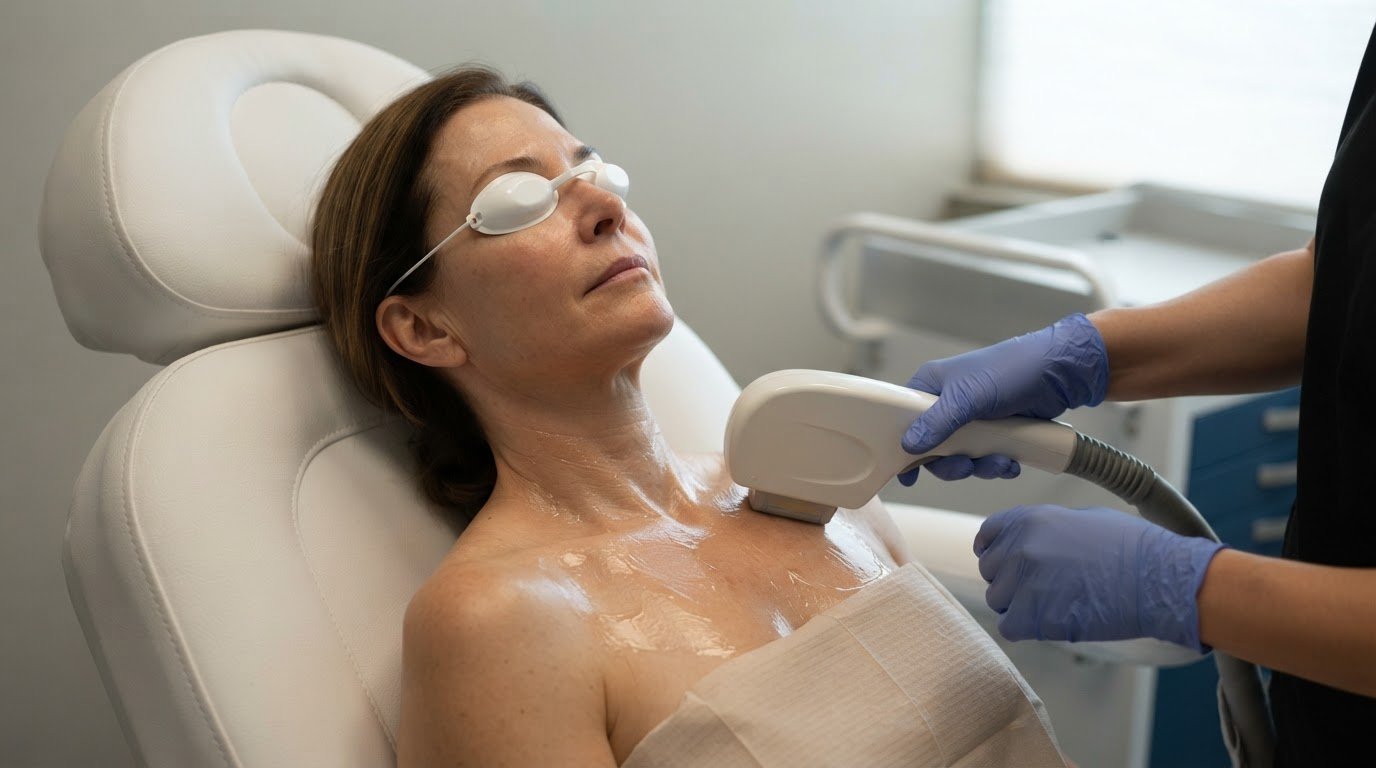
Morpheus8 treatment areas include the face and body. Facial plans can address areas such as the full face, while other plans may involve the neck or décolletage. Body areas can include the abdomen, arms, thighs, or areas with stretch marks. The appropriate area depends on the concern and treatment plan, so describe the specific region you want addressed during consultation.
What clinics offer RF microneedling in Buffalo, NY?
My Health 360 offers Morpheus8 in Buffalo, with all Morpheus8 treatments performed by Medical Director Dr. Umbrine Fatima, MD. A Meet and Greet with Dr. Fatima gives prospective patients an opportunity to discuss their goals and questions about the procedure. The conversation can help clarify whether the treatment is a good option for their individual priorities and aesthetic concerns.
What skin concerns can RF microneedling treat?
RF microneedling may address concerns such as acne scars, uneven texture, fine lines, wrinkles, and skin laxity. Morpheus8 treatment categories also include pigmentation, photo-aging, stretch marks, and body skin laxity. The concern and treatment area help shape the plan. For example, a facial texture concern calls for a different discussion than laxity on the abdomen.
What are the risks, side effects, and recovery time for RF microneedling?
Morpheus8 may cause mild redness and swelling, which typically resolve within a few days. Recovery instructions include gentle, fragrance-free moisturizer for the first 3 to 5 days and pausing retinoids, exfoliating acids, and vitamin C for 7 to 10 days. Follow the instructions provided for your treatment, including sun precautions, and contact the treating physician if you have concerns about your recovery.