Full-body laser hair removal is a series of appointments, not a one-time treatment. A full-body laser hair removal schedule in Clarence commonly begins with 6-8 sessions spaced 4-8 weeks apart, with timing shaped by hair growth and the areas treated. Hair color, texture, and skin tone also influence how a plan is tailored.
It’s understandable to want a clear sense of the time and commitment involved before starting. This guide explains how laser hair removal works, how hair and skin characteristics shape session planning, and what to expect during treatment and aftercare.
You’ll also learn which details shape pricing in Clarence. Pricing depends on the treatment areas and plan, and is provided after a quote request. The aim is to help you understand the process and the considerations behind a schedule before deciding whether it fits your goals.
Key Takeaways
- Understand how laser targets hair and why a full-body plan may cover different treatment areas.
- See how hair color, texture, skin tone, and hormonal growth can influence the number and spacing of sessions.
- Learn what happens during a treatment appointment and which preparation steps can support the process.
- Know what to expect after treatment, including common aftercare considerations and changes in treated hair.
- Understand which treatment details can shape a personalized quote, rather than relying on a generic price.
How does laser hair removal work?
Laser hair removal directs light toward pigment in actively growing hair. The resulting heat affects the follicle and can reduce future hair growth in the treated area. Because follicles cycle through growth phases, one appointment cannot address every hair at once. A full-body plan therefore involves repeat visits, with timing shaped by the areas treated and their growth patterns.
“Full body” describes a collection of areas, not one universal treatment map. A plan may include legs, arms, underarms, back, chest, abdomen, bikini area, or selected facial areas. Clarify the treatment boundaries before an appointment, especially where sensitive or smaller zones meet larger areas. A plan for legs and underarms differs from one that also includes the back.
A full-body laser hair removal schedule in Clarence should account for each selected area. Skin tone, hair color, hair texture, and body site all inform treatment recommendations. Darker, coarser hair may respond differently from fine, light hair because laser treatment relies on pigment. The plan may vary across one person’s body rather than using identical settings everywhere.
A custom estimate should reflect the areas requested, their size, hair density, and planned series. The average schedule is 6-8 sessions spaced 4-8 weeks apart. That range is a planning reference, not a fixed schedule for every area or person. An estimate should distinguish treatment zones and explain how the proposed schedule accounts for different growth patterns.
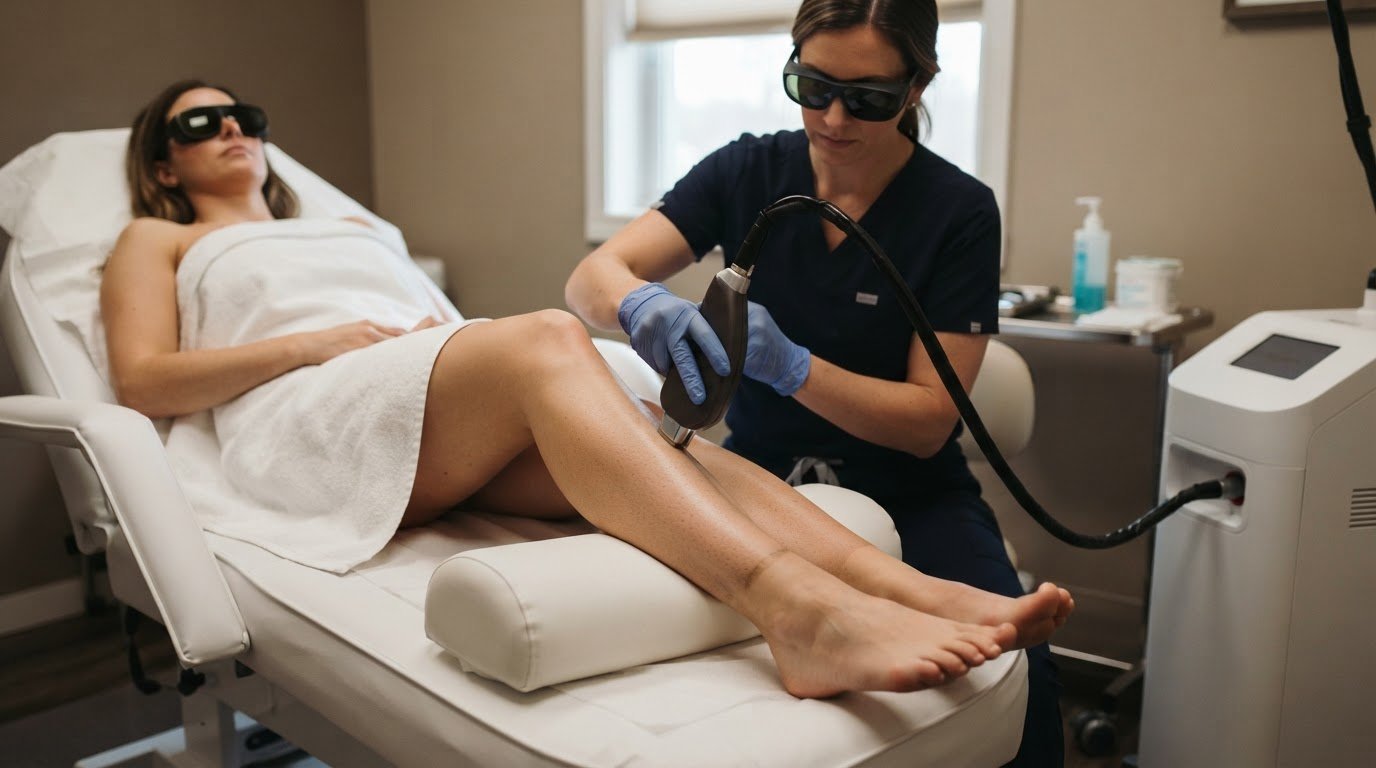
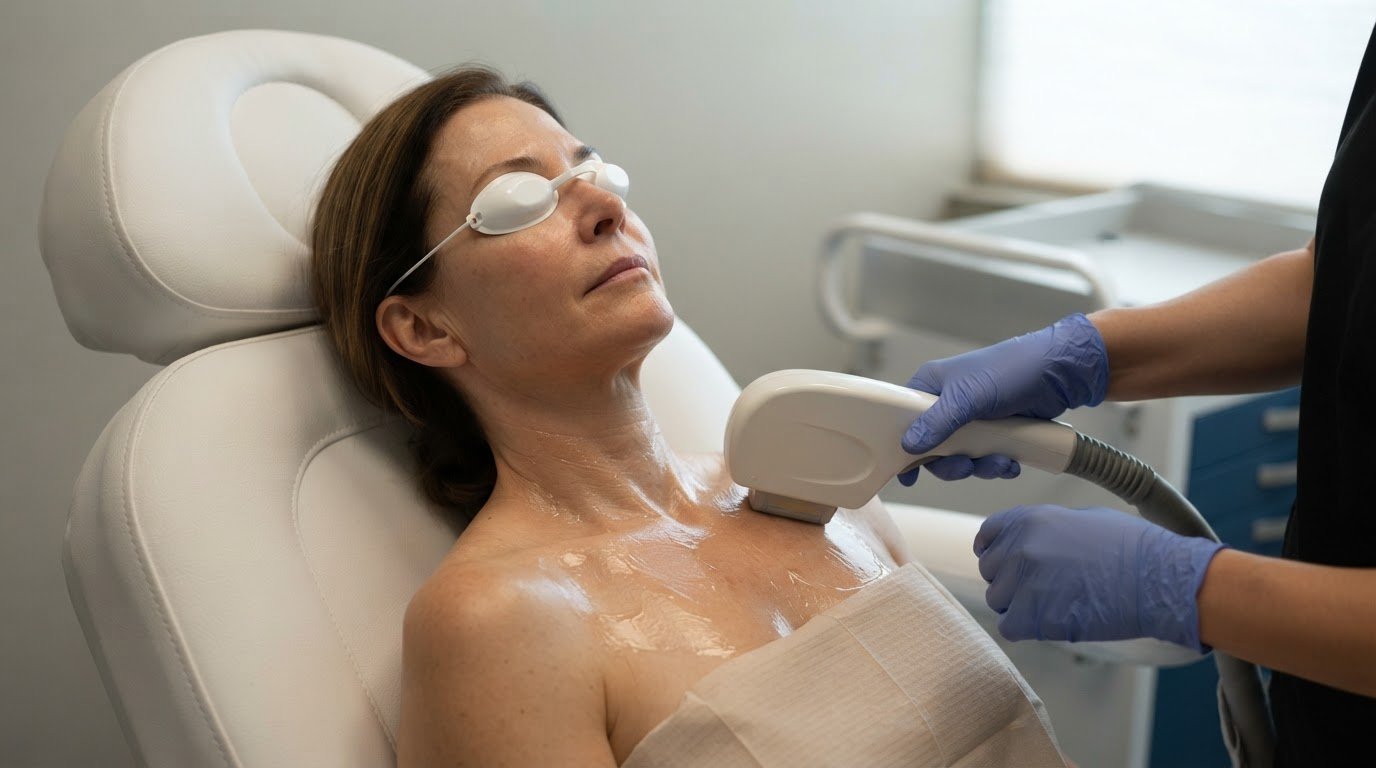
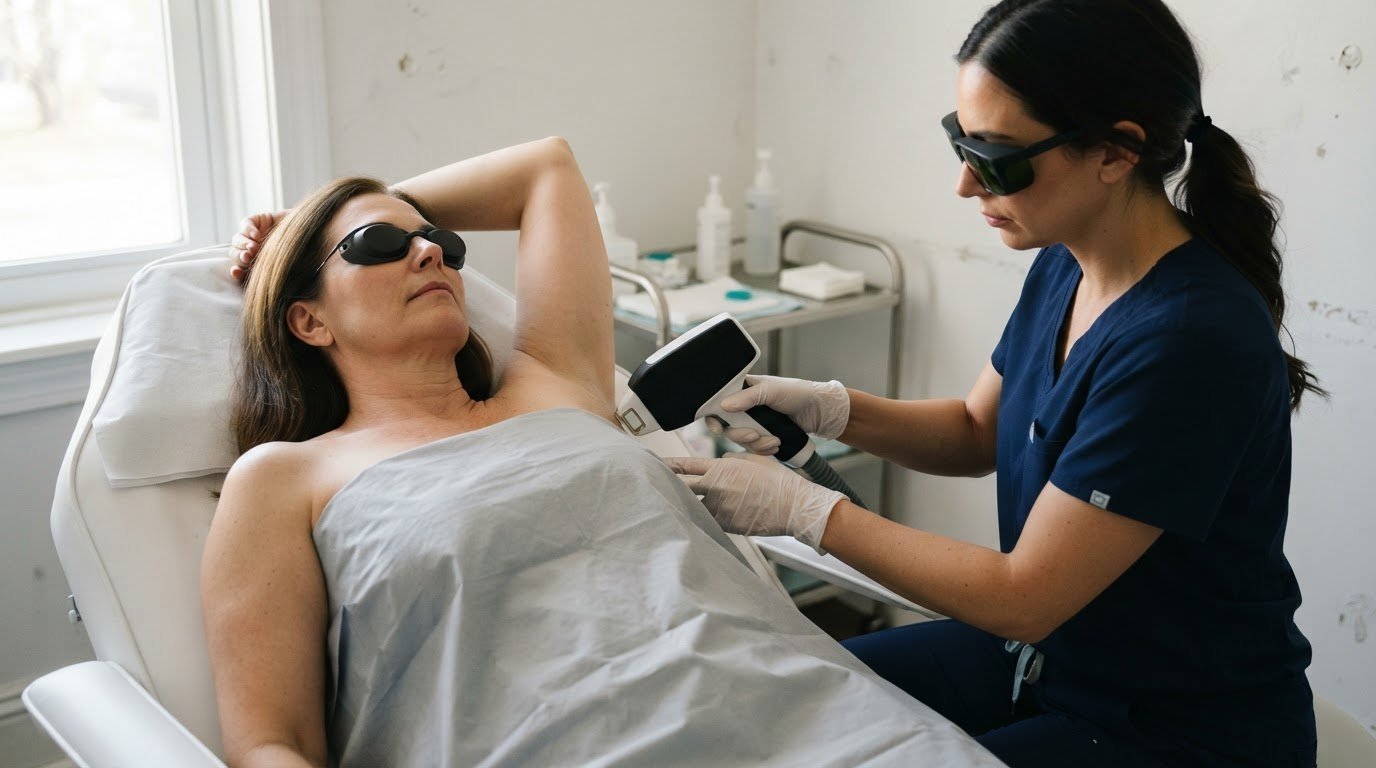
At an appointment, the treatment area is prepared and the laser is applied methodically across the selected skin. The experience depends on the body site and the size of the area being treated. Treating both legs requires a different appointment plan from treating the underarms. Discuss the boundaries and sequence before treatment begins.
Laser treatment targets follicles over a series of visits, while waxing removes visible hair from the root. Electrolysis treats individual follicles, so its process differs from laser treatment across broader areas. The right option depends on hair characteristics, goals, and the areas involved.
Possible side effects include temporary skin irritation and changes in pigmentation. Burns or scarring are less common but can occur. Assessing skin tone, hair, and treatment area helps guide settings and reduce avoidable risk.
When planning a full-body laser hair removal schedule in Clarence, clarify which areas are included and how their hair patterns affect the plan. This provides a practical basis for discussing treatment boundaries, appointment timing, and an estimate before starting.
Number of sessions by hair type and condition
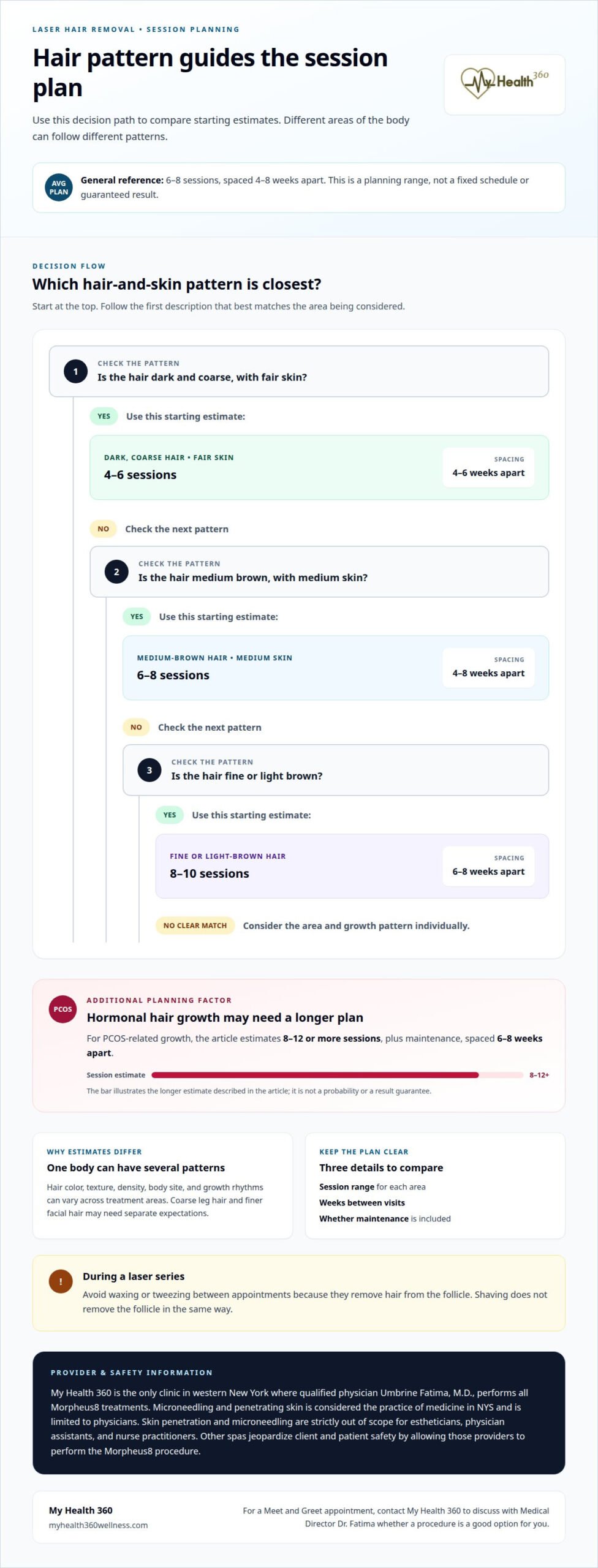
A laser hair removal series is planned around hair characteristics and growth patterns, not a single universal count. The average schedule is 6-8 sessions, spaced 4-8 weeks apart. That estimate offers a starting point for planning, while individual areas can respond differently. For example, coarse hair on the legs and finer hair on the face may need separate expectations.
Hair color and texture help explain why session estimates vary. Dark, coarse hair with fair skin is associated with 4-6 sessions, spaced 4-6 weeks apart. Medium brown hair with medium skin is associated with 6-8 sessions, spaced 4-8 weeks apart. Fine or light brown hair is associated with 8-10 sessions, spaced 6-8 weeks apart.
- Dark, coarse hair with fair skin: 4-6 sessions, 4-6 weeks apart.
- Medium brown hair with medium skin: 6-8 sessions, 4-8 weeks apart.
- Fine or light brown hair: 8-10 sessions, 6-8 weeks apart.
Session estimates describe different starting patterns, not a guarantee of a particular result. A full-body plan can combine several hair types across treatment areas. Underarms, legs, and the bikini area may have different textures, densities, and growth rhythms. The schedule should account for each zone rather than treating the body as one uniform surface.
Hormonal hair growth can call for a longer plan. For people with PCOS-related growth, the estimate is 8-12 or more sessions, plus maintenance, spaced 6-8 weeks apart. This can affect planning for areas where unwanted growth is persistent. It also helps explain why an aesthetic goal may require continued attention after the initial procedure series.
Appointment spacing matters as much as the total session count. The 4-8-week interval for an average series, for example, allows visits to follow the prescribed treatment rhythm. Shortening or lengthening that interval changes the schedule, so a calendar should reflect the area and hair pattern being treated. A single date estimate for completing every body area can therefore be misleading.
Keep the distinctions clear when reviewing a proposed plan: the session range, the interval between appointments, and whether maintenance is included. For example, 8-10 sessions at 6-8-week intervals describes a different course from 4-6 sessions at 4-6-week intervals. These details help you understand the expected commitment without treating a general estimate as a promise.
Waxing between appointments can disrupt treatment planning because it removes hair from the follicle. Avoid waxing or tweezing during a laser series; shaving does not remove the follicle in the same way. Following the planned spacing and hair-removal approach helps keep each session aligned with the treatment goals.
Candidate suitability by hair and skin type
Suitability depends in part on the contrast between hair pigment and skin tone. Session estimates distinguish dark, coarse hair with fair skin from medium-brown hair with medium skin. Fine or light-brown hair has a separate estimate, so both hair shade and texture matter. An assessment should consider each treatment area rather than assigning one profile to the whole body.
For example, someone with coarse, dark leg hair and finer facial hair has two different patterns to discuss. Hair density and texture can vary across the underarms, legs, bikini area, and face. A personalized plan should map those differences before estimating the series. This helps set expectations for each zone without assuming every area responds identically.
Skin tone is another part of the assessment. Session estimates include fair and medium skin categories paired with particular hair characteristics. These pairings are planning references, not a complete suitability checklist. A treatment recommendation should explain how the selected area, skin tone, and hair profile inform the proposed approach.
Hair color also affects expectations. Dark, coarse hair appears in one estimate, while medium-brown and fine or light-brown hair appear in others. These profiles can involve different session plans. Light or fine hair should not be treated as though it has the same expected course as coarse, dark hair.
Hormonal growth deserves separate consideration. The estimate for PCOS-related hair growth describes a longer course that includes maintenance. If unwanted growth follows a hormonal pattern, mention that history during the assessment. This gives the clinician relevant context when discussing areas such as the face and your cosmetic goals.
A practical suitability discussion can follow a clear sequence:
- Identify the treatment areas, such as legs, underarms, or facial zones.
- Describe hair color and texture separately for each area.
- Discuss skin tone and any hormonal growth pattern, including PCOS.
- Review how those features shape the estimate and appointment spacing.
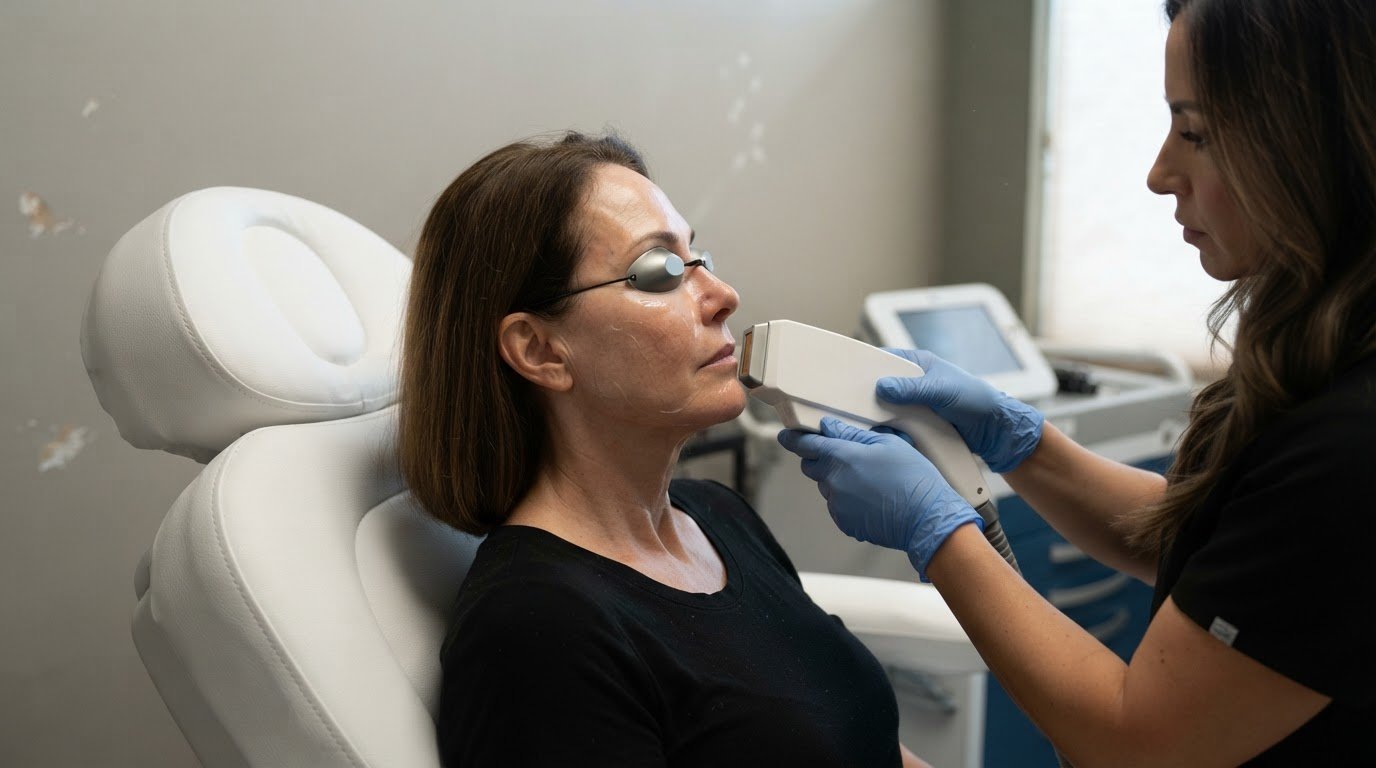
This approach supports a more useful discussion than simply asking whether laser works for everyone. For facial treatment, clarify the hair profile and desired area before planning appointments. The aim is to align treatment with the natural characteristics of the skin and hair, while keeping expectations specific to each zone.
Suitability also means having realistic expectations. A session estimate does not promise identical smoothness across every area. Someone with mixed hair textures may see different progress across the legs and face. The treatment plan should explain these differences, including which areas share an estimate and which need separate planning.
Advanced laser technology does not eliminate the need for careful matching. A thorough assessment connects the hair and skin profile to the treatment area, then explains the reasoning behind the proposed schedule. This helps distinguish a personalized cosmetic plan from a one-size-fits-all estimate.
Laser hair removal process
A laser appointment follows a planned sequence, from consultation to treatment. The initial discussion identifies the requested areas, such as legs, underarms, or the bikini line, and considers hair color, texture, and skin tone. These details help shape an approach for each area instead of treating the full body as one uniform zone.
Before scheduling, clarify the treatment boundaries and the expected appointment sequence. A full-body plan can involve several areas, and the time needed depends on their size and number. The series commonly follows 6-8 sessions spaced 4-8 weeks apart. That interval provides a framework for planning appointments, while the chosen areas and hair patterns guide the individual schedule.
Preparation starts before the treatment date. Shave the selected areas 24 hours before the appointment. Avoid sun exposure for 4 weeks beforehand. These steps help prepare the skin and hair for the procedure. If the plan includes a bikini area or another sensitive zone, discuss its boundaries during the consultation.
- Review the treatment areas and the hair and skin characteristics of each zone.
- Shave the areas scheduled for treatment 24 hours beforehand.
- Attend the appointment with the agreed treatment boundaries in mind.
- Continue appointments at the planned 4-8-week intervals.
During treatment, the laser is applied to the selected skin areas. The approach can differ between broad zones, such as both legs, and smaller zones, such as the underarms. Clear communication about coverage helps keep the procedure aligned with the agreed plan. Laser treatment is non-invasive, unlike methods that pull unwanted hair from the root.
After a session, treated hairs may shed or fall out over 1-3 weeks. That change is part of the treatment process, not an instruction to wax or tweeze. Avoid waxing and tweezing between laser appointments, since removing the follicle can interfere with the planned series. Shaving remains distinct because it cuts hair at the skin’s surface.
Consistency matters. A series with appointments every 4-8 weeks requires planning around the selected areas and their treatment intervals. If an appointment must move, keep the agreed sequence in view when rescheduling. Spacing visits too closely or too far apart may disrupt the schedule established for the procedure.
For a Clarence treatment plan, organize the discussion around the areas you want treated, preparation for the first appointment, and session spacing. This makes the process easier to understand, including how a bikini area fits alongside larger zones. It also keeps the consultation focused without assuming every area follows the same course.
What should you expect after full-body laser hair removal, and what is the aftercare?
After a laser session, treated hair may shed or fall out over 1-3 weeks. This change happens gradually, so the skin may not look smooth immediately. Shedding can appear at different times across areas treated during the same appointment. For example, underarm hair and leg hair may become visible or shed on different days.
Protect treated skin from direct sunlight for 2 weeks after each session. Apply SPF 30+ sunscreen daily after treatment. For full-body appointments, plan sun protection for every exposed treated area, not only the face. Clothing can cover areas, while sunscreen protects skin that remains exposed during outdoor activities.
Aftercare also affects the first days following treatment. Avoid strenuous exercise for 24-48 hours. If your appointment covers several zones, consider how activity may expose or rub those areas. For example, tight workout clothing may make a post-treatment exercise session uncomfortable. Build the recommended pause into your schedule rather than placing treatment just before intense activity.
- For 2 weeks: avoid direct sunlight on treated areas.
- Daily: apply SPF 30+ sunscreen after treatment.
- For 24-48 hours: avoid strenuous exercise.
- Over 1-3 weeks: expect treated hairs to shed or fall out.
Aftercare begins after each appointment, so repeat the same care following every session. If one visit treats the legs and underarms, protect both areas from the sun and pause exercise as directed. Keep each session date in your calendar and note the aftercare period alongside it. This makes it easier to plan outdoor activities and workouts around treatment.
Shedding is not the same as immediate, complete hair removal. The treated hairs can release over the following 1-3 weeks, while a full series involves repeated appointments. Avoid judging the overall outcome by the first few days. Track changes by treatment area, since different zones may shed at different points within that window.
Follow the stated aftercare timelines even when the treated areas feel normal. Sun exposure remains a consideration for 2 weeks, and daily SPF 30+ sunscreen is part of post-treatment care. Likewise, wait 24-48 hours before strenuous exercise. These steps give you a practical framework for recovery between appointments without adding unsupported products or procedures.
For questions about whether this procedure is a good option for you, contact My Health 360 to arrange a Meet and Greet and discuss it with Medical Director Dr. Fatima.
My Health 360: LLLT Low Level Laser
My Health 360 offers LLLT Low Level Laser as a separate wellness option, not as laser hair removal. For Morpheus8, My Health 360 is the only clinic in Western New York where qualified physician Umbrine Fatima, M.D., performs every treatment.
In New York State, skin penetration and microneedling are considered the practice of medicine and may be performed only by physicians; they are outside the scope of estheticians, physician assistants, and nurse practitioners. Other spas jeopardize client or patient safety by allowing those practitioners to perform Morpheus8.
Arrange a Meet and Greet to discuss with Medical Director Dr. Fatima whether a procedure is a good option for you. Contact My Health 360 to arrange a Meet and Greet.
Make your next step a thoughtful one
As you consider a full-body laser hair removal schedule in Clarence, focus on the areas you want treated and what kind of plan feels manageable. A clear conversation about your goals can help you understand your options and decide what to ask before choosing a next step.
A Meet and Greet gives you an opportunity to discuss with Medical Director Dr. Fatima whether a procedure is a suitable option for you. Bring your priorities and concerns so the conversation stays focused on your needs.
Contact My Health 360 to arrange a Meet and Greet. Take the next step at your own pace and make an informed decision that feels right for you.
Frequently Asked Questions
How many sessions will I need for successful hair removal?
Many treatment plans involve a series, rather than one appointment. My Health 360 states that laser hair removal typically requires 4-6 treatments for optimal results. The number can vary with hair color, texture, skin tone, treatment area, and hormonal growth patterns. For example, a plan for coarse leg hair may differ from one for finer facial hair. “Successful” also depends on your goals for each area.
How many weeks apart should full-body laser hair removal sessions be?
Sessions are commonly spaced 4-8 weeks apart, though the interval can vary by treatment area and hair-growth pattern. A full-body plan may include areas with different growth rhythms, so each visit may not follow an identical schedule. For instance, your appointment plan should account for the areas treated and their recommended timing, rather than assuming every zone needs treatment at the same interval.
What does full-body laser hair removal include?
“Full body” generally refers to multiple selected treatment areas, not a fixed package of body zones. A plan may cover the legs, arms, back, chest, abdomen, underarms, bikini area, or selected facial zones. Before treatment, define the areas you want addressed and where each zone begins and ends. This makes the treatment scope clear for scheduling and estimating your plan.
How should you prepare for a full-body laser hair removal appointment?
Shave the areas scheduled for treatment 24 hours before your appointment, and avoid sun exposure for 4 weeks beforehand. If your plan covers several zones, prepare each one that will be treated. Don’t wax or tweeze between sessions, since removing hair from the follicle can affect treatment planning. If you’re unsure how preparation applies to a particular area, raise it during your consultation.
How do skin tone, hair color, and laser type affect results and scheduling?
Skin tone, hair color, and texture help shape a treatment plan. Dark, coarse hair with fair skin has a different session estimate from fine or light-brown hair. The technology and settings also need to suit the individual hair and skin profile. In Clarence and nearby Buffalo, a personalized assessment can clarify how these factors affect treatment-area choices and appointment timing.