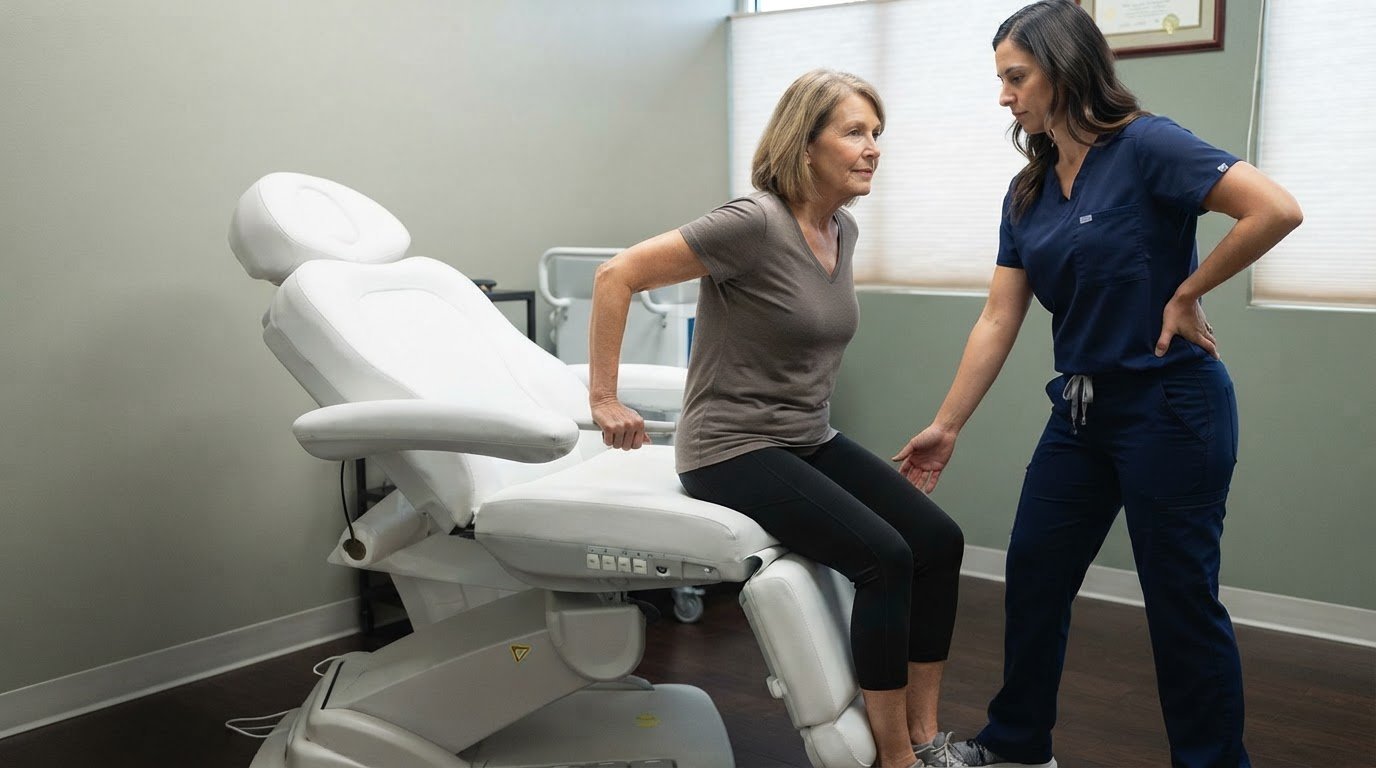

What if persistent fatigue, brain fog, or difficulty tolerating exercise calls for a broader assessment rather than a single explanation? Mitochondrial health therapy in Williamsville, NY, may involve considering how cellular energy production relates to symptoms while also reviewing lifestyle, nutrition, stress, toxin exposure, and medical history. These concerns can have many possible causes, so a mitochondrial-focused approach is one part of a wider health assessment, not a diagnosis based on symptoms alone.
If you’re looking for clarity, this article explains how an evaluation may consider your health history, current symptoms, and previous treatments, and why those details matter alongside daily habits. You’ll learn what mitochondrial assessment and restoration can involve, how fatigue, brain fog, and exercise intolerance may be explored, and what to understand before considering a personalized care plan. The goal is a measured view of the possibilities, with attention to your overall health rather than a promise of a particular outcome.
Key Takeaways
- A thoughtful assessment can consider symptoms alongside medical history, prior treatments, nutrition, stress, lifestyle, and possible toxin exposure.
- Fatigue, brain fog, and exercise intolerance can have multiple explanations, so symptoms alone don’t establish a mitochondrial problem.
- Understanding how mitochondria contribute to cellular energy can help put these symptoms in context without treating one explanation as certain.
- Assessment and restoration approaches may involve reviewing health information and tailoring next steps; cost depends on the individual plan and its components.
- Contact My Health 360 to arrange a Meet and Greet and discuss with Medical Director Dr. Fatima whether a procedure may be a good option for you.
Lifestyle, medical history, nutrition, stress, and toxin exposure
A useful assessment starts with a timeline, not a single symptom. A physician can review current concerns, medical history, and previous treatments together. Bring examples such as afternoon fatigue, unrefreshing sleep, or reduced exercise tolerance. Note when each symptom began and what seems to change it. This context helps distinguish patterns from isolated difficult days and gives the clinician a clearer basis for discussing possible next steps.
Daily routines add important context. Record sleep timing, meals, hydration, activity, and periods of elevated stress. For example, note whether brain fog follows missed meals or demanding workdays. Nutrition matters because inadequate intake or an unbalanced diet can affect general energy and nutrient status. A clinician can consider these details alongside medications, supplements, and relevant health conditions. Don’t start supplements or restrictive diets for suspected mitochondrial concerns without medical guidance.
Exposure history can be specific without assuming a cause. Note workplace chemicals, household products, smoking exposure, and major changes in your living or work environment. Include when exposure occurred and whether symptoms changed afterward. These details help a physician decide whether an exposure warrants further discussion. A reported exposure alone does not establish that it caused fatigue or impaired cellular energy.
Safety depends on considering any proposed approach alongside conventional medical care. Share current prescriptions, supplements, diagnoses, and ongoing treatment with your physician. Don’t stop prescribed medicine or delay an evaluation for persistent or worsening symptoms to pursue a wellness protocol. A coordinated discussion can clarify which concerns need conventional investigation and whether complementary measures fit your broader care plan.
When comparing local options for mitochondrial health therapy, review the treating physician’s credentials, relevant experience, assessment process, and explanation of proposed testing. Ask how findings would shape care and how conventional treatment fits. Buffalo Regenerative Medicine in Williamsville, NY, is a name readers may encounter, but a practice name alone doesn’t establish its credentials or services. Holistic family medicine in Williamsville may consider lifestyle and medical history broadly; ask whether the clinician can explain the specific mitochondrial assessment being discussed.
Insurance coverage for mitochondrial testing or treatment in New York isn’t uniform. A plan may handle physician visits, diagnostic testing, and treatment differently, so coverage for one service doesn’t establish coverage for another. Before proceeding, identify the specific service and billing details, then review how your policy treats them. This can help you understand potential out-of-pocket responsibility without assuming every mitochondrial-related service receives the same benefit.
Microplastic exposure may come up in an exposure-history discussion, but it does not by itself identify the source of an individual’s symptoms or establish a cause. The page states that the average person ingests and inhales tens of thousands of microplastic particles every year. These figures may be useful to raise during an exposure-history discussion, but they do not by themselves identify the source of an individual’s symptoms or establish a cause.
Fatigue, brain fog, and exercise intolerance
Fatigue can mean more than feeling tired after a demanding day. Some people describe low energy that persists, returns unpredictably, or disrupts ordinary routines. Track the pattern: note when it starts, how long it lasts, and what activities came before it. For example, record whether grocery shopping leaves you drained or whether rest changes how you feel. A symptom log gives a physician concrete details instead of a broad label such as “tired.”
Brain fog may involve trouble concentrating, recalling details, or completing familiar tasks. Describe a specific example, such as rereading the same email several times or losing track during a conversation. Note whether it appears alongside fatigue, follows poor sleep, or varies across the day. This information helps frame a consultation, but brain fog alone doesn’t identify a cause. A clinician can consider it alongside your health history and other symptoms.
Exercise intolerance can look like reduced stamina during an activity you previously managed. You might need more breaks on a familiar walk or feel unusually depleted after routine chores. Record the activity, symptoms during or afterward, and how recovery compares with your usual experience. For people considering mitochondrial health therapy in Williamsville, NY, these details help guide a focused conversation without treating one difficult workout as proof of a mitochondrial problem.
Chronic fatigue, cognitive changes, and reduced exercise capacity can overlap, but they don’t point to one explanation by themselves. Sleep disruption, medication effects, and other health concerns may also matter. Inflammatory conditions are another topic to discuss when relevant to your history, not a conclusion drawn from fatigue alone. Share existing diagnoses, current treatments, and changes in daily function so the clinician can consider mitochondrial health among broader possibilities.
For a practical consultation, organize observations under three headings: energy, concentration, and activity tolerance. Add examples, symptom timing, and any changes in routine. Include questions about what the assessment can clarify and how findings relate to your ongoing medical care. This creates a focused conversation without assuming a particular diagnosis or treatment. To discuss mitochondrial health therapy in Williamsville, NY, contact My Health 360 for a Meet and Greet and speak with Medical Director Dr. Fatima about whether a procedure may be a good option for you.
Mitochondria and cellular energy production
Mitochondria help convert energy from nutrients into adenosine triphosphate, or ATP. Cells use ATP for processes such as muscle contraction, nerve signaling, and maintaining basic function. Mitochondria produce about 90% of cellular ATP. That figure describes their central role in energy production, not a direct measure of any person’s health. A cell’s energy needs also vary by tissue and activity. For example, working muscles require energy to contract, while nerve cells need it to communicate.
The brain has substantial energy needs relative to its size. It accounts for about 2% of body weight while consuming about 20% of total energy. This helps explain why energy production matters for complex tasks, including attention and memory. It doesn’t mean brain fog proves mitochondrial dysfunction. A symptom such as difficulty concentrating has multiple possible explanations. Clinicians consider its timing, severity, and relationship to other symptoms before drawing conclusions.
ATP production involves coordinated steps within cells. Nutrients are processed, and mitochondria use the resulting molecules to support energy conversion. Oxygen availability and the cell’s metabolic demands also shape these processes. During a walk, for instance, muscle cells need energy as activity continues. A change in stamina can prompt questions about several aspects of health, rather than pointing automatically to one primary cause. The body’s energy systems work together, and symptoms need context.
A 20-30% decline in mitochondrial function can have profound downstream effects on energy, cognition, and metabolism. This describes a potential relationship, not a diagnostic threshold for an individual. The percentage alone cannot establish that someone’s fatigue or cognitive symptoms arise from mitochondrial changes. A clinician interprets concerns alongside medical history, examination, and appropriate testing. This distinction matters: a general explanation of cellular biology is not the same as a personal test result.
Recovery also depends on more than ATP production. Sleep, nutrition, physical demands, and health conditions can affect how someone feels after activity. Consider the difference between fatigue after an unusually demanding day and persistent difficulty recovering from familiar tasks. Both involve low energy, but their context differs. During a medical consultation, describe the activities affected, symptom timing, and recovery experience. That record connects cellular-energy concepts with your actual health picture without treating one mechanism as the sole answer.

Mitochondrial assessment and restoration
A mitochondrial assessment should distinguish a clinical diagnosis from a broader wellness review. Standard blood panels aren’t designed to measure mitochondrial function directly. Routine results may help assess other health concerns, but they don’t directly establish how mitochondria produce cellular energy. For someone in Buffalo experiencing persistent fatigue, the clinician’s first task is to define the question being investigated.
A structured review can begin with four elements: symptom history, medical background, current treatments, and the reason for considering mitochondrial testing. The clinician can then decide whether further evaluation fits the concern. A wellness assessment and a diagnosis of mitochondrial disease aren’t interchangeable. A suspected disorder requires clinical evaluation; a general interest in energy or performance doesn’t, by itself, establish disease.
Are there established medical guidelines for diagnosing mitochondrial disorders in New York? A wellness protocol shouldn’t be presented as a substitute for medical diagnosis. The evaluation needs to address your symptoms and clinical findings, rather than rely on a single symptom or general mitochondrial marker.
Testing should answer a defined clinical question. Before considering a test, clarify what it measures, how the result could affect care, and what its limitations are. For example, a result that tracks a metabolic marker doesn’t automatically measure mitochondrial function throughout the body. Its meaning depends on the specific test and your clinical context. This conversation can also identify whether a medication, hormone concern, or another health issue needs attention.
What evidence supports mitochondrial health therapies? Consider evidence for the specific intervention and outcome, rather than inferring benefits from mitochondria’s role in energy production. A biological rationale alone doesn’t prove that a therapy improves fatigue, cognition, or exercise capacity. Ask what outcome is being assessed and whether the proposed measure reflects it. This keeps claims proportionate to the evidence being discussed.
Restoration should follow a reasoned plan, not a promise of a particular result. The practice describes reassessing a mitochondrial protocol after 90 days. A review can compare the original concern with changes in function, daily activity, and relevant clinical findings. It should also account for changes in sleep, nutrition, stress, or other treatment during that period. Without consistent observations, it’s difficult to interpret whether a change reflects the protocol or another factor.
NAD+ levels fall 50% between ages 40 and 60, but that figure alone doesn’t diagnose deficiency or establish a need for treatment. A careful discussion links any proposed intervention to the person’s goals, health history, and measurable follow-up. The clearest takeaway is simple: define the question first, choose assessment to address it, and interpret results within the full clinical picture.
How much does mitochondrial health therapy cost in Williamsville, NY?
The cost depends on the individual case and is provided after a quote request. There isn’t one meaningful figure for everyone, because a proposed plan can involve different services and follow-up needs. An initial consultation alone, for example, differs from a plan that includes additional assessment and scheduled reassessment. Start by understanding what the estimate covers.
Several components can shape an estimate, including clinician time, the type of assessment being considered, any proposed treatment, and follow-up. Each item should connect to a stated health concern or goal. If a plan includes multiple steps, ask for each component to be described separately. That makes it easier to understand what is proposed and which parts contribute to the total.
Testing can affect the overall cost, but a test should have a clear purpose. Ask what question it addresses, what the result could change, and whether follow-up interpretation is included. Standard blood panels aren’t designed to measure mitochondrial function directly, so a general lab panel and a targeted assessment aren’t automatically interchangeable. The proposed test and its role in care matter more than its label.
Follow-up is another factor to clarify before proceeding. A plan may include review of symptoms and response over time; the practice describes reassessment after 90 days. Ask whether that review is included in the quoted plan or considered separately. Also clarify whether adjustments, additional testing, or further visits would change the estimate. These details help you compare the plan’s actual scope with your priorities.
Insurance is separate from the quoted price. Coverage can vary by policy and specific service, so don’t assume a consultation, test, and treatment receive identical benefits. Ask for the service description and billing details needed to discuss coverage with your insurer. Keep the discussion tied to the specific proposed service, rather than assuming all mitochondrial-related care falls under one category.
Before accepting a plan, consider these steps:
- Request a clear description of each proposed service.
- Ask which costs cover assessment, treatment, and follow-up.
- Clarify whether optional steps can be considered separately.
- Compare the plan’s purpose with your health goals and budget.
For a personal discussion of options and cost factors, contact My Health 360 to arrange a Meet and Greet appointment with Medical Director Dr. Fatima and discuss whether a procedure may be a good option for you.
My Health 360: Whole body red light therapy
My Health 360 offers whole body red light therapy as an option to discuss within a broader wellness plan. It isn’t a diagnosis of mitochondrial dysfunction or a replacement for medical assessment. My Health 360 is the only clinic in Western New York where qualified physician Umbrine Fatima, M.D., performs all Morpheus8 treatments.
In New York State, microneedling and skin penetration are considered the practice of medicine and are limited to physicians. They are strictly out of scope for estheticians, physician assistants, and nurse practitioners. Other spas jeopardize patient safety when they allow these providers to perform Morpheus8.
Contact My Health 360 to arrange a Meet and Greet and discuss with Medical Director Dr. Fatima whether a procedure may be a good option for you.
Choose a thoughtful next step
Exploring mitochondrial health therapy in Williamsville, NY, can start with a focused conversation about your goals and the care you already receive. A treatment should have a clear purpose within that context, rather than stand in for a medical evaluation. My Health 360 offers Emsculpt Neo, BioPrime for pre-operative or pre-event whole-body habilitation, and Bio-Restore for post-operative or injury habilitation as options for distinct needs.
A Meet and Greet offers an opportunity to discuss your questions with Medical Director Dr. Fatima and whether a procedure may be a good option for you. Share the concerns you’d like to address and talk through a next step without assuming a particular outcome.
Contact My Health 360 to arrange a Meet and Greet and begin a considered conversation about your care.
Frequently Asked Questions
What does mitochondrial health therapy involve?
Mitochondrial health therapy can involve discussing symptoms, medical history, daily habits, and possible next steps. The approach depends on whether the concern is general fatigue or a suspected medical disorder. A clinician should explain what any proposed assessment measures and how its findings could inform care. For example, reviewing medication and supplement use can put new symptoms in context before considering a wellness intervention.
Which clinics in Williamsville, NY offer mitochondrial health therapy?
For a local discussion of fatigue and performance goals, My Health 360 offers integrative concierge medical care for performance optimization. This is a way to discuss health priorities, not a claim that a specific mitochondrial disorder can be diagnosed from symptoms alone. A Meet and Greet appointment provides an opportunity to speak with Medical Director Dr. Fatima about whether a procedure may be a good option for you.
What mitochondrial health treatments are available near Williamsville, NY?
My Health 360 offers whole body red light therapy, which can be discussed as part of a broader wellness conversation. The appropriate option depends on the person’s goals and health context; an offering should not be presented as proof of mitochondrial dysfunction or a substitute for medical assessment. For example, someone seeking support around recovery can discuss their priorities and current care before deciding whether a procedure fits.
What conditions do mitochondrial health therapies claim to treat?
Claims vary, so consider the specific therapy and outcome being discussed. Fatigue, brain fog, and exercise intolerance are symptoms, not diagnoses of mitochondrial disease, and they can have different possible explanations. A useful discussion distinguishes a wellness goal, such as exploring energy concerns, from treatment for a diagnosed condition. Ask what evidence supports the claim and how the proposed outcome would be evaluated.
What tests are used to assess mitochondrial function, and how much do they cost?
There isn’t one test or price that applies to every assessment. Standard blood panels aren’t designed to measure mitochondrial function directly; the clinician considers the question and clinical context when discussing testing. Cost depends on the specific assessment and any related consultation or follow-up, with pricing provided after a quote request. Before proceeding, ask what the test measures and how its result could affect the care plan.