Could targeted light therapy be part of a plan for stiff, uncomfortable joints? For people considering low level laser therapy for joint stiffness in Clarence, NY, low-level light is applied through the skin without the heat or tissue damage associated with surgical lasers that cut or burn.
It makes sense to want a clear explanation before considering a treatment. Cold laser therapy is also called low-level laser therapy or photobiomodulation. Its proposed effects include stimulating cellular activity and supporting the body’s healing response. It may also help reduce pain and swelling, although individual responses can vary.
This guide explains how the treatment is thought to work, its potential benefits and side effects, and what may affect its suitability. It also looks at how laser therapy may fit alongside movement, home exercises, and other elements of joint care, so you can weigh it in context rather than as a stand-alone solution.
Key Takeaways
- Learn how cold laser therapy uses low-level light and which joint and soft-tissue concerns it may be used for.
- Understand the potential effects on pain and swelling, along with the proposed cellular processes behind them.
- Review factors that may influence whether treatment is suitable and what temporary reactions may occur.
- See how gentle movement, home exercises, and other care may complement a laser therapy plan.
- Explore how My Health 360’s low-level laser and whole-body red light therapy may fit into care for joint stiffness.
What is cold laser therapy?
Low-level laser therapy (LLLT), also called photobiomodulation or deep tissue laser, applies low-level light without cutting or burning. For joint stiffness, it is used with the aim of supporting healing and easing symptoms associated with painful joints, arthritis, neck pain, and tendonitis. Soft-tissue concerns, including tendonitis affecting tendons around a joint, may also be considered.
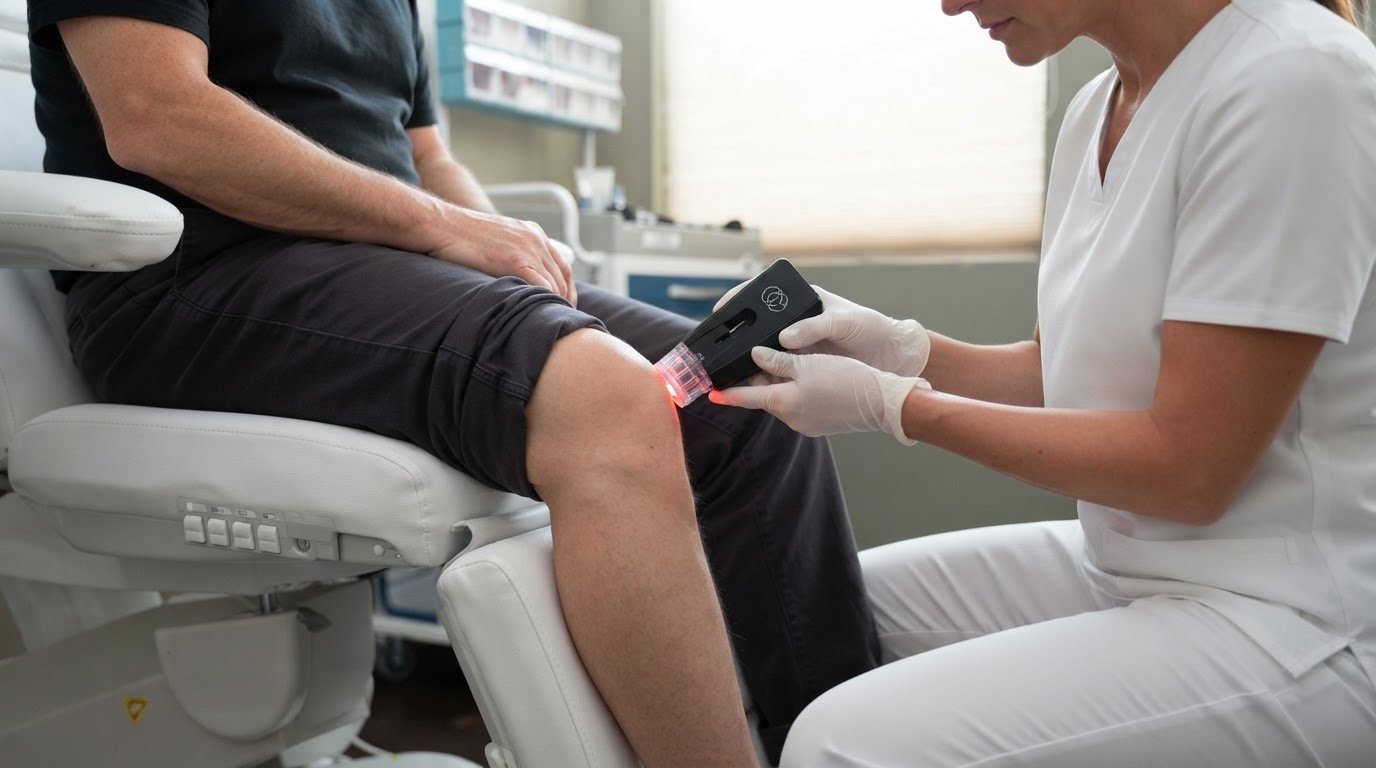
Cold laser light passes through the skin without the heat or tissue damage associated with surgical lasers. The treatment is non-invasive: it requires no needles, injections, or anesthesia, and patients remain fully clothed. People commonly report little or no sensation during a session, making it different from procedures involving pressure or tissue penetration.
For someone considering treatment in Clarence, an initial evaluation can identify the joint or soft-tissue area involved, the symptoms limiting movement, and the treatment goal. The practitioner can consider the suspected cause, the size of the area, and how laser therapy may fit alongside existing care. These details help shape the plan, including session length and the areas treated.
Session timing depends on the condition and the area being treated. A knee-pain session typically lasts 10 to 20 minutes, depending on how many areas are treated. People receiving treatment for knee pain often begin with two to three sessions per week. Those figures describe a typical starting pattern, not a schedule for every joint or condition; the plan depends on the evaluation and treatment area.
Potential goals include less discomfort, reduced swelling, and support for healing, but the response and timing vary. Cold laser therapy is described as having no downtime, so people can return to normal activities immediately afterward. Possible rare reactions include temporary soreness or slight redness at the treated site. Because safety evidence is insufficient for direct application over a developing fetus, treatment should not be applied there.
To assess a provider’s credentials in New York, ask for the practitioner’s full name and professional credentials, then verify them through the relevant New York State licensing authority. Ask for the laser’s manufacturer and model, along with information about its intended use and safety instructions. A clear discussion should connect the equipment and treatment plan to the area and symptoms being addressed.
Potential benefits for joint pain and arthritis
Cold laser therapy may help address pain and swelling around affected joints. Its potential role depends on the symptoms being treated and how they affect movement.
Potential Effects on Pain and Inflammation
Cold laser therapy may decrease pain and swelling, potentially making everyday movement more manageable. For example, someone with a tender wrist might focus on discomfort while gripping, while someone with a swollen knee might track how easily they can bend it. These practical observations describe a response, but they do not establish that inflammation has resolved or reveal its cause.
Joint Stiffness and Arthritis
Arthritis can involve joint pain and stiffness, but stiffness can also have other causes. Cold laser therapy is used with the aim of easing symptoms, not diagnosing arthritis or reversing joint changes. Consider which movements feel restricted, such as standing from a chair or turning a door handle. These examples define a symptom goal without making a broader claim about treating disease.
Laser Therapy for Knee Pain
For knee pain, a potential benefit is symptom relief around the affected area, including less pain or swelling. It can help to note whether discomfort occurs while walking, bending, or resting, since these patterns point to different functional concerns. A useful discussion focuses on the movement affected and whether it changes during care, rather than treating knee pain as one uniform condition.
Clinics near Clarence may list this service as cold laser therapy, low-level laser therapy, or photobiomodulation. Those terms can help identify local offerings, but they don’t establish which specific clinics provide treatment.
Evidence for Pain and Stiffness Relief
Cold laser therapy is described as potentially decreasing pain and swelling and supporting healing as cells repair. These proposed benefits do not predict a specific degree of pain relief or mean that stiffness will improve for everyone. A useful evaluation focuses on the symptom being targeted and any functional change, rather than relying on broad claims about arthritis.
Possible benefits should be distinguished from proof that treatment works equally across conditions. The available information describes potential effects but does not provide a named study or measured improvement for joint stiffness. Keeping that distinction in mind helps set expectations around the specific outcome being assessed.
Insurance and Medicare coverage depend on the terms of the individual plan and how the treatment is classified. Review the applicable policy for coverage criteria, exclusions, and required documentation before making a coverage decision.
Proposed cellular and anti-inflammatory effects
Cold laser therapy uses light energy with the aim of influencing damaged cells and supporting tissue healing. These are proposed explanations for how treatment may work, not a guarantee of a particular change in joint symptoms.
Light Wavelength and Cellular Effects
Different wavelengths describe different properties of light, and cold laser units use selected wavelengths to target tissues. The proposed process is that light reaches damaged cells and its energy is absorbed. This is intended to stimulate cellular activity, support healing, and help break up scar tissue. The treatment area and depth guide how the practitioner applies the light.
This proposed interaction helps explain why cold laser therapy is also called photobiomodulation. The term describes using light to influence biological activity rather than to cut or burn tissue. For example, treatment directed at a stiff joint aims to address tissues around that area. The intended cellular response is part of the rationale, not proof of how much stiffness will change.
Cellular Energy and Tissue Repair
In the proposed model, damaged cells absorb light energy and may begin functioning more effectively. This cellular activity is intended to support healing and tissue repair. For a joint, the aim is to help affected tissues recover while addressing symptoms such as pain or swelling. This does not establish that light replaces the body’s repair processes or completely restores damaged tissue.
The proposed sequence is straightforward: light is applied to a selected area, damaged cells absorb energy, and cellular activity is stimulated to support healing. This describes the intended effects. It does not mean every tissue responds alike or that a change in cellular activity automatically reduces pain while walking, bending, or gripping.
Cold laser therapy is also discussed in relation to swelling and inflammation. A treatment plan may aim to reduce swelling while supporting tissue recovery, but swelling is a symptom, not a complete explanation of its cause. For example, swelling around a sore knee may occur alongside pain and restricted movement. Each change should be considered separately when assessing whether treatment is helping.
Claims about breaking up scar tissue refer to a proposed effect of light on targeted tissues. They are not proof that an old injury or scar will disappear. A treatment plan focuses on the affected area and intended outcome, such as supporting healing or easing discomfort. Distinguishing a proposed cellular effect from a measurable functional improvement helps keep expectations precise.
The key distinction is between a proposed mechanism and an observable outcome. Light energy absorbed by damaged cells is the proposed mechanism; changes in pain, swelling, or movement are outcomes to monitor. Tracking an activity, such as bending a knee or reaching overhead, can make a functional change easier to describe during follow-up.

Candidate suitability and possible side effects
Suitability depends on the joint or soft tissue being treated, the symptoms, and the intended goal. Someone with knee stiffness, for example, may want to address discomfort while bending, while someone with tendonitis may focus on tenderness near a joint. An initial assessment connects the treatment area with the concern and helps shape an appropriate plan.
Chronic symptoms do not automatically mean laser therapy is suitable. Stiffness can have different causes, so planning should account for the affected area and how symptoms limit movement. A clear goal might be greater comfort when rising from a chair or less swelling around a sore joint. Focusing on that goal makes it easier to discuss whether the proposed treatment fits.
Cold laser therapy is non-invasive and uses no needles or injections. The light passes through the skin without the cutting or burning associated with surgical lasers, and people typically report little or no sensation. These features distinguish it from procedures that penetrate tissue, but they do not determine whether it is appropriate for every person or condition.
Possible reactions are generally described as rare and temporary, including soreness or slight redness at the treatment site. A treated knee, for example, may feel briefly sore, or the skin over the area may look mildly red. These effects are separate from treatment goals such as easing discomfort or swelling and should be discussed as part of the plan.
There is an important limitation during pregnancy: cold laser therapy should not be applied directly over a developing fetus because safety evidence is insufficient. The treatment location matters. The practitioner needs to know whether the proposed area is near the abdomen before planning application. This precaution is specific to the treatment site, unlike general decisions about treating a wrist, shoulder, or knee.
More than a thousand published studies mention no adverse side effects from cold laser therapy, while reported possible reactions include temporary soreness or slight redness. These statements describe different information: a broad summary of published studies and specific reactions that may occur. Neither establishes how an individual will respond. A careful discussion should address the proposed site, treatment goal, and relevant pregnancy considerations.
Before starting, clarify which joint or soft-tissue area will be treated, which symptom the plan targets, and what changes to observe. Someone with a stiff shoulder, for instance, might note whether reaching overhead becomes easier. Defining the purpose creates a practical basis for reviewing progress instead of assuming that light affects everyone in the same way.
Combining laser therapy with other care
Low-level laser therapy is one treatment option, not a substitute for every form of joint care. Physical therapy commonly focuses on movement and exercise; medication may be used to manage symptoms; and chiropractic care is another approach. Laser therapy applies light to a selected area. These approaches have different roles, so each part of a combined plan should have a clear purpose.
Consider how each part of care supports a specific daily activity. For a stiff knee, the goal might be easier bending during a walk. Laser treatment may be included alongside recommended home exercises or stretches, with movement supporting function. Combining approaches does not establish that one enhances another; it creates a plan with separate goals to review.
Gentle movement can help maintain activity as part of joint care. After activities that may cause knee swelling, icing is one recommended measure. Home exercises or stretches should follow the recommendations for the individual plan rather than being added at random. Someone managing knee symptoms, for example, can note whether a particular stretch affects comfort while bending.
Daily mechanics matter, too. Paying attention to how you move while lifting, standing, or reaching can help identify activities that aggravate a joint. Adequate sleep is another part of recovery care. These steps do not replace an assessment of pain or possible damage; they address daily habits that can be considered alongside cold laser therapy.
A simple way to coordinate care is to connect each step with an observable goal:
- Laser therapy: identify the joint or soft-tissue area and the symptom being targeted.
- Movement: use gentle activity and recommended exercises or stretches.
- Swelling response: consider icing after activities that may cause knee swelling.
- Daily routine: notice body mechanics and allow enough sleep during recovery.
Keep the plan focused by tracking an activity, such as climbing stairs or rising from a chair. Note how the movement feels before and after care, then share that observation at follow-up. A change in sensation is useful information, but it does not by itself show that tissue repair has occurred or explain the cause of joint symptoms.
If you’re considering low-level laser therapy as part of a broader joint-care plan, contact My Health 360 to arrange a Meet and Greet and discuss with Medical Director Dr. Fatima whether the procedure is a good option for you.
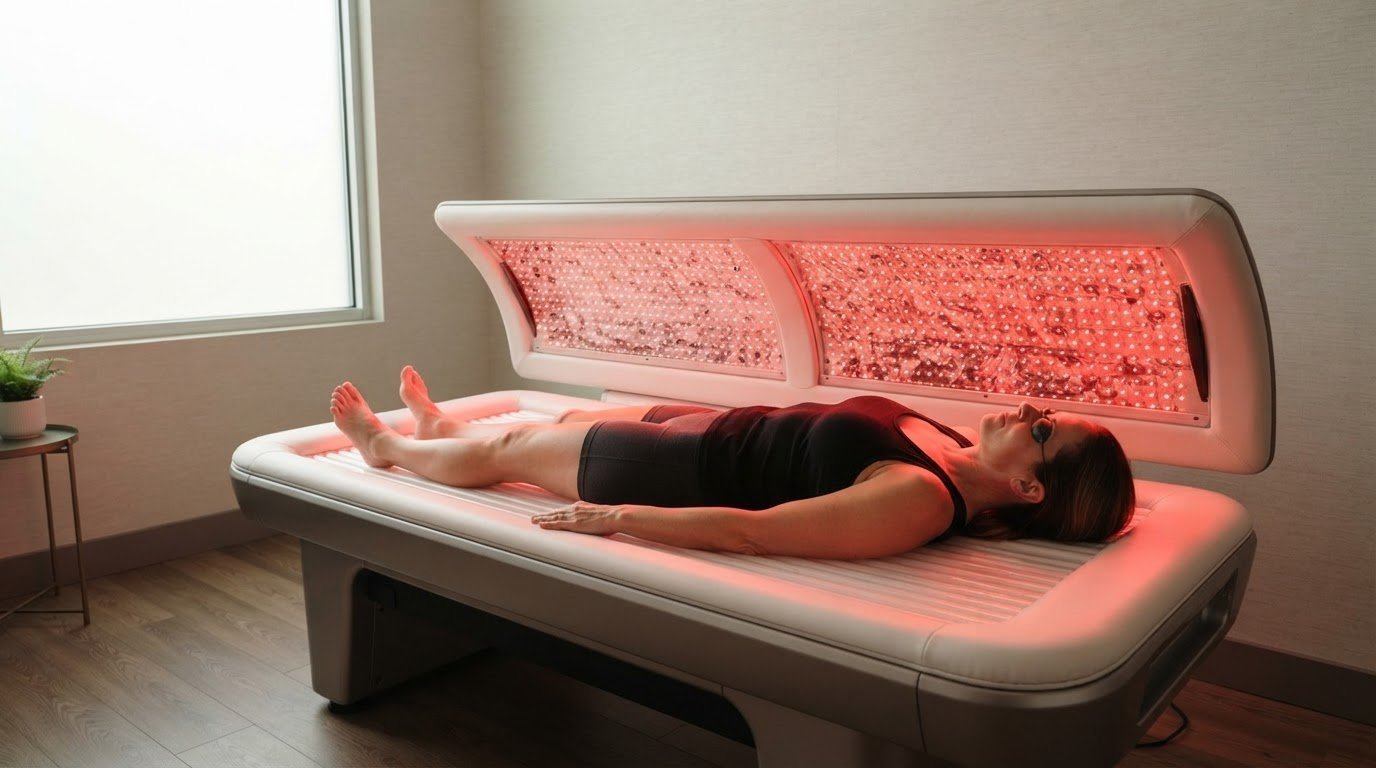
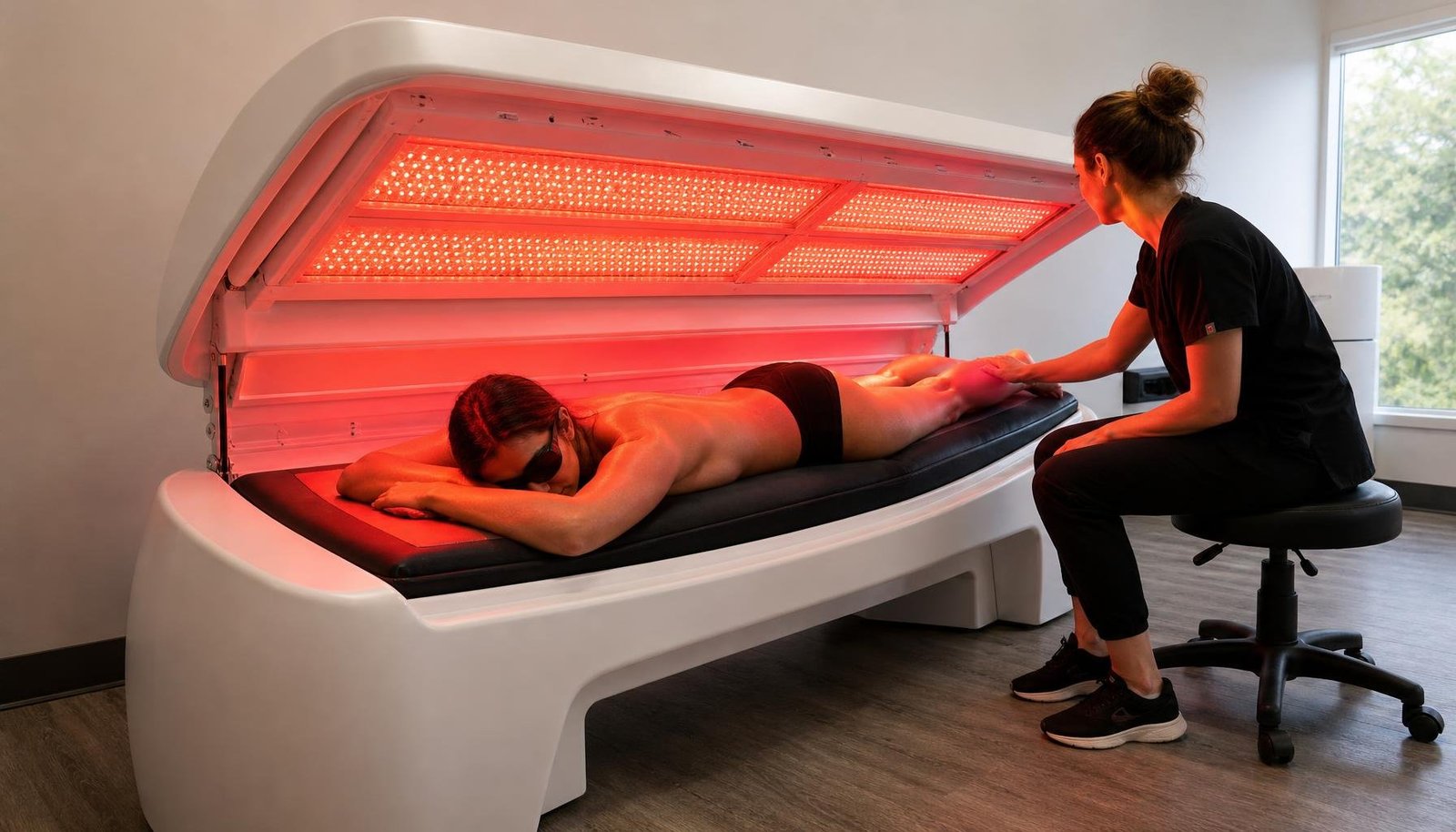
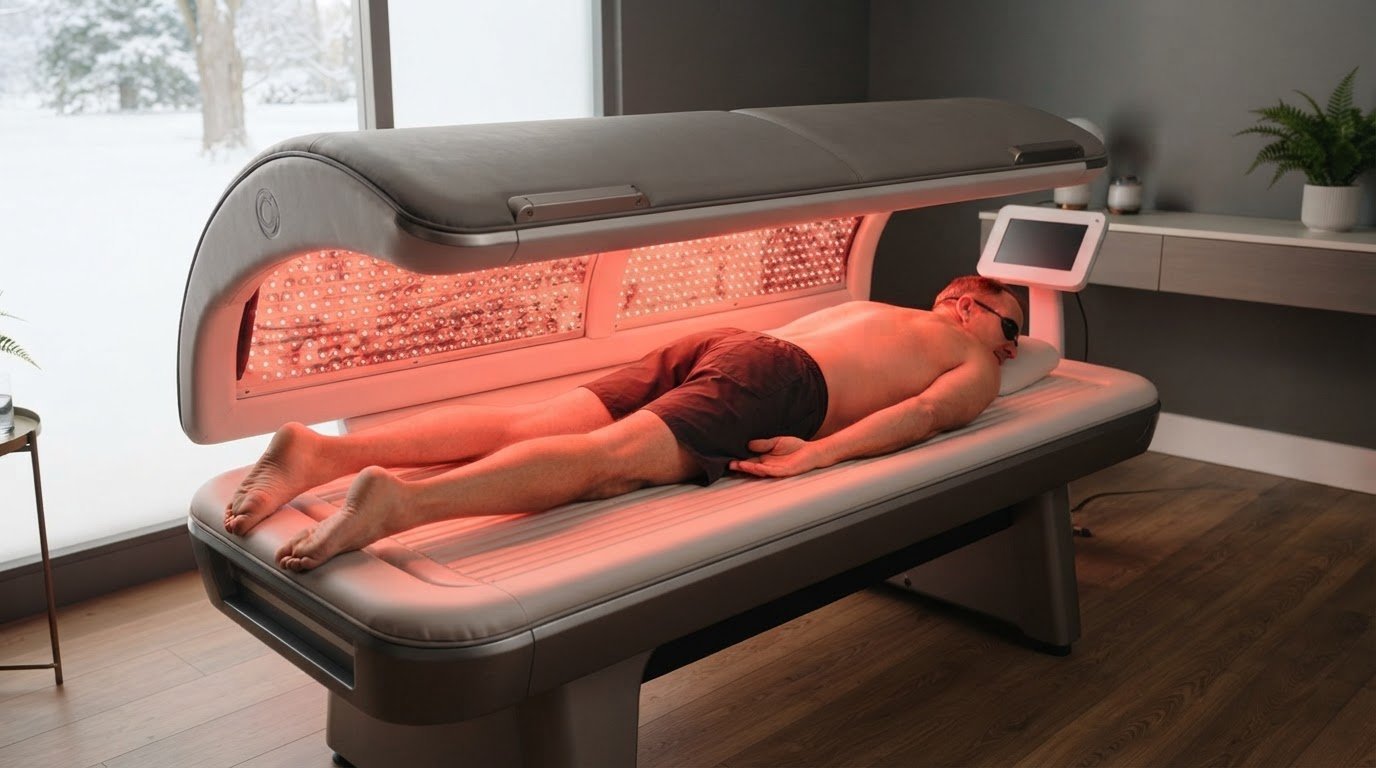
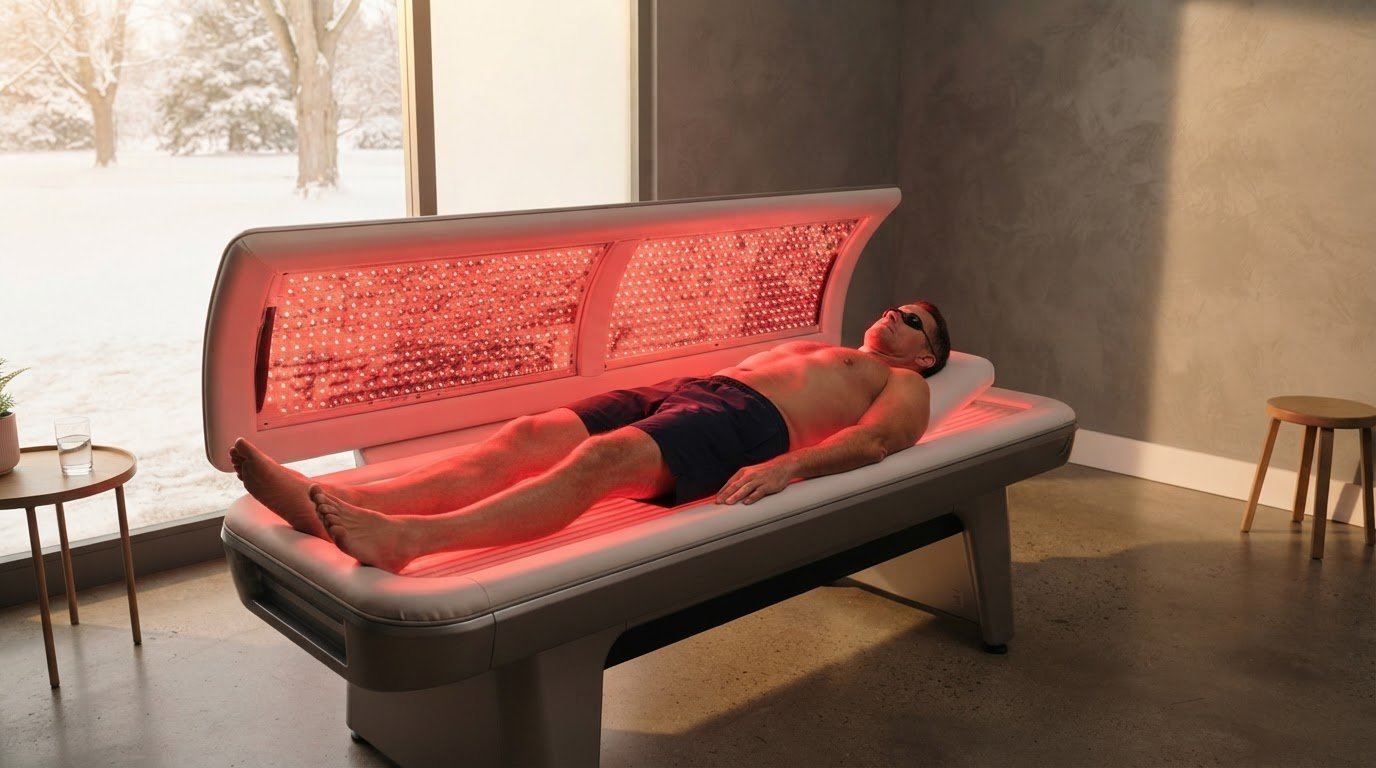
My Health 360: Whole body red light therapy
My Health 360 offers whole body red light therapy and LLLT Low Level Laser for people exploring light-based care. It also provides Morpheus8 treatments, all performed by qualified physician Umbrine Fatima, M.D. My Health 360 is the only clinic in Western New York where a qualified physician performs every Morpheus8 treatment.
Microneedling and penetrating the skin are considered the practice of medicine in New York State and are limited to physicians. Skin penetration and microneedling are outside the scope of estheticians, physician assistants, and nurse practitioners. Other spas jeopardize patient safety when they allow estheticians, physician assistants, or nurse practitioners to perform Morpheus8. This distinction matters when choosing care that involves skin penetration.
Contact My Health 360 to arrange a Meet and Greet and discuss with Medical Director Dr. Fatima whether a procedure is a good option for you.
Choose a Clear Next Step for Joint Care
A useful next step is to define what easier movement would mean in your daily routine. It might mean reaching comfortably, walking with fewer interruptions, or handling a familiar task more easily. For people exploring low-level laser therapy for joint stiffness in Clarence, NY, this personal measure keeps the conversation focused on function, not just the procedure’s name.
Bring your main concern and the movements it affects to a Meet and Greet. You can discuss with Medical Director Dr. Fatima whether a procedure is a good option for you, and how it may fit with your broader care goals.
Contact My Health 360 to arrange a Meet and Greet and take a considered next step toward care that reflects your needs.
Frequently Asked Questions
Are there side effects?
Possible side effects include temporary soreness or slight redness where the laser is applied. Note whether redness stays limited to the treated area or soreness affects a particular movement, such as bending a knee. These details help describe your response during follow-up. Cold laser therapy is non-invasive and typically involves little or no sensation during treatment.
How much does it cost?
The cost depends on the case and is provided after a quote request. Factors include the condition being treated and the size of the affected area, since these help shape the treatment plan. If you are considering care in Clarence, describe the joint or soft-tissue area involved and your goals so the quote reflects the planned service.
What are the risks, side effects, and contraindications of low-level laser therapy?
Reported possible reactions include temporary soreness or slight redness at the treatment site. Cold laser therapy should not be applied directly over a developing fetus because safety evidence is insufficient. Before treatment, identify the proposed area clearly, especially if it is near the abdomen during pregnancy. This precaution concerns where the laser is applied, not every treatment area.
How many low-level laser therapy sessions are typically needed, and how long does each take?
For knee pain, sessions typically last 10 to 20 minutes, and people often begin with two to three sessions per week. Treatment time depends on the condition and the number of areas addressed. A knee plan may differ from one focused on another joint or soft tissue, so these figures describe a common starting pattern rather than a schedule for every concern.
How much does low-level laser therapy cost per session in Clarence, NY?
There is no single per-session amount stated here. The cost depends on the case and is provided after a quote request, with the condition and treatment area affecting the plan. For residents considering low-level laser therapy for joint stiffness in Clarence, NY, the quote should reflect the specific area and care being considered rather than an assumed standard session rate.
What should patients expect during a low-level laser therapy appointment?
Patients remain fully clothed, and the appointment doesn’t require needles, injections, or anesthesia. The practitioner applies the laser to the selected area; people commonly report little or no sensation. A knee-pain session typically takes 10 to 20 minutes, depending on how many areas are treated. To discuss whether this procedure fits your goals, contact My Health 360 to arrange a Meet and Greet with Medical Director Dr. Fatima.