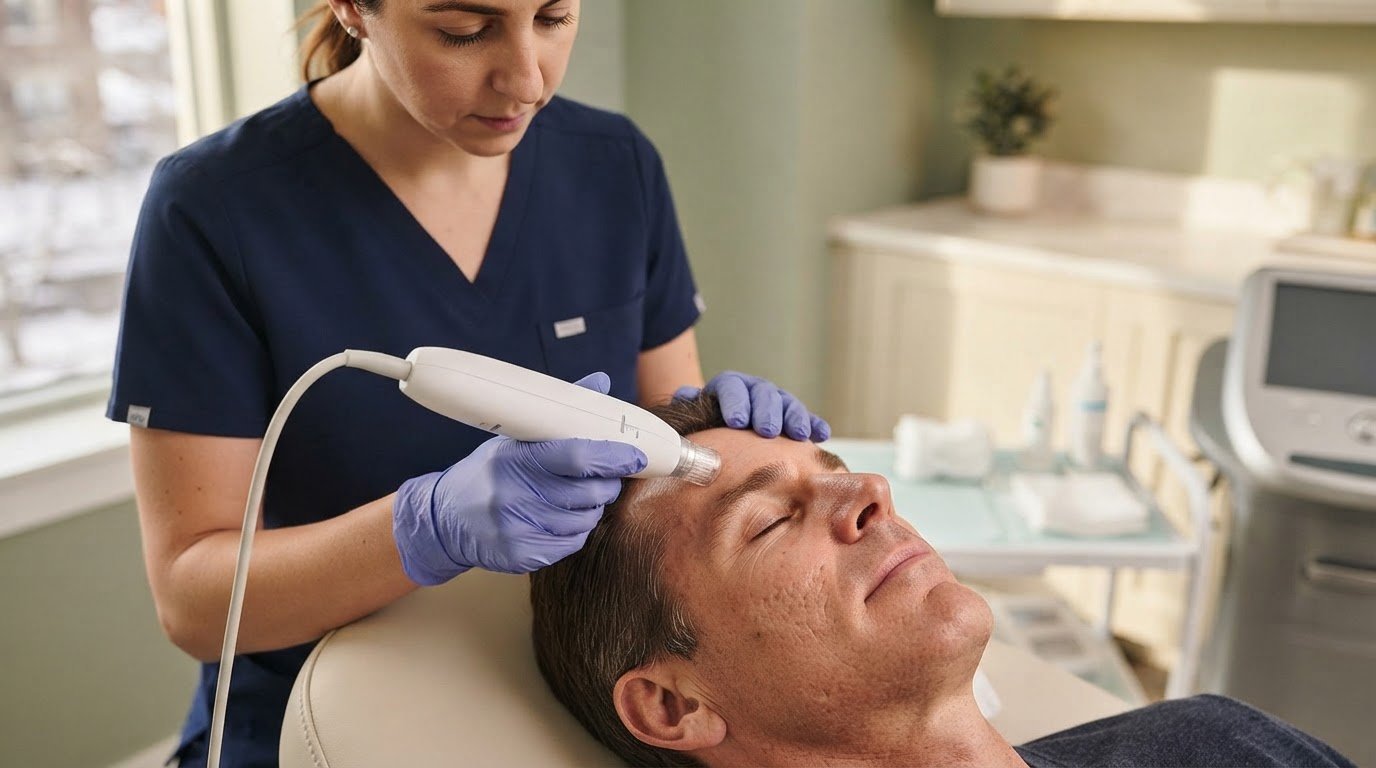
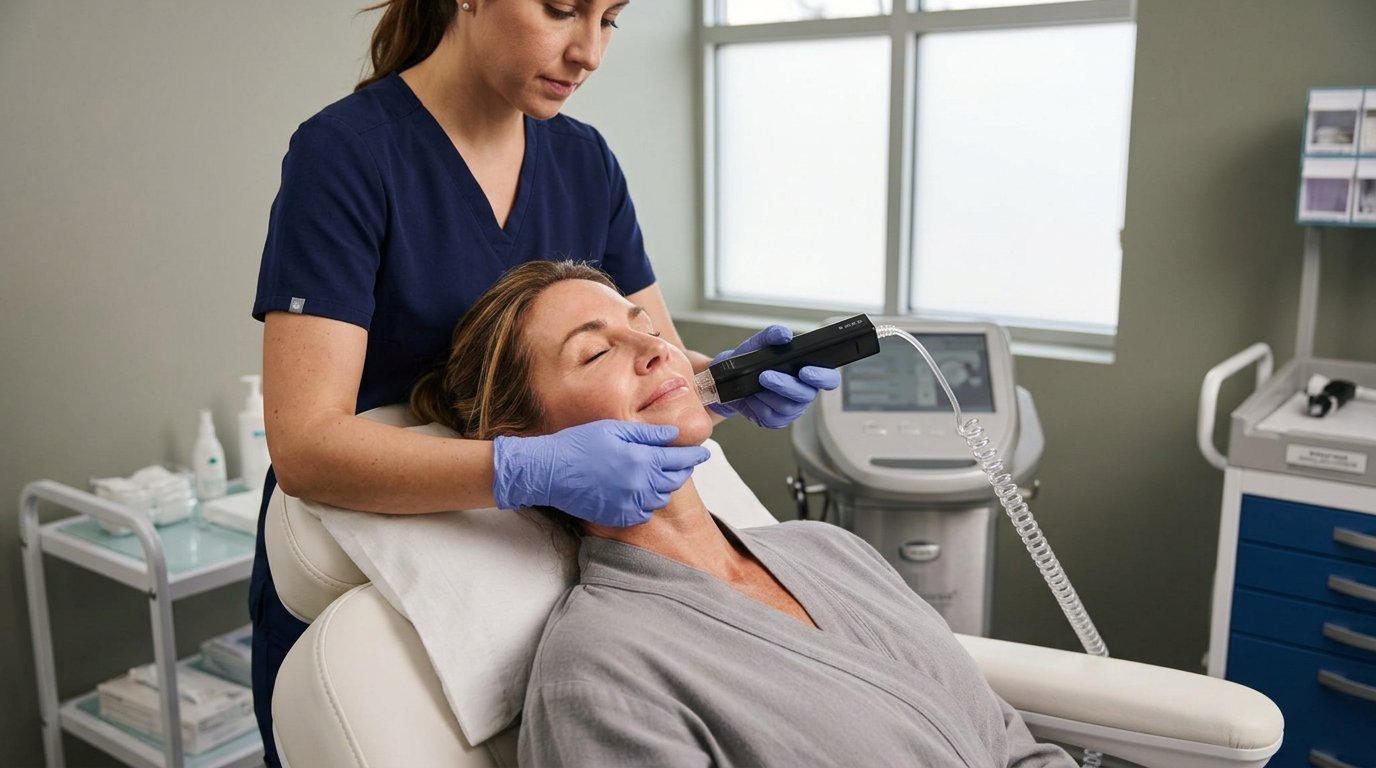
What matters more than the device name when considering Morpheus8? The clinician assessing your skin, goals, and suitability matters too. A Morpheus8 physician can discuss your concerns, explain how the treatment may fit your needs, and help you understand the plan before you proceed. Morpheus8 combines microneedling with radiofrequency energy, so treatment settings and the areas addressed are important parts of the conversation.
It makes sense to look beyond a provider’s description of the procedure. Training, experience, and examples of prior patient results can help you understand their approach, while a thoughtful assessment can clarify what treatment may involve for your particular concerns.
This article explains how to assess a physician’s experience and patient results, what can influence the number of treatments, and what recovery and possible side effects may look like. You’ll also learn what to discuss during a consultation so you can make a considered decision about Morpheus8 in Clarence, NY.
Key Takeaways
- Look for a clinician who can assess your skin concerns, explain the treatment approach, and discuss whether Morpheus8 fits your goals.
- Review patient results with attention to comparable treatment areas and the timeline shown; visible improvement may continue as collagen develops.
- Your treatment plan depends on factors such as skin laxity, the area being treated, and your desired changes. A consultation can clarify the approach and spacing.
- Expect that recovery may include temporary redness, swelling, sensitivity, dryness, or pinpoint crusting, with aftercare tailored to the treated area.
- Use a consultation to discuss candidacy, expected results, treatment needs, and recovery before deciding on next steps.
Looking for a Morpheus8 provider?
Morpheus8 combines microneedling with fractional radiofrequency energy to address selected skin concerns. A consultation connects those concerns with a suitable treatment plan and recovery expectations.
How the Treatment Works
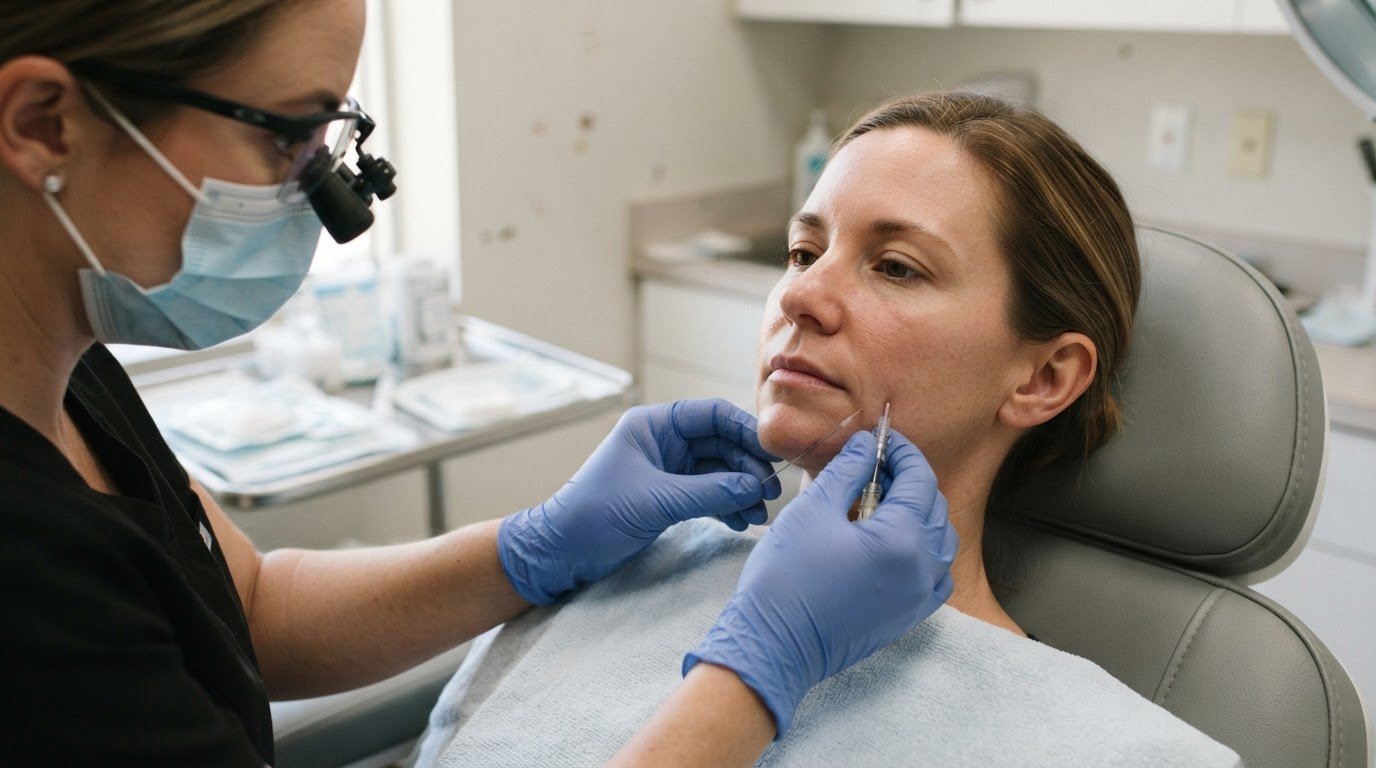
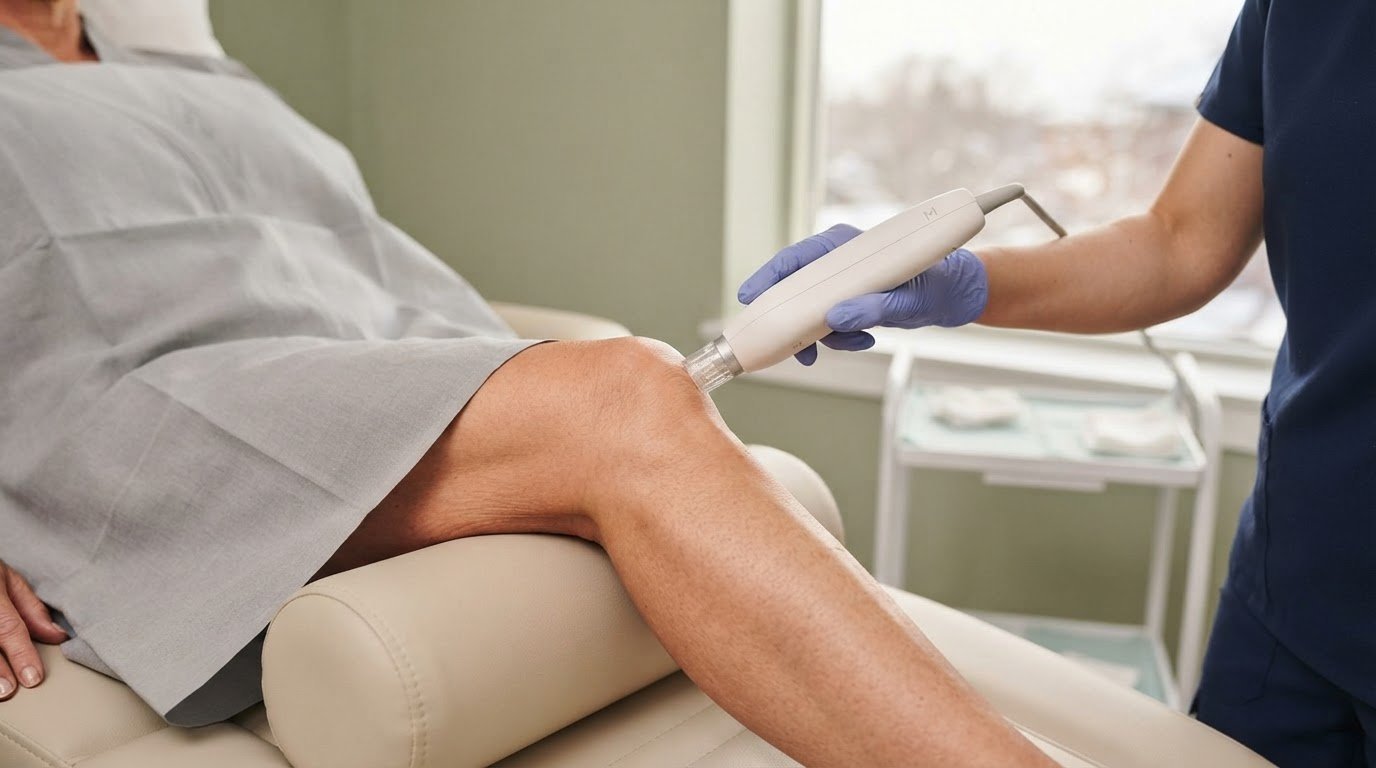
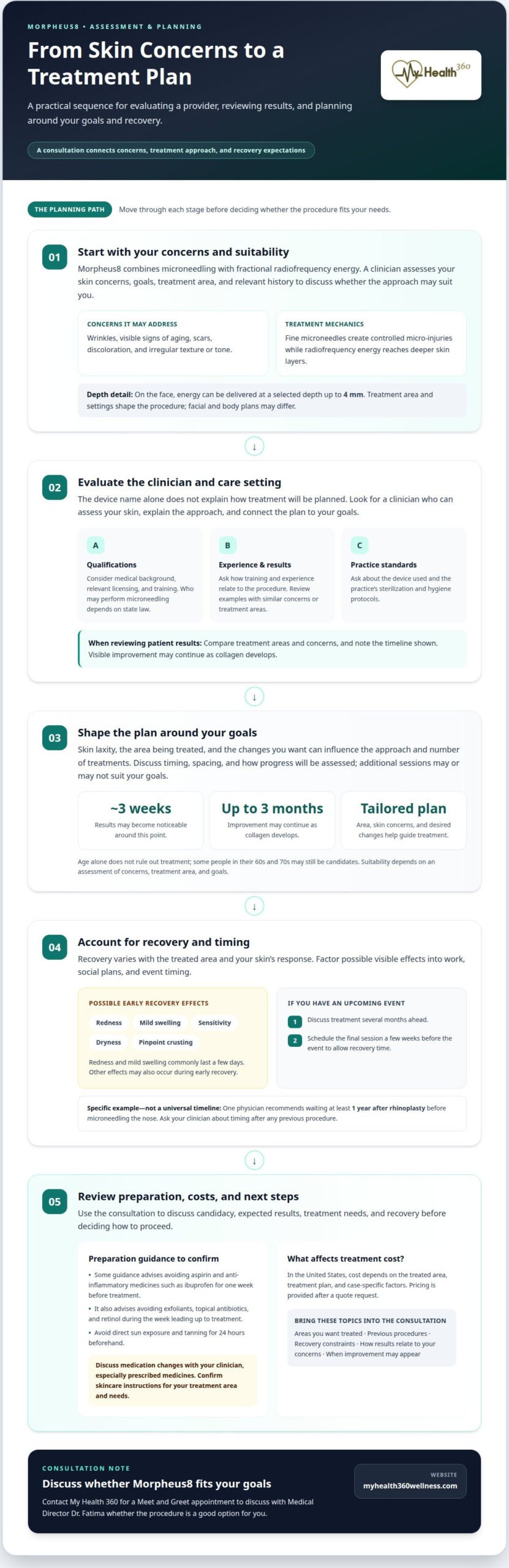
Morpheus8 uses fine microneedles to create controlled micro-injuries while delivering radiofrequency energy into deeper skin layers. On the face, energy can be delivered at a selected depth up to 4 mm. This approach may address wrinkles, visible signs of aging, scars, discoloration, and irregular texture or tone. The treatment area and settings shape the procedure, so facial and body treatments may involve different plans.
Suitability, Results, and Downtime
Age alone doesn’t rule out treatment: some people in their 60s and 70s may still be candidates. Skin concerns, treatment area, and goals help guide an assessment. Results may become noticeable around three weeks after treatment and continue improving for up to three months. Redness and mild swelling commonly last a few days; sensitivity, dryness, or pinpoint crusting may also occur during early recovery.
Recent procedures matter, too. One physician recommends waiting at least 1 year after rhinoplasty before microneedling the nose. This is a specific example, not a universal timeline for every procedure or treatment area.
Consultation and Treatment Planning
A consultation gives the clinician time to assess your skin concerns, discuss expectations, and evaluate whether Morpheus8 suits your goals. Bring up the areas you want treated, previous procedures, and any recovery constraints. A Morpheus8 physician can use those details to shape the treatment area and explain what the procedure may involve. Ask how patient results relate to your concerns and when improvement may appear.
Personalized planning should also cover timing and how your skin may respond. Because collagen changes can continue for months, ask how progress will be assessed and whether additional sessions may suit your goals.
Planning Around Work and Events
Allow for visible redness, swelling, or sensitivity when planning work and social activities. If you’re preparing for an event, discuss treatment several months ahead and schedule the final session a few weeks before the event to allow recovery time. The treated area and your skin’s response can affect how much time you need between a procedure and an important occasion.
Preparation and Treatment Cost
Some pre-treatment guidance advises avoiding aspirin and anti-inflammatory medicines such as ibuprofen for one week before treatment, and avoiding exfoliants, topical antibiotics, and retinol during the week leading up to it. Avoid direct sun exposure and tanning for 24 hours beforehand. Discuss medication changes with your clinician, especially for prescribed medicines.
In the United States, Morpheus8 treatment cost depends on the treated area, treatment plan, and case-specific factors; pricing is provided after a quote request. Discuss preparation and skincare instructions during your consultation so they reflect the treatment area and your needs.
Finding a Morpheus8 provider
Choosing a provider involves more than recognizing the Morpheus8 name. Consider the device, the clinician’s qualifications, and how the plan reflects your aesthetic goals.
Searching by Technology or Provider Name
Start with the treatment itself: Morpheus8 combines microneedling and radiofrequency energy. Searching by the device name can help distinguish this procedure from other microneedling or radiofrequency options. Provider names and medical backgrounds offer another useful starting point, but neither search alone explains how treatment will be planned. Look for clear information about the technology and the clinician’s role in assessment and care.
Device identity matters because energy delivery and needle depth shape the treatment. Morpheus8 can deliver radiofrequency energy at a selected depth up to 4 mm on the face. A suitable discussion should connect the treatment area and skin concerns with an appropriate approach, rather than treating the device name as a complete plan. Patients benefit from understanding which areas and concerns the proposed procedure addresses.
Provider Qualifications and Licensing
Potential providers may include dermatologists, plastic surgeons, and licensed aestheticians. Who may perform microneedling depends on state law, and requirements differ across states. A clinician’s medical background, relevant licensing, and training help establish whether their role fits the procedure. For a Morpheus8 physician, the conversation should also clarify their involvement in assessing suitability and planning treatment.
Device and practice standards also matter. It is sensible to ask about the device used and the practice’s sterilization and hygiene protocols. These considerations relate to the equipment and the treatment environment; they don’t replace assessment of the clinician’s qualifications. A coherent care process addresses both.
Choosing a Qualified Provider
A qualification is more than a credential. It includes the ability to assess skin concerns, explain the intended treatment, and align the plan with your goals. During a consultation, note whether the physician discusses the treatment area, expected changes, and relevant medical or procedural history. These details show how the plan is tailored rather than applied uniformly.
Ask how the clinician’s training and experience relate to the procedure, and review patient results that reflect similar concerns or treatment areas. Aesthetic goals differ: one patient may focus on texture, while another is concerned about wrinkles or visible laxity. The clinician should explain how those priorities influence treatment planning and what recovery may involve.
Use the consultation to connect three elements: the device, the experienced physician performing treatment, and your specific goals. This gives you a clearer basis for understanding the proposed approach and deciding whether it fits your needs.
Reviewing prior patient results
Before-and-after images can help you understand a practice’s aesthetic approach, but they need context. Compare examples addressing concerns similar to yours, such as facial texture, wrinkles, or pigment irregularities. A photograph alone can’t show treatment settings, session count, or how long results took to develop. Discussing those details during a consultation gives you a more useful basis for comparison.
What Before-and-After Images Can Show
Look for images of the same patient before and after treatment, taken with comparable lighting, angle, distance, and facial expression. These details make visible changes easier to interpret. For example, a close-up of cheek texture may be more relevant to your concern than a full-face image focused on overall appearance. Ask how many procedures the patient received and when each image was taken.
Images can illustrate changes in texture, visible laxity, or tone, but they can’t predict the same outcome for someone else. Skin characteristics, treatment areas, and individual goals differ. A medical practice should explain what the images show and what they can’t establish. Focus on whether the examples reflect your priorities, not just the most dramatic result.
Look Beyond Search Results
Search results can help you find a practice or physician, but a short listing rarely explains the clinical context behind a photograph. A featured image may not reveal the treatment plan, session count, or follow-up period. Use search results as an introduction, then discuss the details during a consultation. A direct conversation can clarify how the physician evaluates results and patient goals.
Credentials also need context. A certified title or professional profile doesn’t, by itself, show how a clinician approaches Morpheus8. Review the provider’s relevant training and experience alongside patient examples. Then consider whether the clinician can explain the procedure, the concerns addressed, and the way treatment is tailored. The combination offers a more complete picture than a name or image alone.
Sessions and Result Timing
A practice recommends 3-5 Morpheus8 sessions for best results, though the plan depends on the patient and treatment goals. The number of sessions shown in a patient example matters because results after a single procedure may differ from results after a series. Ask how the example’s plan compares with the approach being discussed for your facial or body concerns.
Timing matters, too. One recommendation is to wait 6 months after the last Morpheus8 treatment to assess results. This longer view can help distinguish early changes from the treatment’s later outcome. During your review, note the session count and follow-up timing for each example. Those two details make comparisons more informative than a before-and-after pair without context.
Bring a specific concern, such as facial texture or pigment, to the image review. A Morpheus8 physician can explain which examples are relevant and how the proposed plan differs. This turns patient results into a focused conversation, rather than a promise that your outcome will match someone else’s.
HOW MANY MORPHEUS8 TREATMENTS WILL I NEED?
The number of Morpheus8 treatments depends on skin laxity, treatment area, and your goals. Most patients may need 1 to 4 treatments for maximum results, with sessions spaced 4 to 8 weeks apart.
How does Morpheus8 compare with other microneedling and skin-tightening treatments? Morpheus8 combines microneedling with fractional radiofrequency energy, delivering both through one treatment approach. The combination distinguishes its method, while the right option depends on the concern being treated and the intended plan.
What conditions and areas can Morpheus8 treat? It can address wrinkles and visible signs of aging on the face or body, as well as scars, discoloration, irregular texture or tone, and pigmentation concerns. Treatment suitability depends on the area and your skin goals.
Age can inform the assessment, but it doesn’t determine candidacy by itself. People in their 30s, 40s, and 50s with mild to moderate skin laxity are typical candidates. Some people in their 60s and 70s may also be suitable, depending on their skin concerns and treatment goals.
Skin tightening and rejuvenation involve more than selecting a session count. A physician generally recommends about three consecutive treatments for the initial series, while most patients may need 1 to 4 treatments for maximum results. These recommendations describe ranges, not a fixed plan for every patient.
Spacing allows the treatment plan to account for the skin’s response over time. Sessions are recommended 4 to 6 weeks apart, and collagen builds over roughly three months after treatment. This gradual process means changes may continue after the appointment rather than appearing all at once.
One treatment may create a noticeable difference, while a series may be considered for concerns that call for a more comprehensive approach. The plan depends on the degree of laxity, the area treated, and your goals. For example, a plan for facial texture may differ from one addressing visible laxity on the body.
Morpheus8 stimulates collagen, and that response can take several months. Allowing time for collagen renewal helps frame expectations for tightening and resurfacing. The treatment plan should account for both the sessions themselves and the time needed to observe changes between appointments.
Maintenance is another planning consideration. Maintenance treatment is usually performed annually after the initial treatments. Your physician can explain how this general schedule relates to your goals, previous treatment, and the skin changes you want to address.
At your appointment, discuss the treatment area, degree of skin laxity, and desired changes. These factors help shape the recommended number and spacing of sessions, along with a realistic timeline for assessing results.
Expected downtime and side effects
During Morpheus8 treatment, microneedles create controlled micro-injuries while radiofrequency energy reaches targeted skin layers. Recovery may include redness, mild swelling, sensitivity, dryness, bruising, or pinpoint crusting.
Downtime varies by treatment area and intensity. Some patients resume work or regular activities the day after treatment, while recovery can range from 2 days to 2 weeks. Redness and mild swelling commonly last a few days. A treatment around the eyes and brows may require 3-5 days of downtime.
Plan practical commitments around your skin’s early response. Avoid makeup on the treated area for 24 to 48 hours, and avoid hard workouts, hot yoga, and saunas for a day or two. If you’re planning a flight or trip, leave a few days between travel and treatment. These steps allow time for temporary swelling and sensitivity to settle.
Aftercare helps protect the treated skin as it recovers. Keep the area moisturized for 2 to 5 days following the procedure, using a gentle, non-irritating moisturizer as directed by your skincare professional. Protect the area from direct sunlight for at least one week after treatment. Full-spectrum sunscreen with an SPF of 30 or higher is also advised.
Plan around work and social events, keeping the treated area in mind. Lighter treatments may allow a return to the office within a day or two, but visible redness can affect comfort or appearance. If your goal involves skin texture or acne scars, discuss the recovery timeline for that area before choosing an appointment date.
Morpheus8 supports skin rejuvenation by pairing microneedling with radiofrequency energy. It is not the same as surgery, and the treatment still involves controlled skin injury. Temporary redness, swelling, bruising, or small scabs may occur. Understanding those possibilities helps you plan recovery without assuming downtime will be identical for every treatment area.
Follow the aftercare instructions provided for your procedure, and contact your physician if a reaction concerns you. Your physician can explain which changes are expected during recovery and how they relate to your treatment plan. This conversation is especially useful before an important event or travel date.
Contact My Health 360 to arrange a Meet and Greet appointment and discuss with Medical Director Dr. Fatima whether Morpheus8 is a good option for you.
My Health 360: Morpheus8
My Health 360 offers Morpheus8 for patients considering treatment for skin texture, visible laxity, or other concerns discussed in this article. A personalized conversation can help connect your goals with an appropriate treatment plan and clarify what to expect from recovery.
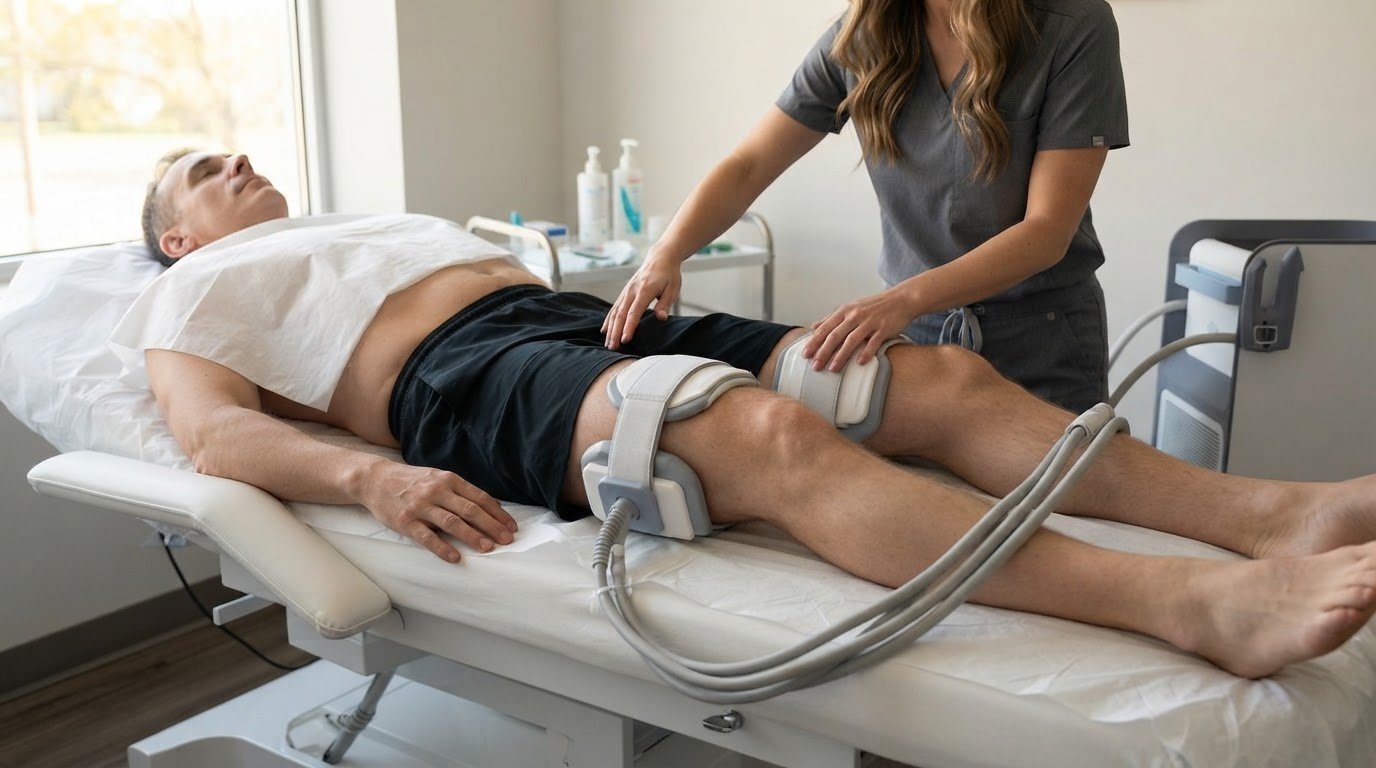
If you’re weighing Morpheus8 alongside other aesthetic goals, discuss your priorities and relevant medical history before deciding on next steps. My Health 360 also offers Emsculpt Neo, BioPrime pre-operative or pre-event whole body habilitation, and Bio-Restore post-operative or injury whole body habilitation.
Contact My Health 360 to arrange a Meet and Greet appointment and discuss with Medical Director Dr. Fatima whether Morpheus8 is a good option for you.
Choose a Next Step That Fits Your Goals
Before moving forward, identify the change you hope to see and what matters most in your decision. You might prioritize a particular area, a gradual approach, or understanding how treatment fits alongside other plans. Clarifying those priorities can make your next conversation more focused and useful.
A Morpheus8 physician can help you consider whether the procedure aligns with your goals and discuss questions that remain. Use a Meet and Greet appointment to speak with Medical Director Dr. Fatima about whether Morpheus8 is a good option for you. The conversation can help you decide on a thoughtful next step, without rushing your decision.
Contact My Health 360 to arrange a Meet and Greet appointment and discuss your goals with Dr. Fatima. Take the time you need to make a choice that feels informed and personal.
Frequently Asked Questions
Can I go back to work the day after Morpheus8?
Many patients return to work the day after treatment, though visible redness or swelling may affect comfort. Consider whether your role involves client meetings, video calls, or outdoor work. My Health 360 notes that mild redness and swelling typically resolve within a few days. Planning around your work setting and schedule can help you decide whether to take time away.
How long do Morpheus8 results last?
Results develop over time as collagen renewal continues, and maintenance is usually performed annually after initial treatments. The visible effect and timing can vary with skin concerns, treatment area, and the plan followed. A Morpheus8 physician can discuss how progress will be assessed and when maintenance may fit your goals. For example, facial texture and skin laxity may call for different approaches.
What is Morpheus8 downtime?
Downtime can range from 2 days to 2 weeks, depending on the treatment and area. Mild redness and swelling typically resolve within a few days, according to My Health 360. A facial appointment before a major presentation may require different planning than a body treatment under clothing. Follow the aftercare instructions provided for your procedure and allow time for your skin’s early response.
Who is a good candidate for Morpheus8?
People with mild to moderate skin laxity are typical candidates, including people in their 30s, 40s, and 50s. Age alone doesn’t determine suitability; some people in their 60s and 70s may also be candidates. Skin concerns, treatment areas, and goals inform the assessment. For example, someone focused on texture may need a different plan from someone addressing laxity.
Can Morpheus8 cause facial fat loss?
Morpheus8 is used to address skin concerns such as wrinkles, laxity, and texture, rather than described as a facial fat-loss treatment. If preserving facial fullness is a priority, raise that concern before treatment. Discuss the intended area and approach with the clinician so the plan reflects your aesthetic preferences. This is especially relevant if changes in facial volume concern you.
Can someone who is not an MD or nurse perform Morpheus8 on a patient?
Who may perform microneedling depends on state law. In some states, nurses and technicians may perform it; in others, only physicians may. The rules vary across the United States. For an appointment in Clarence, New York, the provider’s role should comply with applicable state requirements. The clinician’s medical background and involvement in treatment planning also matter.
What is Morpheus8 and how does it work?
Morpheus8 combines microneedling with radiofrequency energy. Microneedles create controlled micro-injuries while radiofrequency energy reaches deeper skin layers. On facial skin, energy can be delivered at a selected depth up to 4 mm. This approach is used for wrinkles, scars, discoloration, and uneven texture or tone. The treatment area informs how the procedure is planned.
What medical qualifications and training should a provider have?
A Morpheus8 physician should have an appropriate medical background, licensing, and relevant training and experience. Qualifications must fit state rules for microneedling. Consider whether the practice uses an FDA-approved Morpheus8 device and follows sterilization and hygiene protocols. During consultation, the clinician should explain their role, the treatment approach, and how your concerns inform planning.