Non-surgical body contouring treatments in Buffalo, NY after GLP-1 weight loss may focus on muscle definition or skin appearance, depending on individual goals and health. These treatments address different concerns from weight-loss medication, so a careful assessment helps clarify which approach may be appropriate.
It’s understandable to want your appearance to reflect the progress you’ve made while seeking realistic information about treatment options. Choosing non-surgical body contouring treatments in Buffalo, NY after GLP-1 weight loss involves considering candidacy, timing, follow-up care, and lifestyle support.
This guide explains non-surgical body contouring treatments in Buffalo NY, including how to assess candidacy, what to consider about follow-up, and how insurance coverage may apply. It also outlines how physician-led care can connect aesthetic goals with broader health needs, helping you make an informed decision about your next step.
Key Takeaways
- Understand how non-surgical approaches may address muscle definition or skin appearance after GLP-1 weight loss, and where their limits lie.
- Learn which health, weight-stability, and personal-goal factors can shape candidacy and treatment timing.
- See why follow-up and ongoing lifestyle support matter, and why visible changes may take several weeks to months.
- Know what to consider when reviewing insurance coverage, since eligibility depends on the specific plan and treatment.
- Explore how physician-led care at My Health 360 may connect your goals with options such as Emsculpt Neo.
Monitoring, follow-up care, and lifestyle support
After a non-surgical contouring treatment, follow-up should consider both the treated area and your overall health. Changes may become visible over weeks or months, depending on the procedure, so an early check-in may not show the full result. A planned review gives the care team a chance to discuss progress, address concerns, and adjust recommendations as healing and tissue response develop.
Useful monitoring starts with a clear baseline. At your initial assessment, identify areas of concern, such as the abdomen or thighs, and describe what you hope to change. Follow-up comparisons may include photographs taken consistently, measurements, and a discussion of comfort or function. Using the same conditions each time makes gradual changes easier to assess than relying on memory or day-to-day appearance.
At each follow-up, review practical details with your treating clinician:
- Describe any changes in the treated area, including tenderness, swelling, or skin response.
- Discuss whether the original goal still reflects your priorities.
- Review medications, including GLP-1 treatment, and any changes made by the prescribing clinician.
- Agree on the next review step and what changes should prompt earlier contact.
Medication coordination matters during continued weight loss. GLP-1 medications can remain part of a person’s health plan while body composition changes, so contouring follow-up should account for the current treatment plan. Don’t change or stop a prescribed medication to influence an aesthetic result. Share medication changes and relevant symptoms with the clinicians involved, so they can consider the full picture rather than assessing the treated area alone.
Lifestyle support can make follow-up more meaningful. Regular meals with adequate nourishment, hydration, movement, and resistance exercise support general health and muscle maintenance during weight management. The right routine depends on your health, abilities, and care plan. If you notice reduced strength while losing weight, for example, discuss suitable activity with a qualified clinician instead of increasing exercise abruptly or focusing only on the scale.
Non-surgical treatments have limits. They don’t remove substantial excess skin or repair separated abdominal muscles; these concerns need a different clinical assessment and may involve discussing surgery. If skin laxity is your main concern, note where it occurs and how it affects clothing or daily comfort. This information helps determine whether continued monitoring or a discussion of another treatment is the more appropriate next step.
Patient selection and candidacy
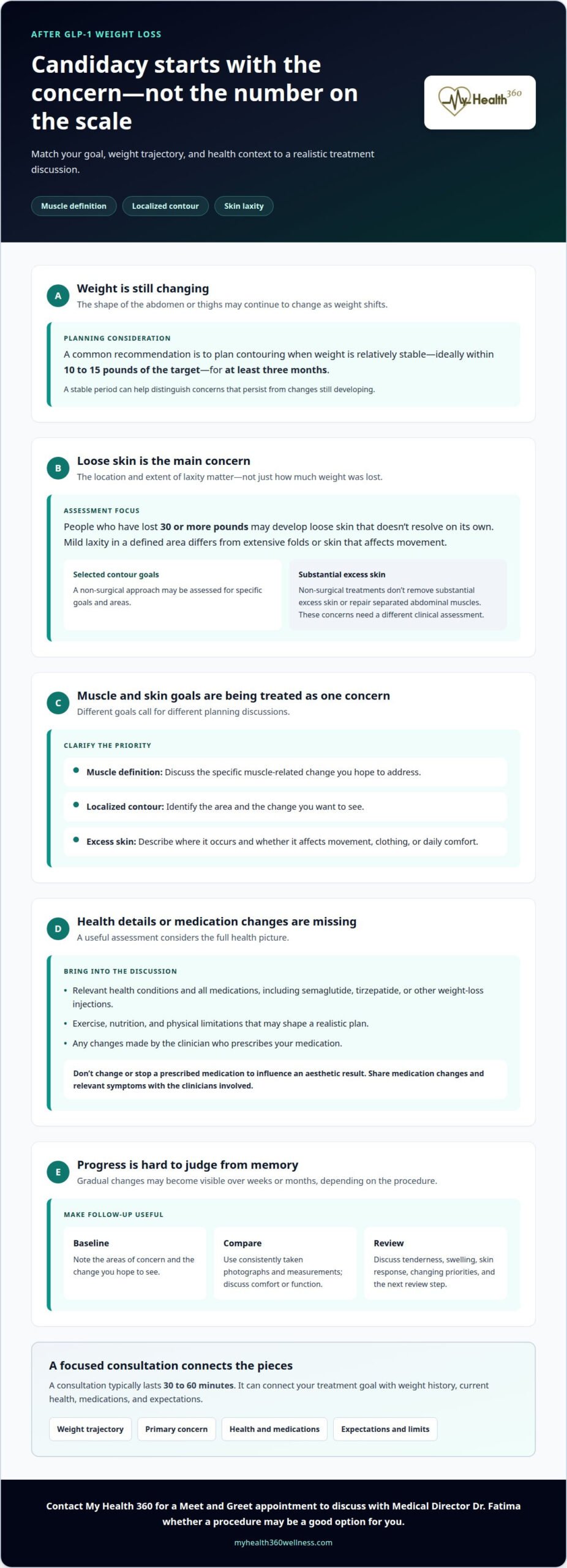
Good candidacy starts with the concern you want addressed, not the amount of weight you have lost. Some patients notice skin laxity after weight loss, while others want to improve muscle definition or address a localized contour. These are different goals. An assessment should identify the area, the change you want, relevant health considerations, and whether a non-surgical approach suits the concern.
Weight stability is a practical planning factor. A common recommendation is to plan contouring when weight is relatively stable, ideally within 10 to 15 pounds of the target, for at least three months. Continuing weight loss can change the shape of the abdomen or thighs after treatment planning. A stable period helps distinguish concerns that persist from changes still developing as weight shifts.
Skin laxity also deserves a specific assessment. Patients who have lost 30 or more pounds may develop loose skin that doesn’t resolve on its own. The location and extent matter: mild laxity in a defined area differs from extensive folds or skin that affects movement. Non-surgical treatments may support selected contouring goals, but they don’t remove substantial excess skin or repair separated abdominal muscles. Those concerns call for discussion of other approaches, including surgery.
Consider muscle goals separately from skin goals. A plan for improving muscle definition may differ from one for loose skin. Exercise and nutrition also shape the broader plan, particularly during ongoing weight management. An assessment can clarify whether your priority is muscle, skin, or both, rather than treating every post-weight-loss concern as the same issue.
Before planning treatment, review these candidacy factors with your clinician:
- Weight trajectory: Is weight still changing, or has it remained relatively stable for at least three months?
- Primary concern: Is the goal muscle definition, a localized contour, or excess skin?
- Health and medications: Share relevant conditions and all medications, including semaglutide, tirzepatide, or other weight-loss injections.
- Daily routine: Discuss exercise, nutrition, and any physical limitations that affect a realistic treatment plan.
- Expectations: Identify the specific change sought and understand what a non-surgical treatment can address.
For example, if your weight is still changing, it may make sense to plan around the evolving contour rather than a single snapshot. Someone with stable weight and a specific muscle-definition goal may be assessed differently. These distinctions help align the plan with your health, anatomy, and priorities instead of treating the number on the scale as the only measure of candidacy.
Post-GLP-1 body contouring consultation
Consider a consultation once your weight has stabilized and your remaining concern is clear. Timing depends on whether your main goal is addressing loose skin, localized fullness, or muscle definition.
A consultation typically lasts 30 to 60 minutes. It should connect your treatment goal with your weight history, current medications, eating patterns, and relevant side effects. Bring a list of medications, including GLP-1 drugs, and note any recent changes. If surgery is being considered, tell the surgeon and anesthesia team about GLP-1 use because these medications can slow gastric emptying.
Preparation and Treatment Sessions
To prepare, describe the areas you want assessed and the change you hope to see. Share your weight-loss timeline, current medication plan, prior procedures, and any side effects affecting eating or daily comfort. These details help your clinician discuss suitable options and their limits, rather than focusing only on photographs or the number on the scale.
The number and timing of sessions depend on the treatment. Radiofrequency microneedling is typically planned as three to four treatments, spaced four to six weeks apart. This schedule applies to that approach, not to every non-surgical procedure. Ask how the proposed plan addresses your concern, when follow-up takes place, and what aftercare is needed.
Be specific about loose skin. A treatment intended to improve skin appearance may not tighten substantial excess skin or address separated abdominal muscles. Liposuction is a contouring procedure, not a weight-loss treatment. Clarify which concern each proposed option addresses and how progress will be assessed after treatment.
Provider Credentials and Device Safety
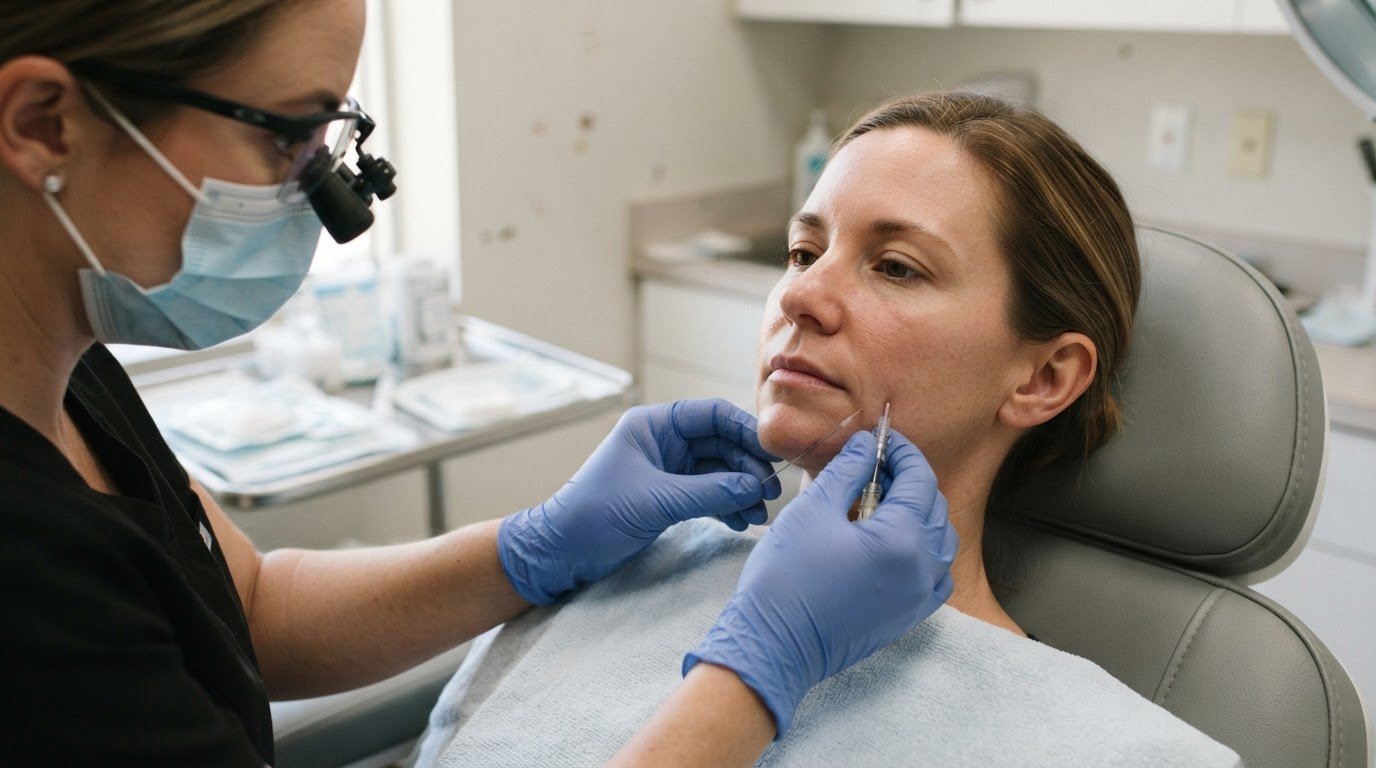
In Buffalo, ask who will assess you and perform each procedure. Request the clinician’s professional credentials and verify them through New York’s official licensing records. Ask about training with the specific device and experience treating the area you want addressed. A clear explanation should identify the provider’s role, the treatment’s intended purpose, and its relevant limits.
Discuss device safety directly. Ask for the device name, the area it will treat, and how its instructions shape the treatment plan. The clinician should explain preparation, expected skin response, possible side effects, and aftercare in language you understand. You should also know whom to contact if a concern develops after treatment.
Discuss medication changes with the clinician who prescribed them, rather than adjusting GLP-1 treatment for an aesthetic procedure. ISAPS guidance reports that people who stopped semaglutide regained about two-thirds of the weight they had lost within a year. That finding reinforces why medication decisions belong in a coordinated health plan, not an unsupervised change made around a procedure.
Insurance coverage
Insurance coverage for body contouring depends on the specific plan and procedure. A history of GLP-1 medication use doesn’t, by itself, establish whether a treatment is covered. The first step is identifying the proposed service and its purpose: aesthetic contouring, treatment of a functional concern, or surgery. Each may be reviewed differently under an individual policy.
For a non-surgical aesthetic treatment, review the plan’s exclusions and coverage criteria before scheduling. Policy documents explain how the insurer classifies services and what supporting information it requires. If the wording is unclear, ask the insurer about the specific procedure by name. Keep a record of the response and any reference number for your coverage discussion.
Body contouring after weight loss can involve different concerns. One patient may want to address loose skin, while another may be seeking help with a functional problem. A breast lift, for example, is a surgical procedure, unlike a non-surgical aesthetic treatment. Don’t assume coverage for one service applies to another, even when both relate to changes after weight loss.
Before contacting your insurer, organize the details describing the proposed care:
- Procedure: Write down the exact treatment name and whether it is non-surgical or surgical.
- Purpose: Describe the concern, such as an aesthetic goal or a specific functional difficulty.
- Plan terms: Locate the relevant coverage, exclusion, and documentation language in your policy.
- Medical records: Ask the treating clinician which records or clinical notes are available to support the proposed service.
- Written response: Keep the insurer’s answer, including any conditions or next steps it provides.
Nutrition and weight-management care are separate from aesthetic contouring. Coverage for medication, nutrition services, or a related medical visit doesn’t automatically include a contouring procedure. Similarly, an insurer’s review of surgery doesn’t determine coverage for a non-surgical treatment. Ask about each service separately, using its exact name.
If your insurer denies coverage, read the explanation before deciding what to do next. It may identify an exclusion, missing documentation, or a criterion the request didn’t address. Discuss the stated reason with your clinician and ask whether additional records or clarification are appropriate. Don’t assume an appeal will change the decision; follow the process and deadlines in your plan.
Keep the financial conversation separate from clinical suitability. First establish what the treatment is intended to achieve and whether it matches your concern. Then confirm how your plan handles that specific service, including any patient responsibility described in its terms. This two-step approach helps prevent assumptions based on GLP-1 use, a prior authorization for another service, or a different procedure’s coverage.
Which Buffalo clinics offer body contouring treatments for patients taking GLP-1 medications?
In Buffalo, look for a clinic that considers GLP-1 medication use as part of its body-contouring assessment. Non-surgical body contouring treatments in Buffalo, NY for patients taking GLP-1 medications should be discussed in relation to a specific goal, such as muscle definition, localized fullness, or skin appearance. These concerns differ, so the initial assessment should clarify what you want to address before considering an approach.
A useful consultation reviews health history, current medications, and changes in weight, rather than focusing only on the treatment area. Tell the clinician whether you take semaglutide, tirzepatide, or another weight-loss medication. Mention recent medication changes and relevant side effects. This context helps make the discussion specific to your current care instead of assuming that everyone using a GLP-1 medication has the same needs.
Ask how the clinic connects a proposed treatment to your concern. A goal of improving muscle definition, for example, differs from addressing substantial excess skin. Non-surgical body contouring doesn’t remove substantial loose skin or repair separated abdominal muscles. A careful discussion should explain the treatment’s purpose and limits so you can understand whether it suits your goal or another type of assessment is more appropriate.
When considering Buffalo clinics for non-surgical body contouring after GLP-1 treatment, consider whether the consultation addresses these points:
- Clinical context: Does the assessment include weight changes, health history, medications, and the treatment area?
- Specific purpose: Can the clinician explain how the proposed approach relates to your stated goal?
- Scope and limits: Does the discussion distinguish contouring from weight loss or surgical skin removal?
- Medication awareness: Is your GLP-1 treatment considered in the overall care discussion?
- Follow-up: Are aftercare and progress reviews discussed before treatment?
Clarify follow-up as well. Changes may take weeks or months to become visible, depending on the procedure. Ask how the clinic reviews progress and responds to concerns after treatment. Find out whether follow-up considers your original goal and treated area, rather than relying only on a general description of expected changes.
Insurance can also vary by treatment. Aesthetic contouring and medically necessary care may be handled differently under an individual plan. Ask the insurer about the exact treatment name and purpose, then review the policy’s terms. Coverage for GLP-1 medication or another service doesn’t automatically establish coverage for body contouring.
A useful clinic discussion connects your medication history, anatomy, and treatment goals in a clear plan. If loose skin is your primary concern, ask how the assessment distinguishes a contouring goal from one that needs another evaluation. If muscle definition is your priority, say so clearly. These details keep the discussion focused on your needs.
My Health 360
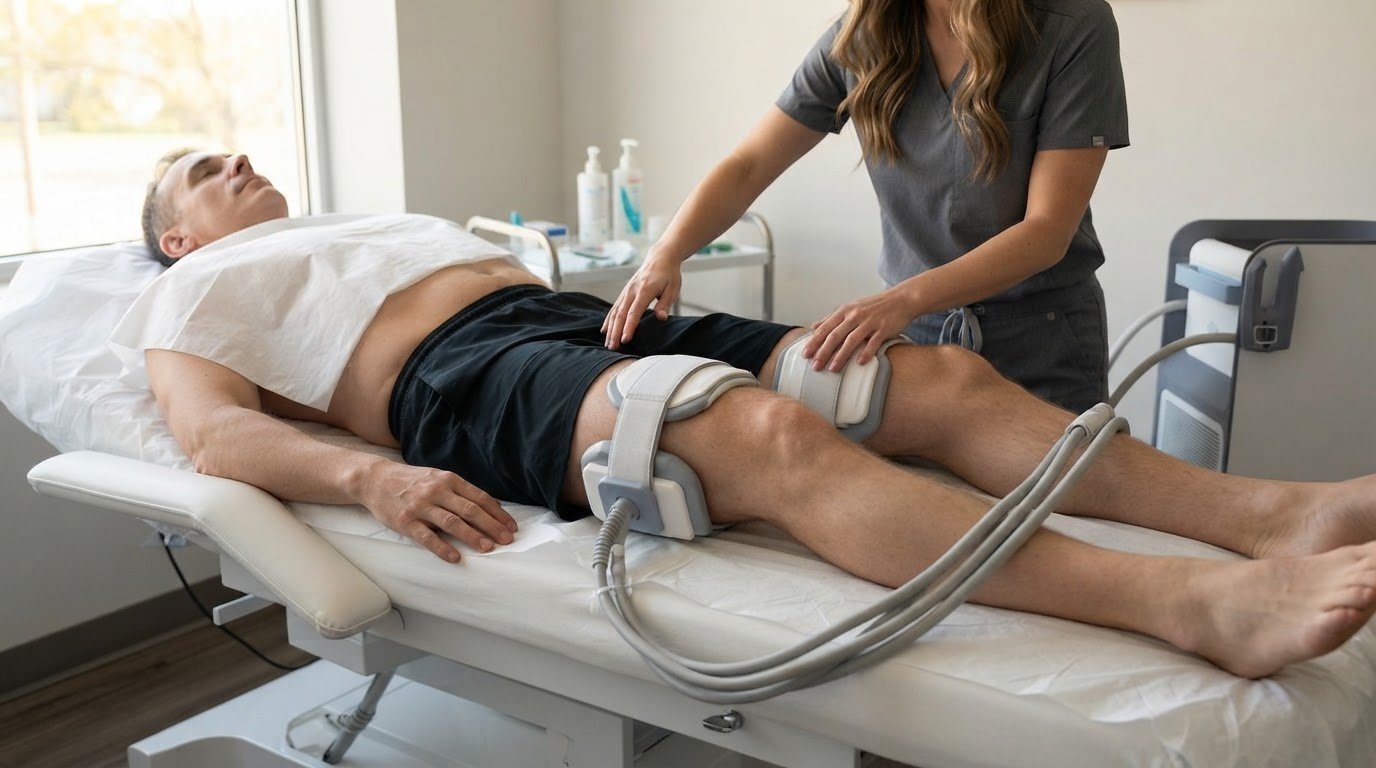
My Health 360 can help connect your post-GLP-1 goals with a physician-led discussion of appropriate care. If your priority is muscle definition, Emsculpt Neo may be relevant; broader recovery or preparation goals may call for a different conversation. The right next step depends on your treatment goals, health background, and current medications.
At a Meet and Greet appointment, you can discuss your concerns and ask whether a procedure is a good option for you. The discussion can also clarify how your GLP-1 treatment relates to your planning and follow-up needs.
Contact My Health 360 to arrange a Meet and Greet and discuss your options with Medical Director Dr. Fatima.
Choose a thoughtful next step
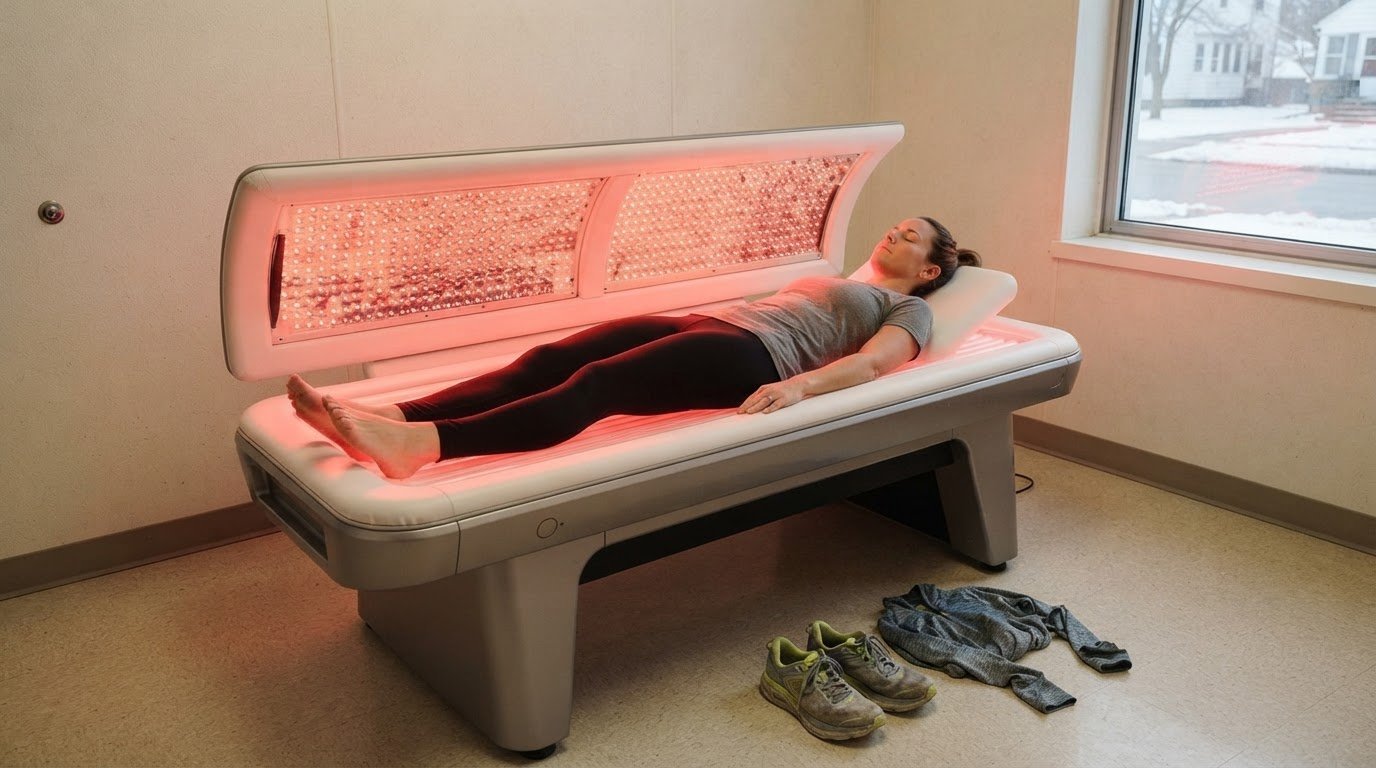
Your next step can begin with a clear conversation about what you want to address and how that goal fits your health priorities after GLP-1 weight loss. For non-surgical body contouring in Buffalo, NY, the right discussion is specific to your goals, rather than a one-size-fits-all plan. My Health 360 offers Emsculpt Neo, while BioPrime provides pre-operative or pre-event whole-body habilitation and Bio-Restore supports post-operative or injury whole-body habilitation. These options serve different purposes, so discussing your needs helps identify which direction is relevant.
A Meet and Greet gives you the opportunity to discuss your goals and medication history with Medical Director Dr. Fatima, and whether a procedure may suit you. You can also ask about follow-up and how treatment may fit into your broader wellness plan.
Contact My Health 360 to arrange a Meet and Greet and take a considered step toward a plan that reflects your priorities.
Frequently Asked Questions
What is Body Contouring Post GLP-1 Weight Loss?
Body contouring after GLP-1 weight loss means addressing changes in body shape that remain after weight loss. Goals may include improving muscle definition or treating a localized contour concern. Non-surgical approaches differ from surgery, which may be considered for concerns such as substantial excess skin. The starting point is identifying the specific area and desired change, then matching the discussion to the treatment’s purpose and limitations.
Can Non-Surgical Treatments Be Combined with Surgery for Better Results?
Non-surgical treatments and surgery may be considered within an overall body-contouring plan, but they address different concerns. A surgical team determines whether procedures can be combined or should be staged, based on the treatment areas, health history, and recovery needs. For example, a goal involving muscle definition may differ from a concern about substantial excess skin. Discuss GLP-1 medication use with the clinicians involved in planning care.
How Long Does It Take to See Final Results After Body Contouring?
Final improvements may take several weeks to months to become visible, depending on the procedure. The treatment type and the body area affect the timeline, so an early appearance shouldn’t be treated as the final result. Follow-up can help assess progress against your original goal. For Morpheus8, most patients experience mild redness and swelling that typically resolves within a few days.
What non-surgical body contouring treatments are available in Buffalo, NY?
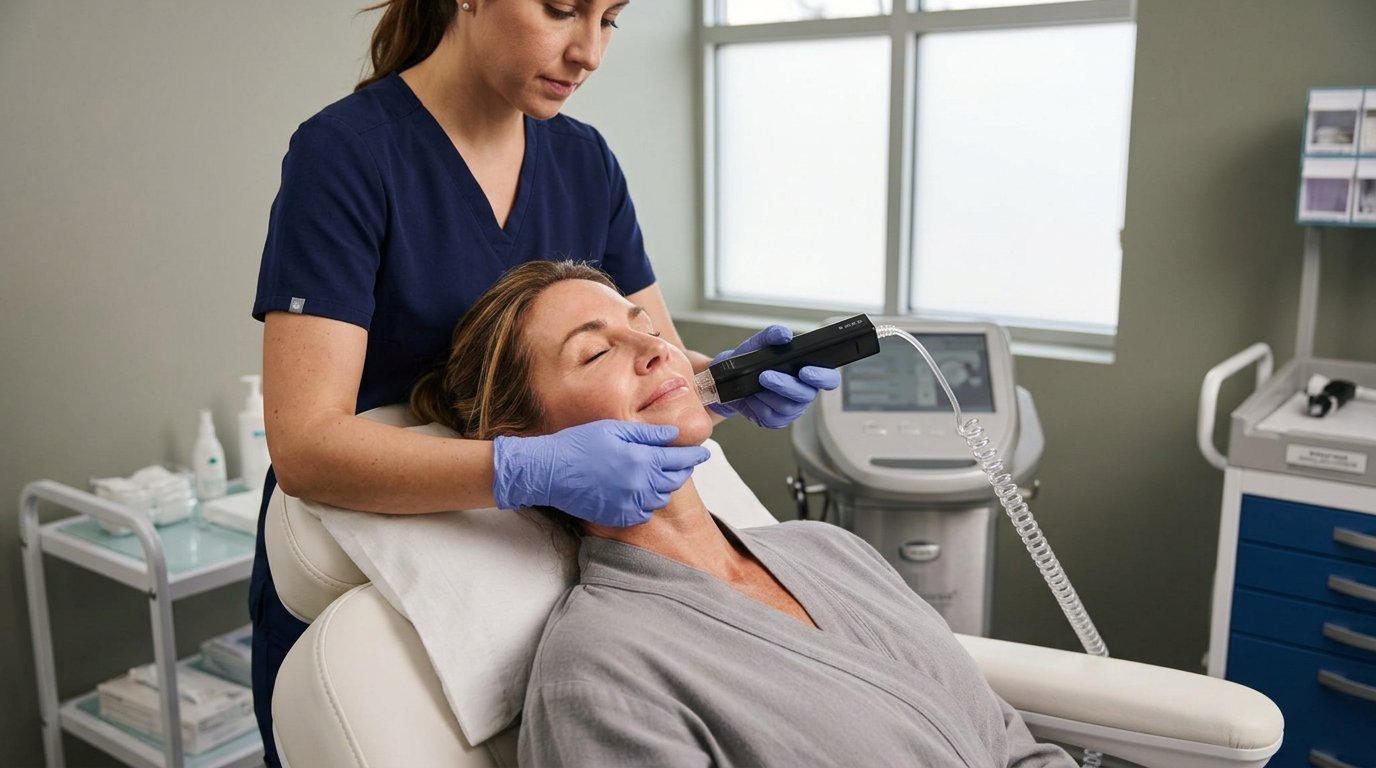
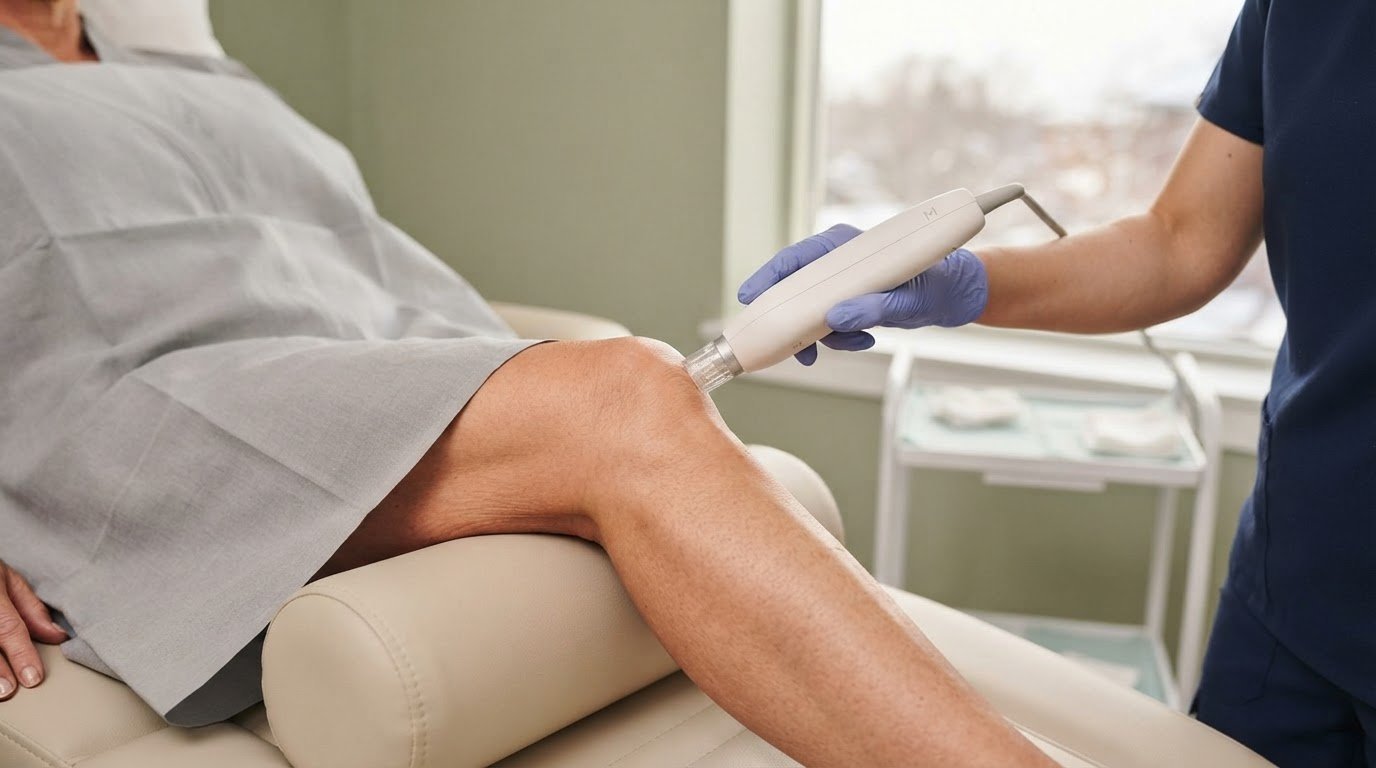
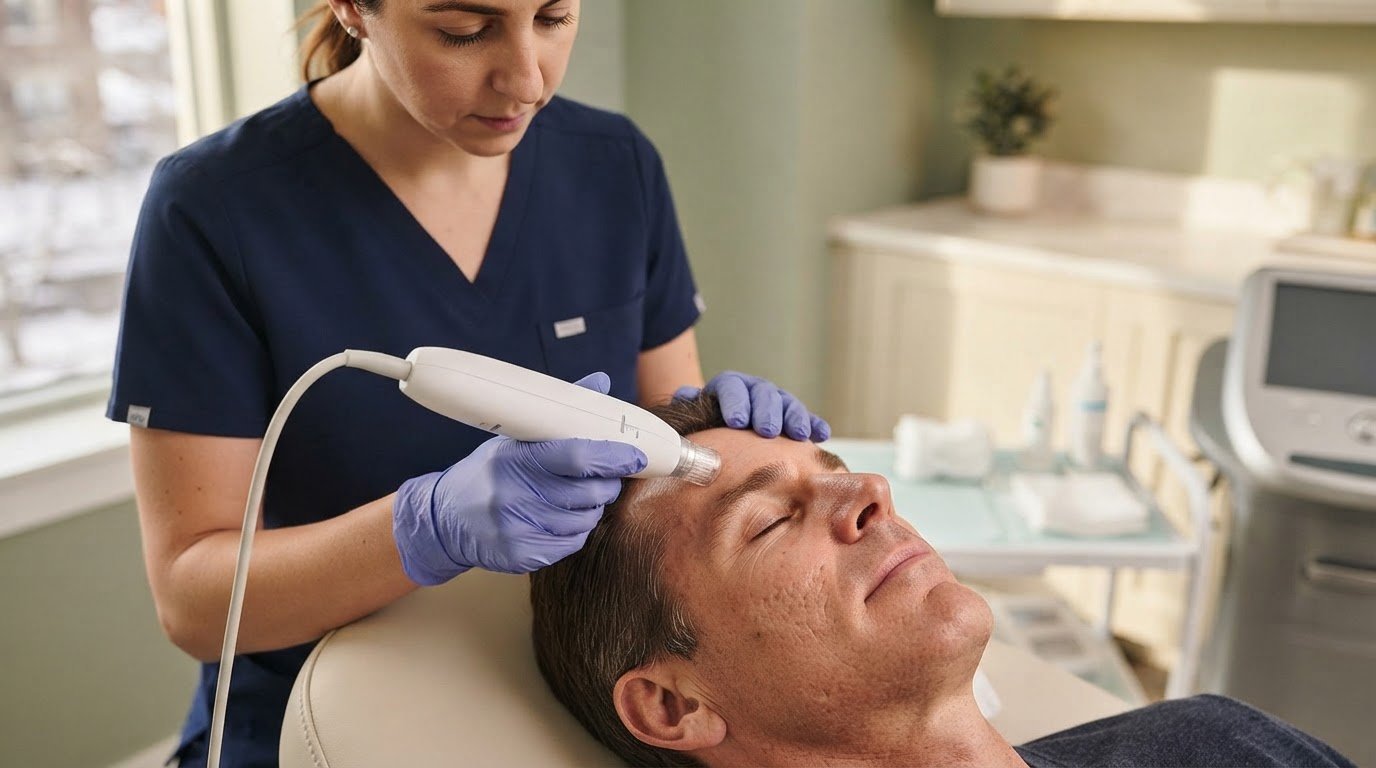
Available options at My Health 360 include Emsculpt Neo and Morpheus8. Emsculpt Neo heats and permanently destroys fat cells while simultaneously contracting muscles. Morpheus8 is a non-surgical, in-office treatment; most patients experience mild redness and swelling that typically resolves within a few days. The appropriate option depends on the concern being addressed, such as muscle definition or skin laxity, and a clinical assessment.
Can body contouring help with loose skin after GLP-1 weight loss?
Some non-surgical treatments may address selected skin-appearance goals, but body contouring doesn’t remove substantial loose skin or repair separated abdominal muscles. These concerns may call for a discussion of surgical options. A useful assessment distinguishes mild laxity in a localized area from more extensive folds and explains what a proposed treatment can realistically target. Discuss any effects on clothing, comfort, or movement during your clinical consultation.
What are the risks and side effects of non-surgical body contouring?
Side effects depend on the specific treatment and area. With Morpheus8, most patients experience mild redness and swelling that typically resolves within a few days. Before proceeding, ask the clinician to explain the treatment’s expected skin response, aftercare, and possible risks for your circumstances. Share your medical history and medications, including GLP-1 treatment, so the discussion reflects your current care rather than a generic treatment description.
Who is eligible for non-surgical body contouring, and what BMI or weight-stability rules apply?
Candidacy depends on health, treatment area, weight trend, and the goal being considered. A common planning recommendation is relatively stable weight, ideally within 10 to 15 pounds of the target, for at least three months. This helps account for continuing body changes. BMI alone doesn’t describe skin laxity, muscle definition, or the treatment goal, so the assessment should consider these factors alongside your medical history and medications.
Does insurance cover body contouring after GLP-1 weight loss, and are financing options available in Buffalo?
Insurance coverage depends on the plan and the specific treatment; GLP-1 coverage doesn’t automatically extend to body contouring. Review your policy’s exclusions and criteria, and ask the insurer about the exact procedure and documentation it requires. Financing is separate from insurance, and terms vary by provider. Before committing, review any available financing terms in writing and distinguish them from your insurer’s coverage decision.