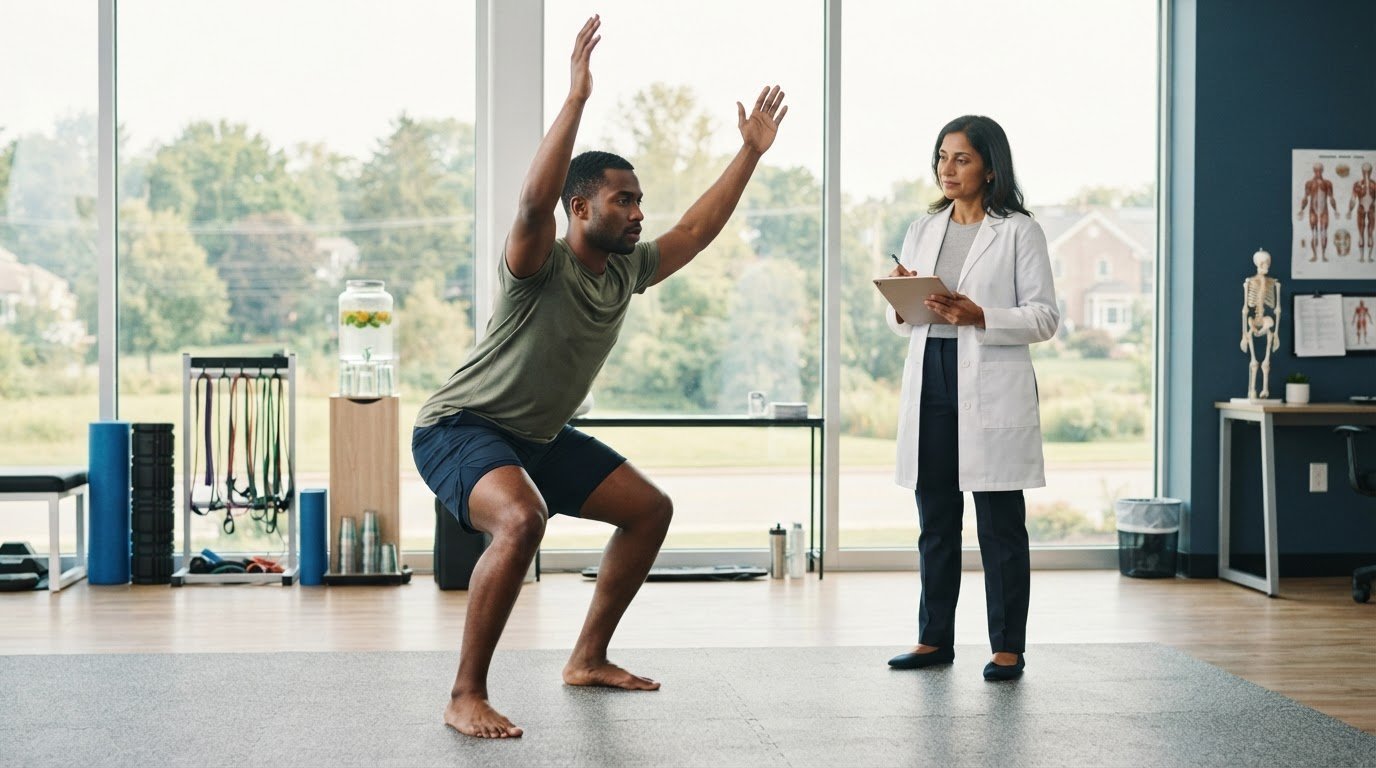
Preparing for a peak athletic event takes more than adding workouts. It also means considering how your health, training, and recovery fit together. Habilitation for peak athletic events offers a whole-body perspective on preparation, with sport-specific training remaining at the center.
If you’re balancing a demanding plan with recovery, or wondering whether a current or past limitation could affect your event, a thoughtful medical discussion can help you organize your questions. My Health 360’s BioPrime program provides pre-event whole-body habilitation through a physician-led approach that considers your individual health context. Medical Director Dr. Umbrine Fatima is a board-certified internal medicine specialist with more than 20 years of clinical experience.
This article explains how whole-body habilitation can fit alongside your existing preparation, which personal factors to discuss with a physician, and how to consider a measured next step before the event. The aim is not to replace your training plan, but to help you think about preparation with greater clarity.
Key Takeaways
- Habilitation for peak athletic events takes a whole-body view of preparation, distinct from rehabilitation after an injury.
- A medical discussion may complement your sport-specific training, but it does not replace your training plan or coaching.
- Clarify whether your focus is general training support, injury rehabilitation, or preparation for a particular event.
- Prepare for a physician discussion by outlining your event, goals, health history, and any current or past limitations.
- My Health 360 offers BioPrime pre-event habilitation in Buffalo and Western New York. Contact the center for a Meet and Greet to discuss with Medical Director Dr. Fatima whether a procedure is a good option for you.
What Habilitation for Peak Athletic Events Means
A major event can prompt practical questions: Are you ready for its demands? Is recovery keeping pace with training? Could a past or current limitation affect your preparation? These are individual considerations, not signs that every athlete needs a medical program. They can help clarify what kind of support, if any, may be relevant before competition.
Pre-event habilitation is a physician-led, whole-body approach to considering an athlete’s health and preparation in the context of an upcoming event. It complements sport-specific training rather than replacing it, and it does not promise a particular performance outcome. In practice, Habilitation for peak athletic events means discussing how personal health considerations relate to an athlete’s existing preparation, rather than focusing only on a single workout or body area.
How pre-event habilitation differs from rehabilitation
Rehabilitation generally focuses on recovering function after an injury or illness. Pre-event habilitation considers preparation before an event, including how an individual’s health context and training goals fit together. The distinction is the starting point: recovery from a known problem versus preparation for a planned challenge. If you have no injury or health concern, you may simply continue your established training. Medical assessment is not automatically necessary.
Sports medicine covers a broad range of topics related to athletic health, injury prevention, and performance. A general Sports Medicine Overview can help place pre-event preparation within that wider field. An individual medical discussion can then focus on circumstances that general information cannot address.
Why peak-event preparation is individual
A marathon, a strength competition, and a multi-day athletic event place different demands on the body. Even athletes preparing for the same event may have different training histories, recovery experiences, health considerations, and goals. Age may also be relevant context, but it cannot determine readiness or the right approach on its own.
Generic advice has limits because it may not account for your medical history, a past injury, a current symptom, or the way your training is progressing. These details do not automatically rule you in or out of an approach. They give a physician useful context for an individualized discussion. The goal is not to prescribe a universal routine, but to consider whether your health and event preparation call for additional support.
If you’re considering a medical procedure as part of event preparation, contact My Health 360 for a Meet and Greet appointment. Discuss with Medical Director Dr. Fatima whether a procedure is a good option for you.
How Whole-Body Habilitation Fits Alongside Athletic Training
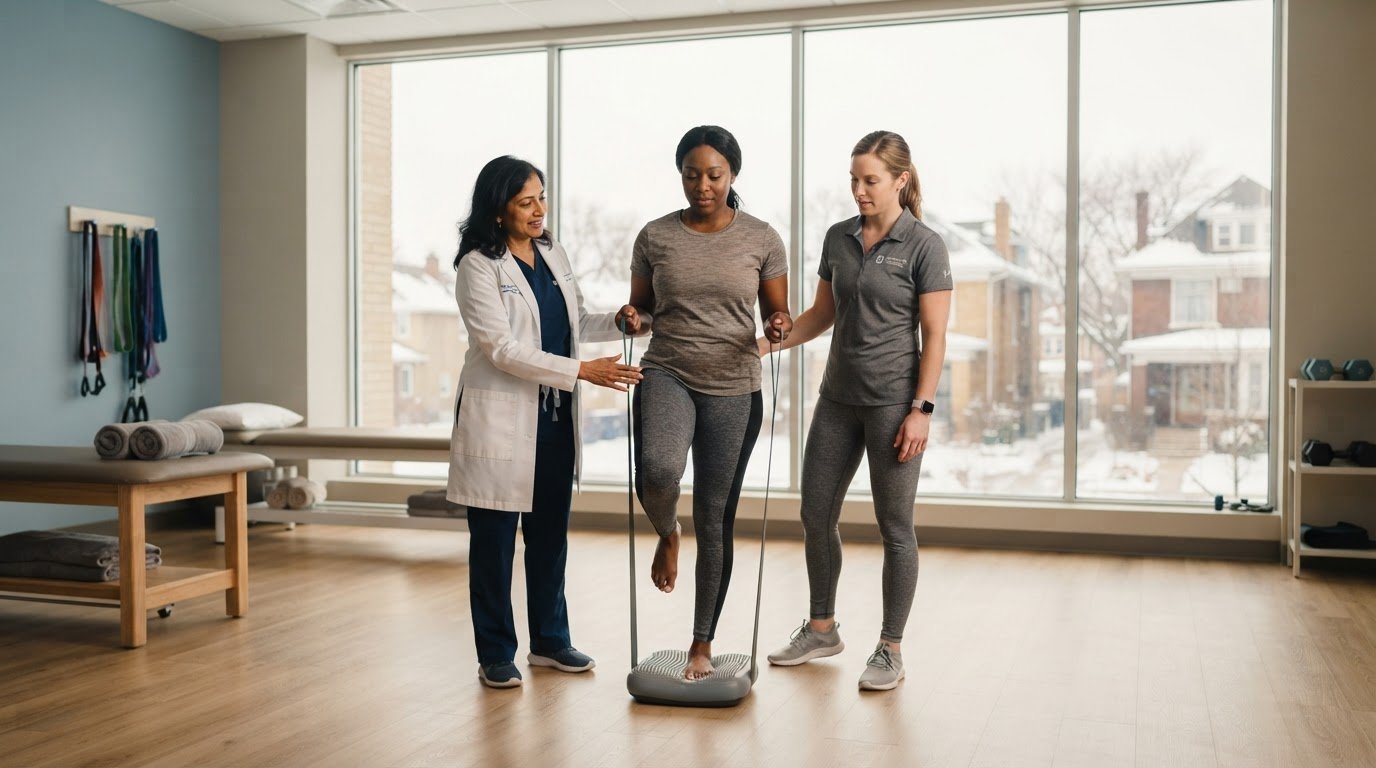
Your training plan is built around the demands of your sport. Whole-body habilitation adds another perspective by considering those demands alongside your health history, current concerns, and preparation goals. It does not replace coaching, conditioning, or sport-specific practice. Instead, it can provide a physician-led conversation about whether any health considerations deserve attention as you prepare.
No single preparation approach suits every athlete. General training habits and a medical assessment also serve different purposes. You may already be considering how training, rest, and day-to-day wellbeing fit together. A physician discussion is more individualized: it can take your health information and event goals into account to help clarify whether a program or procedure may be appropriate. That does not mean every athlete needs medical support.
Connect training goals with personal health context
Start with the event. Describe what you’re preparing for, what you hope to accomplish, and how your training is structured. Then share relevant health context, such as a previous injury, a current limitation, a symptom that concerns you, or medical history you think may affect preparation. You do not need to decide in advance which details matter most. Sharing them helps the physician understand the bigger picture.
This information makes the discussion more specific than a generic checklist. An athlete training for a long-distance event, for example, may have different questions from someone preparing for a strength competition. A physician can consider your goals and health information together, then discuss whether a next step is suitable. This is a discussion about fit, not a promise to change strength, endurance, recovery, or competition results.
Keep recovery in the preparation conversation
Recovery is part of athletic preparation, but it should not be reduced to a universal formula. You might discuss how you feel between sessions, whether a particular concern is affecting your preparation, or what has changed as the event approaches. These observations provide context, but they do not establish a diagnosis or determine treatment on their own.
Keep the conversation open-ended. Rather than arriving with a fixed intervention in mind, explain what you’ve noticed and ask how it relates to your overall health and event goals. A physician can discuss whether medical assessment or a program may be appropriate, while your sport-specific training remains guided by your existing plan and coaching relationships.
If you’d like to explore how this perspective could fit your preparation, contact My Health 360 for a Meet and Greet appointment. Discuss your goals with Medical Director Dr. Fatima and whether a procedure is a good option for you.
What to Consider Before Choosing Event-Focused Habilitation
Before deciding whether event-focused habilitation belongs in your preparation, clarify what kind of support you’re considering. General training guidance, care for an injury, and a pre-event medical discussion have different purposes. The comparison below can help you identify which conversation may be relevant without deciding in advance what care you need.
| Approach | Primary focus | When readers may consider it | Questions for a physician |
|---|---|---|---|
| General training support | Sport-specific preparation and training goals | When planning or refining an existing training approach | Are there health considerations I should include in my planning? |
| Injury rehabilitation | Recovery and function after an injury | When an injury or its effects are part of the concern | How should my health history and current limitations inform care? |
| Pre-event habilitation | Considering whole-body health in the context of an upcoming event | When you want to discuss how personal health and event goals relate | What can an individualized habilitation discussion establish, and what can’t it determine? |
This table is an educational aid, not a diagnosis or a decision about eligibility for a program or procedure. Habilitation for peak athletic events is not automatically necessary for every athlete. A physician can consider whether an individualized conversation is appropriate based on your circumstances.
Questions to bring to a physician discussion
To make the conversation useful, explain which event you’re preparing for and what you hope to achieve. Describe your current preparation, relevant health history, and any limitations or concerns. Include details that may seem small, such as a recurring issue or a change that affects how you train. These points give the physician context, but they do not determine what care is suitable on their own.
You might ask what a personalized habilitation discussion can clarify, what it cannot establish, and how a proposed next step would relate to your existing training. Keep the focus on understanding your options, rather than assuming that a specific intervention is needed or will change your event results.
Recognizing when general advice is not enough
General guidance can offer a starting point, but persistent concerns, a current limitation, or questions connected to your health history deserve individualized medical discussion. Do not rely on broad advice to diagnose a problem or determine whether a procedure is appropriate. A physician can assess the context and discuss a considered next step.
For any procedure, seek care with physician involvement and discuss your personal circumstances before deciding whether to proceed.
For a physician-led discussion about your event goals and health context, contact My Health 360 to arrange a Meet and Greet appointment with Medical Director Dr. Fatima. Discuss whether a procedure is a good option for you.
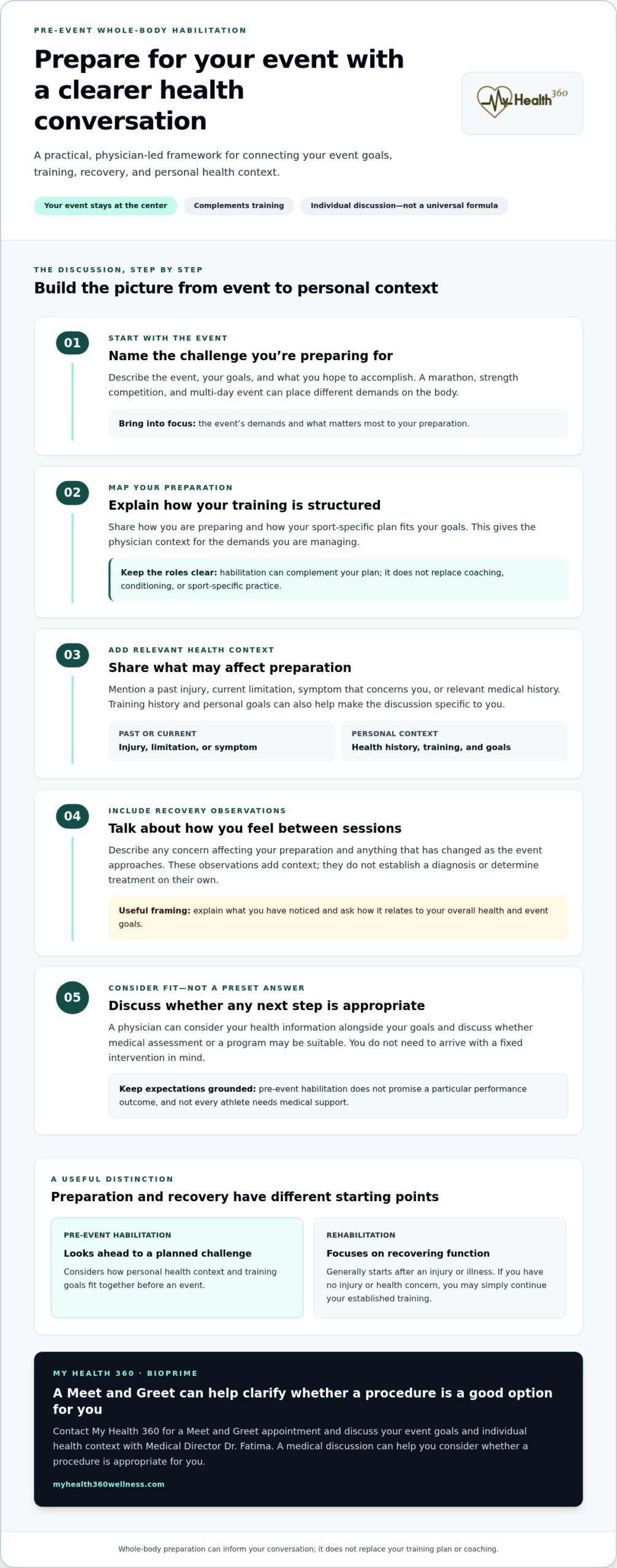
Preparing for a Peak Athletic Event: A Practical Discussion Framework
A focused conversation can turn broad questions about readiness into a clearer discussion of your goals and health context. You do not need to arrive with a diagnosis or a preferred treatment in mind. Use the steps below to organize what you want to ask, while leaving clinical decisions to the physician.
- Define the event. Describe the sport or event you’re preparing for and the demands you expect it to involve. A specific event gives the discussion useful context, whether your concern relates to training, a previous limitation, or how you feel as preparation progresses.
- Describe your goals and questions. Explain what you hope to accomplish and what you want the conversation to clarify. You might ask whether a health concern deserves assessment, how a past issue fits into your preparation, or what a physician can help determine about an event-focused habilitation approach.
- Share relevant health context. Tell the physician about pertinent health history, current limitations, symptoms, and any previous injury that may affect your preparation. Share this information in a private medical discussion, not in a public comment or forum. Ask for guidance if you’re unsure which details are relevant.
- Discuss possible next steps. Ask what an individualized discussion can establish, what it cannot determine, and whether further assessment or a program may be appropriate for you. A physician can consider the information you provide and explain options; a general framework cannot decide individual suitability.
Organize the conversation around what matters to you
Before your appointment, jot down the event, your main goals, and the health questions you most want answered. Note any current limitation or concern and how it relates to your preparation, without trying to interpret its cause yourself. This preparation can make the discussion more specific and keep the focus on your circumstances rather than a one-size-fits-all checklist.
Set realistic expectations
Habilitation for peak athletic events is a topic for individualized medical discussion, not a guarantee of readiness, injury prevention, improved performance, or faster recovery. A conversation can help clarify whether a program or procedure may be suitable and what questions remain. It cannot promise an event outcome. For a broader perspective, the related article Whole Body Habilitation: A Physician-Led Guide to Longevity and Performance explores whole-body habilitation beyond event preparation.
Keep physician involvement central when considering a procedure. Contact My Health 360 to arrange a Meet and Greet appointment and discuss with Medical Director Dr. Fatima whether a procedure is a good option for you.
Discuss BioPrime Pre-Event Habilitation at My Health 360
For athletes in Buffalo and Western New York, My Health 360 offers BioPrime, a pre-operative and pre-event whole-body habilitation program. In an athletic context, BioPrime provides a physician-led setting to discuss how personal health considerations relate to preparation for a specific event. It is not a substitute for sport-specific training, and it does not guarantee readiness, injury prevention, or a particular result. Its purpose is to support an individualized medical discussion about whether the program or a procedure is appropriate for you.
My Health 360 serves Buffalo and nearby Western New York communities, including Clarence, Orchard Park, Grand Island, Tonawanda, Elma, Amherst, and Williamsville. The discussion is led by Medical Director Dr. Umbrine Fatima, a board-certified internal medicine specialist with more than 20 years of clinical experience. Her medical perspective can help frame your questions around your health context and event goals. Each athlete brings a different history and set of concerns, so the discussion should reflect your circumstances rather than assume a universal need for intervention.
What to discuss with Dr. Fatima
Bring the event into focus first. Explain what you’re preparing for, what you hope to achieve, and what questions you want answered. Then share health details that may be relevant, including a current limitation, a past injury, or another concern that affects your preparation. You do not need to decide which program or procedure you want before the conversation begins.
Instead, ask whether BioPrime or a procedure is a good option for you, and what an individualized discussion can clarify. The physician can consider your goals alongside the health information you share and discuss appropriate next steps. That conversation is not a promise of a particular athletic outcome; it is an opportunity to make a considered decision with medical context.
Arrange a Meet and Greet in Western New York
A Meet and Greet appointment gives you an opportunity to speak with Dr. Fatima, share what you’re preparing for, and discuss your questions in a physician-led setting. Explain what matters to you, including any concern you’d like considered, and discuss whether a program or procedure may be suitable. The focus is a personal conversation, not a predetermined plan.
If you’re considering Habilitation for peak athletic events, take a measured next step: contact My Health 360 to arrange a Meet and Greet appointment and discuss with Medical Director Dr. Fatima whether a procedure is a good option for you.
Make Your Next Step a Thoughtful One
Preparing for a major event can bring both motivation and questions. You do not need to have every answer before seeking guidance. Start by identifying what you’d like a physician to consider, such as your event goals, relevant health context, or concerns about your preparation.
Habilitation for peak athletic events is best approached as an individualized discussion, not a promise of a particular result or a reason to set aside your existing training plan. A conversation can help you understand whether habilitation or a procedure may be appropriate for you.
Contact My Health 360 to arrange a Meet and Greet appointment and discuss with Medical Director Dr. Fatima whether habilitation is a good option for you. Bring your questions and goals to consider a measured next step with your health in view.
Frequently Asked Questions
What is habilitation for a peak athletic event?
Habilitation for peak athletic events is a physician-led way to consider whole-body health in relation to preparation for a particular competition or athletic challenge. For example, an athlete might discuss how a recurring concern or relevant medical history fits with event preparation. It is not a performance guarantee or a standard plan; its relevance depends on the individual and their goals.
How is habilitation different from rehabilitation?
Habilitation considers health and preparation before an event, while rehabilitation generally addresses recovery after injury or illness. The distinction can help you frame your questions: are you seeking support as you prepare, or care related to a problem that has already affected function? If both apply, describe each concern to the physician so the discussion can account for your full context.
Can whole-body habilitation replace my athletic training plan?
No. Whole-body habilitation is not a substitute for your sport-specific training plan, coaching, or practice. Think of it as a separate medical perspective that may help you discuss how your health context relates to preparation. You can ask how a current health concern should be considered alongside your existing plan without assuming habilitation will change your training or event result.
Is physician-led habilitation appropriate for every athlete?
No single program or procedure is right for every athlete, and not everyone needs medical habilitation. Whether a discussion is useful depends on factors such as your event goals, health history, and any concern affecting preparation. A physician can discuss whether further evaluation or a program may be suitable for you. General information can help you form questions, but it cannot determine your individual medical suitability.
What should I discuss with a physician before a major athletic event?
Share what event you’re preparing for, what you hope to accomplish, and any health concerns that feel relevant. Mention current limitations, past injuries, and changes that have affected your preparation, along with the training approach you’re already following. Ask what a medical conversation can clarify, whether a program or procedure may be appropriate, and what questions remain for you to consider.
What is BioPrime pre-event habilitation?
BioPrime is My Health 360’s pre-operative and pre-event whole-body habilitation program. For an athlete, it can be a starting point for a physician-led discussion about personal health context and preparation for a specific event. The program does not promise a particular performance outcome. An individualized conversation can help you understand whether BioPrime or a procedure may be appropriate for your circumstances.
How can I arrange a Meet and Greet with Dr. Fatima in Buffalo?
Contact My Health 360 to arrange a Meet and Greet appointment and speak with Medical Director Dr. Fatima about your event, goals, and relevant health questions. My Health 360 serves Buffalo and Western New York, including Clarence, Orchard Park, Grand Island, Tonawanda, Elma, Amherst, and Williamsville. Discuss whether habilitation or a procedure may be a good option for you. Contact My Health 360 to arrange your appointment.