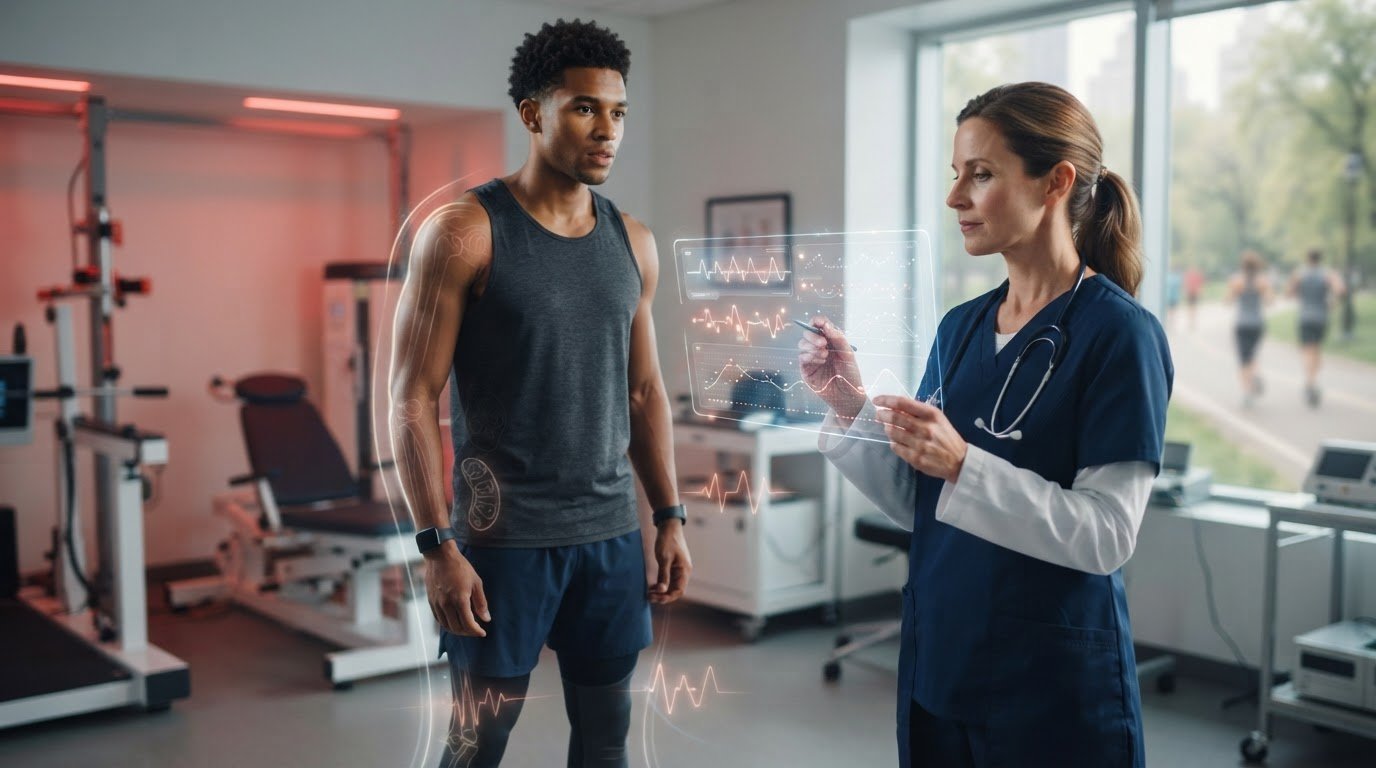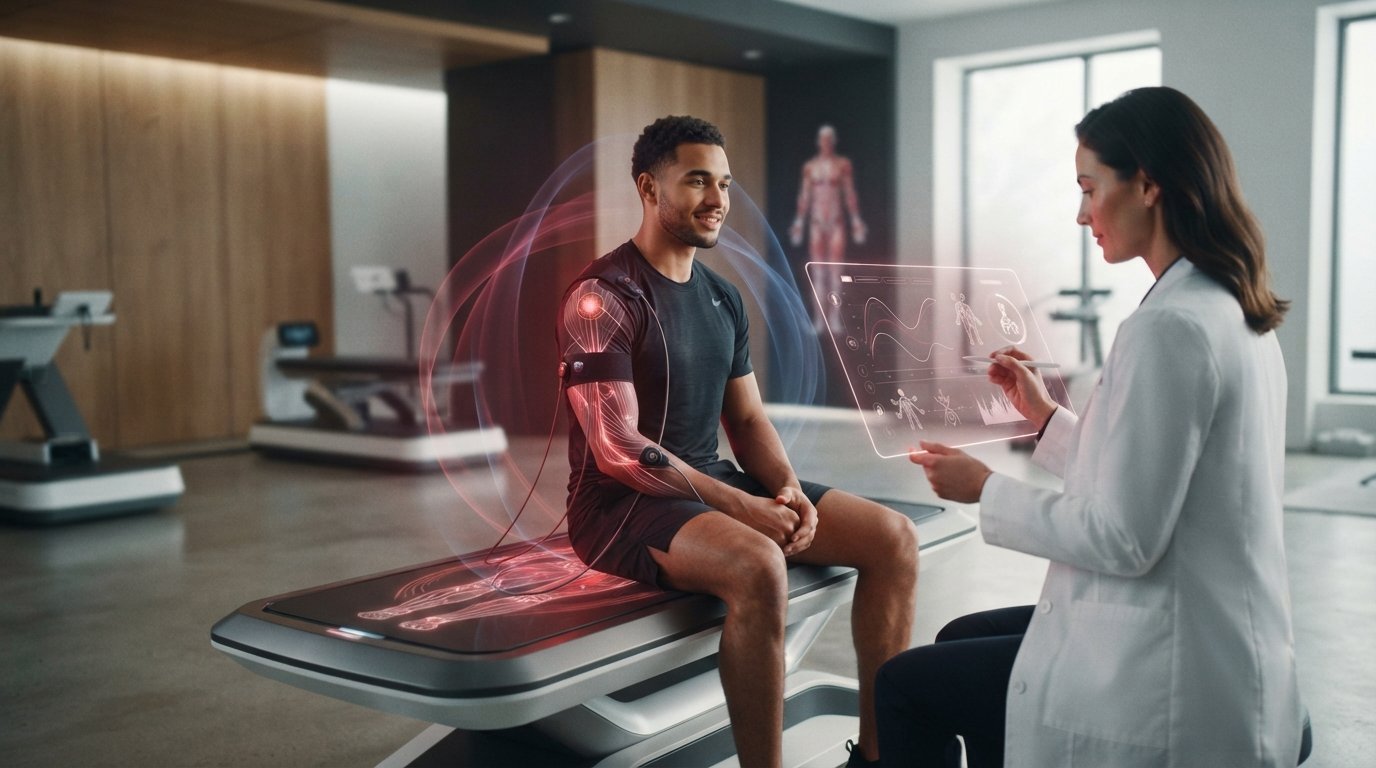

Conventional wisdom tells us that passive rest is the ultimate remedy for recovery, but cellular biology proves that waiting isn’t the most effective path forward. When you’re facing an acute injury or recovering from a procedure, prolonged downtime, persistent swelling, and the risk of fibrotic scarring can be deeply frustrating. Clinically directed accelerated healing therapies challenge this passive mindset by actively stimulating targeted cellular repair mechanisms to restore tissue vitality faster and with greater structural integrity.
It’s completely natural to feel skeptical amidst a marketplace crowded with unverified recovery gimmicks, especially when your functional mobility and aesthetic outcomes hang in the balance. In this physician guide, you’ll discover clinically proven accelerated healing therapies designed to reduce downtime, repair damaged tissue, and optimize whole-body cellular recovery under rigorous medical oversight. We’ll examine the precise biological pathways behind modern bio-stimulation, evaluate advanced restorative modalities, and outline how to establish a personalized protocol to safely expedite your healing timeline.
Key Takeaways
- Discover how clinical accelerated healing therapies target mitochondrial ATP synthesis, activate fibroblasts, and enhance microcirculation to resolve tissue trauma at the cellular level.
- Learn why combining complementary modalities like targeted photobiomodulation and cellular hydration produces a biological synergy that single treatments cannot match.
- Understand the biphasic dose response curve and why physician-calibrated energy delivery outperforms low-powered consumer recovery gadgets.
- Explore the continuum of whole-body habilitation, connecting pre-procedure vascular preparation directly with post-procedure restorative care to limit downtime.
- Gain a practical clinical evaluation framework to assess provider capabilities, diagnostic standards, and personalized protocols for your specific recovery goals.
Understanding Accelerated Healing Therapies: The Cellular Science of Rapid Recovery
How does the body actually mend damaged tissue, and can that trajectory be altered safely? In modern medicine, recovery is no longer viewed as an immutable waiting game. Accelerated healing therapies represent advanced medical modalities designed to stimulate endogenous repair pathways directly. Rather than leaving cellular regeneration to chance, targeted bio-stimulation enhances microcirculation, activates dormant fibroblasts, and powers adenosine triphosphate (ATP) production within the mitochondria. This proactive approach shifts clinical recovery from passive observation into targeted cellular restoration.
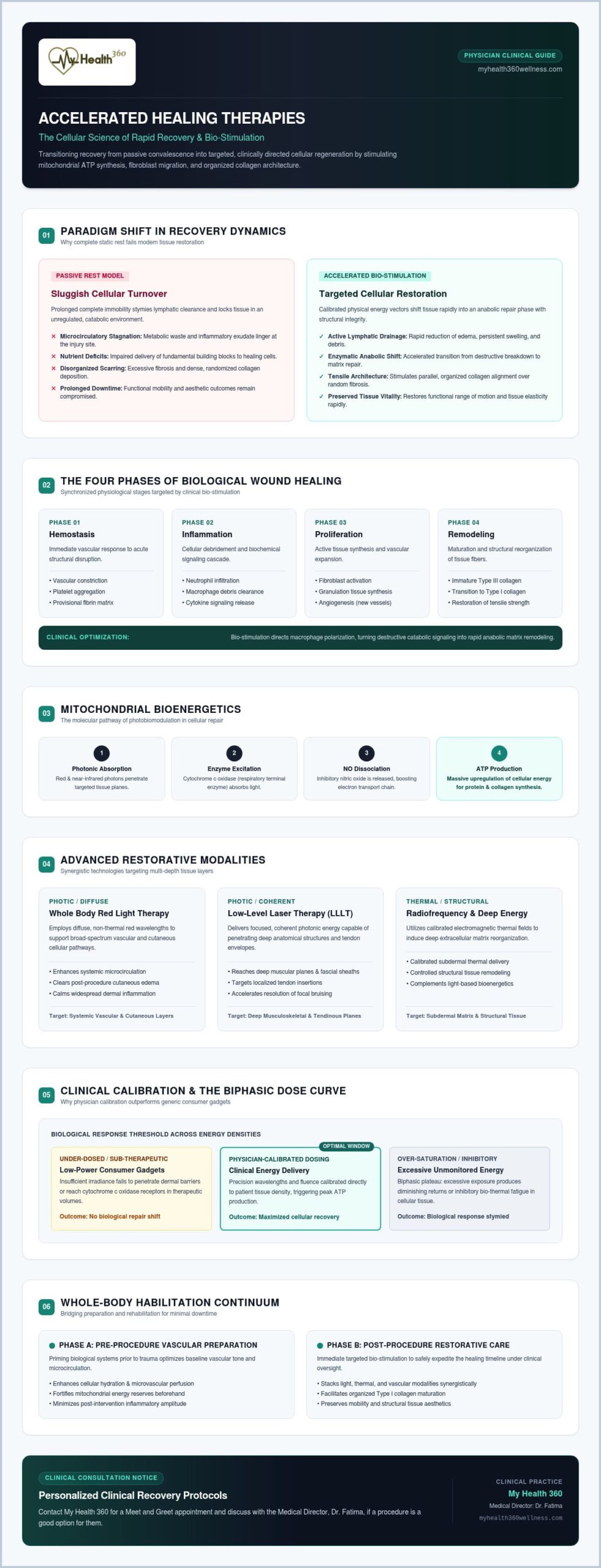
The Four Phases of Biological Wound Healing
Every structural repair occurs through the body’s natural healing process, which progresses through four synchronized stages:
- Hemostasis: Immediate vascular constriction and platelet aggregation form a provisional fibrin matrix.
- Inflammation: Neutrophils and macrophages infiltrate to clear cellular debris and release signaling cytokines.
- Proliferation: Fibroblasts synthesize granulation tissue while endothelial cells generate new vascular networks (angiogenesis).
- Remodeling: Immature type III collagen gradually transitions into tensile, organized type I collagen.
Without intervention, acute inflammation can easily slide into chronic cellular dysfunction. Medical-grade bio-stimulation optimizes macrophage polarization, transitioning tissue swiftly from a destructive catabolic state into an anabolic repair phase. This enzymatic shift relies on mitochondrial ATP synthesis, providing the foundational energy cells require to construct clean structural frameworks.
Why Passive Convalescence Fails Modern Recovery Demands
Complete immobility often compromises cellular health. Prolonged static rest stymies lymphatic drainage, allowing metabolic waste products and inflammatory fluid to linger at the injury site. This microcirculatory congestion slows nutrient delivery to recovering cells, frequently triggering excessive fibrosis and disorganized, dense scar tissue.
Physician-guided accelerated healing therapies counteract this sluggish cellular turnover. By applying targeted photic, vascular, or radiofrequency energy, clinicians stimulate organized collagen alignment rather than random fibrotic deposition. Tissues regain functional tensile strength with minimal downtime, preserving both functional mobility and tissue integrity.
Top Accelerated Healing Therapies Compared: Modalities, Mechanisms, and Benefits
Selecting the right recovery pathway requires looking beneath surface symptoms to evaluate tissue mechanics. Rather than relying on generic resting protocols, clinical practitioners combine distinct physical energies to achieve biological synergy. When carefully stacked, physician-directed accelerated healing therapies target multiple depths of tissue simultaneously, accelerating cellular turnover while preserving delicate extracellular architecture.
Photobiomodulation: Whole Body Red Light Therapy and Low-Level Laser
Photobiomodulation leverages precise wavelengths of light to alter cellular bioenergetics. Photons within the red and near-infrared spectrum are absorbed by cytochrome c oxidase, a terminal enzyme in the mitochondrial respiratory chain. This molecular interaction releases nitric oxide, increases electron transport, and elevates cellular energy output.
- Whole Body Red Light Therapy: Employs diffuse red wavelengths to support systemic circulation, clear post-procedure swelling, and calm widespread cutaneous inflammation.
- LLLT Low Level Laser: Delivers coherent, focused photonic energy into deeper anatomical planes, targeting tendon insertions, deep musculature, and localized bruising.
Electromagnetic and Radiofrequency Energy in Tissue Regeneration
Thermal and electrical vectors offer structural remodeling that light alone cannot induce. Medical radiofrequency delivers calibrated thermal energy into the subdermal layer, inducing controlled collagen contraction without disrupting epidermal integrity. You can review our detailed analysis of these deep tissue dynamics in the Morpheus8 treatment guide.
Parallel to thermal remodeling, high-intensity electromagnetic fields stimulate deep motor neurons. Modalities like Emsculpt Neo trigger supramaximal contractions, preserving neuromuscular tone and microvascular perfusion even during periods of restricted athletic training.
Targeted Micronutrient and Hydration Infusions
Structural tissue remodeling requires abundant metabolic building blocks. During intense wound repair, the body rapidly depletes baseline circulating pools of vitamin C, zinc, and collagen-precursor amino acids like proline and glycine. Oral supplementation frequently faces gastrointestinal rate limits and reduced bioavailability under systemic stress.
Direct IV Hydration circumvents digestive absorption barriers, saturating compromised microvascular beds with essential cofactors immediately. Supplying these micronutrients alongside light and electromagnetic stimulation ensures recovering cells possess the raw bio-substrates needed to build durable, organized matrices. To determine which restorative stack aligns with your personal recovery plan, you can schedule a clinical Meet and Greet with our Medical Director, Dr. Fatima, at My Health 360.
Clinical Safety and Efficacy: Why Physician Oversight Dictates Treatment Outcomes
Can advanced cellular stimulation backfire if misapplied? While non-invasive modalities promise rapid recuperation, their therapeutic efficacy relies on exact biophysical dosing. The biological response to accelerated healing therapies isn’t linear. Without qualified medical oversight to calculate depth, power density, and cellular tolerance, recovery treatments can easily become ineffective or even detrimental to fragile healing tissue.
The Biphasic Hormetic Window: Calibrating Therapeutic Energy Dosage
Photobiomodulation and radiofrequency abide strictly by the Arndt-Schulz law, which defines a biphasic dose response curve. Simply put, insufficient energy delivers no measurable cellular stimulus, while excessive energy stalls proliferation and causes phototoxicity.
- Sub-therapeutic dosing: Fails to activate cytochrome c oxidase or trigger growth factors.
- The optimal window: Delivers precise joules per centimeter squared (J/cm²), triggering rapid ATP synthesis and cellular proliferation.
- Over-saturation: Generates excess reactive oxygen species, exhausting damaged cellular pathways and delaying functional healing.
Every tissue plane possesses distinct optical density and vascular resistance. Calibrating energy demands an experienced physician who adjusts therapeutic fluence to match skin phototype, localized edema, and the underlying surgical repair depth.
Consumer Devices vs. Medical-Grade Recovery Technology
Direct-to-consumer LED face masks and compact panels frequently make bold healing claims, but their real-world capabilities fall short. Most commercial home devices emit weak, scattered irradiance. Because photon intensity drops dramatically across spatial depth, these underpowered panels barely penetrate past the stratum corneum, offering minimal benefit to deeply traumatized muscle, facia, or vascular beds.
Conversely, unsupervised commercial med-spas often utilize higher-output hardware without establishing physician-led safety protocols. Operating high-intensity systems without reviewing a patient’s prescription history, systemic autoimmune markers, or acute contraindications introduces significant risks, ranging from paradoxical thermal hyperpigmentation to contact burns.
True cellular acceleration demands Board-Certified Internal Medicine oversight. A physician-led intake screens for hidden vascular impairments, medication interactions, and compromised tissue zones. Medical leadership ensures every therapeutic frequency is calibrated to your unique anatomy, safeguarding fragile tissues while delivering genuine restorative outcomes.
Whole-Body Habilitation: Structuring Pre-Operative Preparation and Post-Operative Recovery
Most patients view recuperation as a process that starts only after an incision is closed or a trauma occurs. True clinical rehabilitation, however, operates on an unbroken continuum. Whole-body habilitation combines deliberate physiological pre-conditioning with structured post-operative interventions. By preparing cellular environments before physical trauma takes place, advanced clinical protocols protect tissue integrity and dramatically compress recovery timelines. This synchronized approach forms the backbone of modern concierge performance medicine, shifting post-op outcomes from passive survival to proactive cellular restoration.
Pre-Operative Habilitation: Building Cellular Resilience
Why wait for tissue damage before initiating metabolic support? Pre-conditioning the operative site with targeted bio-stimulation enhances local microvascular density, ensuring rich capillary perfusion before surgical instruments make contact. Elevating cellular energy reserves through structured protocols such as BioPrime primes mitochondrial enzymes, expands baseline cellular hydration, and builds endogenous antioxidant reserves to buffer operative oxidative stress.
Integrating pre-habilitation establishes a resilient cellular baseline. As detailed in our physician-guided longevity plan, patients entering procedures with optimized metabolic health encounter fewer intra-operative disruptions and clear anesthetic metabolites far more rapidly.
Post-Operative Phased Restoration: The Acute to Remodeling Protocol
A well-structured post-operative recovery roadmap coordinates multiple modalities across two targeted phases:
- Phase 1: Acute Vascular Decongestion (Days 1–7): Focuses immediately on gentle, whole body red light therapy and specialized cellular hydration to flush interstitial fluid, resolve lymphatic stagnation, and minimize deep tissue bruising.
- Phase 2: Matrix Synthesis and Remodeling (Weeks 2–6): Integrates targeted LLLT Low Level Laser alongside focused electromagnetic stimulation through Bio-Restore protocols to cross-link collagen, accelerate wound closure, and protect neuromuscular tone.
This phased progression mirrors the holistic principles outlined in our guide to integrative medicine for longevity, blending precision clinical technologies with the body’s natural restorative capacity. Applying accelerated healing therapies systematically throughout both stages helps patients bypass protracted post-surgical fatigue while preventing dense, restrictive scar formations.
If you’re preparing for an elective surgical procedure or recovering from an acute injury, establishing a personalized protocol is the most reliable way to minimize your downtime. Schedule a Meet and Greet appointment to discuss your recovery timeline with our Medical Director, Dr. Fatima, at My Health 360.
Selecting Your Healing Protocol: How to Evaluate Your Clinical Recovery Plan
How can you separate legitimate, evidence-based regenerative care from fashionable wellness trends? As patient interest in rapid rehabilitation surges, commercial facilities often bundle light panels and hydration drips into generic packages without proper clinical vetting. Selecting safe, effective accelerated healing therapies requires a discerning evaluation of a facility’s medical oversight, diagnostic depth, and technological capabilities.
Key Criteria for Assessing an Advanced Recovery Center
Before committing your time and tissue to a therapeutic regimen, insist on verifiable clinical standards:
- Direct Physician Leadership: Ensure the clinic is owned or directly led on-site by an experienced physician, such as a Board-Certified Internal Medicine specialist, rather than operating under distant, off-site mid-level supervision.
- Comprehensive Multimodal Technology: Look for centers integrating distinct, complementary mechanisms, pairing cellular photobiomodulation and neuromuscular electromagnetic stimulation with targeted intravenous nutrient delivery.
- Individualized Protocols: Avoid facilities promoting rigid, pre-packaged treatment blocks. Safe recovery demands customizable plans that adjust frequency, energy fluences, and delivery methods to your surgical or injury profile.
Your Personalized Recovery Pathway: The Clinical Consultation
A safe therapeutic plan begins with an in-depth intake, not an equipment demonstration. During a thorough clinical assessment, your physician evaluates systemic microvascular risk factors, current pharmaceutical regimens, and metabolic biomarkers. This comprehensive review reveals potential contraindications, such as photosensitizing medications or latent autoimmune tendencies, which directly influence energy dosing.
Baseline diagnostics also dictate therapeutic cadence. Patients managing chronic inflammation or compromised microcirculation require different photobiomodulation parameters and nutrient concentrations than an athlete recuperating from an acute soft tissue tear. Regular clinical check-ins allow the physician to monitor objective markers, tracking tissue compliance, swelling reduction, and scar remodeling to refine your protocol in real time.
Taking control of your recovery begins with dedicated clinical guidance. If you’re planning an upcoming procedure or navigating an acute injury, schedule a Meet and Greet with Medical Director Dr. Fatima at My Health 360 to discuss if advanced bio-restorative habilitation is the right option for your recovery goals.
Transform Your Healing Timeline Through Cellular Precision
Recovery is no longer a passive waiting period dictated by static physiological timelines. By targeting mitochondrial respiration, decongesting microcirculation, and conditioning tissues before physical trauma occurs, modern accelerated healing therapies actively elevate your body’s restorative capacity. Genuine tissue rehabilitation isn’t found in generic commercial gadgets, but in mathematically calibrated, multimodal protocols designed around your personal biology.
At My Health 360, a physician-owned longevity and recovery center led by Board Certified Internal Medicine specialist Dr. Umbrine Fatima, we utilize proprietary BioPrime pre-habilitation and Bio-Restore recovery frameworks to deliver targeted cellular support. You don’t have to accept extended downtime or settle for uncomfortable convalescence. We invite you to contact My Health 360 to schedule a Meet and Greet appointment with Medical Director Dr. Fatima and discuss if an advanced recovery procedure is a good option for your healing journey.
Frequently Asked Questions
How do accelerated healing therapies shorten recovery time after surgery or injury?
Accelerated healing therapies compress recovery timelines by directly bio-stimulating cellular repair mechanisms rather than relying on passive rest. Modalities like targeted photobiomodulation and therapeutic radiofrequency accelerate mitochondrial ATP production, enhance microcirculation, and resolve interstitial lymphatic stagnation. This surge in cellular energy expedites fibroblast proliferation and collagen synthesis, enabling damaged tissues to rebuild tensile strength faster and clear surgical edema in significantly less time.
Can advanced healing modalities reduce visible scar tissue formation?
Yes, advanced healing modalities actively prevent excessive, disorganized scar tissue formation. By mitigating prolonged acute inflammation and regulating cytokine release, therapies such as low-level laser and medical radiofrequency promote aligned type I collagen deposition instead of chaotic type III fibrotic clustering. Improving local capillary perfusion also prevents ischemic tissue distress, resulting in flatter, softer, and aesthetically superior wound closure.
How soon after a surgical or aesthetic procedure can accelerated recovery treatments begin?
Certain non-thermal modalities can begin as early as 24 to 48 hours post-procedure under strict medical direction. Whole body red light therapy and specialized IV hydration are often initiated during the acute phase to drain lymphatic fluid and clear surgical bruising without stressing delicate incisions. Deeper thermal or mechanical modalities are introduced sequentially as the primary incision achieves sufficient tensile closure.
What is the physiological difference between red light therapy and low-level laser therapy?
The primary difference lies in light coherence, wavelength dispersion, and penetration depth. Whole body red light therapy delivers non-coherent light across large surface areas, effectively treating cutaneous inflammation, superficial microcirculation, and systemic vitality. In contrast, low-level laser therapy (LLLT) emits coherent, concentrated monochromatic beams that penetrate deep into targeted structural planes, treating damaged ligaments, tendons, and deep muscular trauma.
Are consumer wellness devices as effective as clinical-grade healing modalities?
Consumer wellness gadgets lack the irradiance and power density required to achieve deep clinical tissue repair. Most handheld tools and wearable masks emit diffuse, low-output energy that scatters before penetrating past the epidermis. Clinical systems utilize calibrated medical-grade parameters that deliver precise joules per centimeter squared, ensuring photons and electromagnetic fields actually reach injured subdermal structures.
How does pre-operative conditioning or habilitation improve surgical recovery outcomes?
Pre-operative habilitation, such as our BioPrime protocol, prepares tissue beds before surgical stress occurs. By optimizing cellular hydration, boosting systemic antioxidant reserves, and expanding microvascular capillary density, pre-conditioning minimizes tissue ischemia during operative interventions. Patients entering surgery with primed cellular energy reserves experience less systemic inflammation, retain better muscle tone, and clear anesthetic compounds much faster.
Why is direct physician oversight necessary for non-invasive recovery therapies?
Healing technologies follow a biphasic dose curve where incorrect fluences can stall cellular repair or cause phototoxic tissue damage. Only seek treatment if performed by an experienced physician who evaluates prescription contraindications and individual tissue density. Avoid places where procedures are performed by mid-level providers under physician supervision. Contact My Health 360 to schedule a Meet and Greet appointment with Medical Director Dr. Fatima to discuss if an accelerated recovery protocol is a good option for you.